Termite treatment cost in Charlotte, NC runs $300 to $2,500+, depending on method, infestation size, home square footage, and follow-up bond fees.
Key Takeaways
- Charlotte homeowners pay $300–$2,500+ for termite treatment, depending on method and infestation severity.
- Subterranean termites are the dominant species in Charlotte, NC, and require soil-based treatment methods.
- Bait station systems like the Trelona Advanced Termite Bait System can hit a colony in 15–45 days.
- Foundation trenching with liquid termiticide creates a barrier lasting approximately five years.
- Annual inspections and early detection keep treatment costs lower and protect your home’s structural value.
What Termite Treatment Costs in Charlotte NC
Most Charlotte homeowners spend between $300 and $2,500 for professional termite treatment, with the final cost driven by treatment method and infestation size. Bait station installations fall at the lower end of that range. Liquid foundation trenching runs higher, particularly for larger homes with deeper infestations. Fumigation, which applies to severe drywood termite cases, typically exceeds $2,000 for a mid-size home.
These figures reflect treatment costs for a single-family home in Charlotte, NC, with no prior treatment history. Homes with significant structural damage, limited crawlspace access, or active infestations spanning multiple areas will push toward the upper end of the range. A professional inspection determines the accurate scope before any price is confirmed.
Termite Treatment Price Ranges in Charlotte NC
| Treatment Method | Typical Cost Range | Duration of Protection |
|---|---|---|
| Bait Station System (e.g., Trelona) | $300–$900 | 2–4 years per bait cartridge |
| Liquid Foundation Trenching | $800–$2,500 | ~5 years |
| Termite Pre-Treatment (new construction) | $400–$1,200 | Long-term barrier |
| Fumigation (drywood termites) | $2,000+ | One-time; ongoing monitoring recommended |
Why Subterranean Termites Drive Costs in Charlotte NC
Subterranean termites are the primary termite species in Charlotte and across North Carolina, and their biology makes them uniquely costly to control. They live underground, build mud tubes to access the wood in your home, and can enter through cracks as small as 1/32 of an inch in your foundation. Because they stay hidden behind walls and beneath floors, most infestations cause significant damage before a homeowner notices anything.
A 2022 review published in Insects documents that termites cause $40 billion in economic damage globally each year, with subterranean termites responsible for approximately 80% of that figure. In the Charlotte, NC region, that risk is year-round: the climate provides the moisture and warmth subterranean termites need to remain active across multiple seasons.
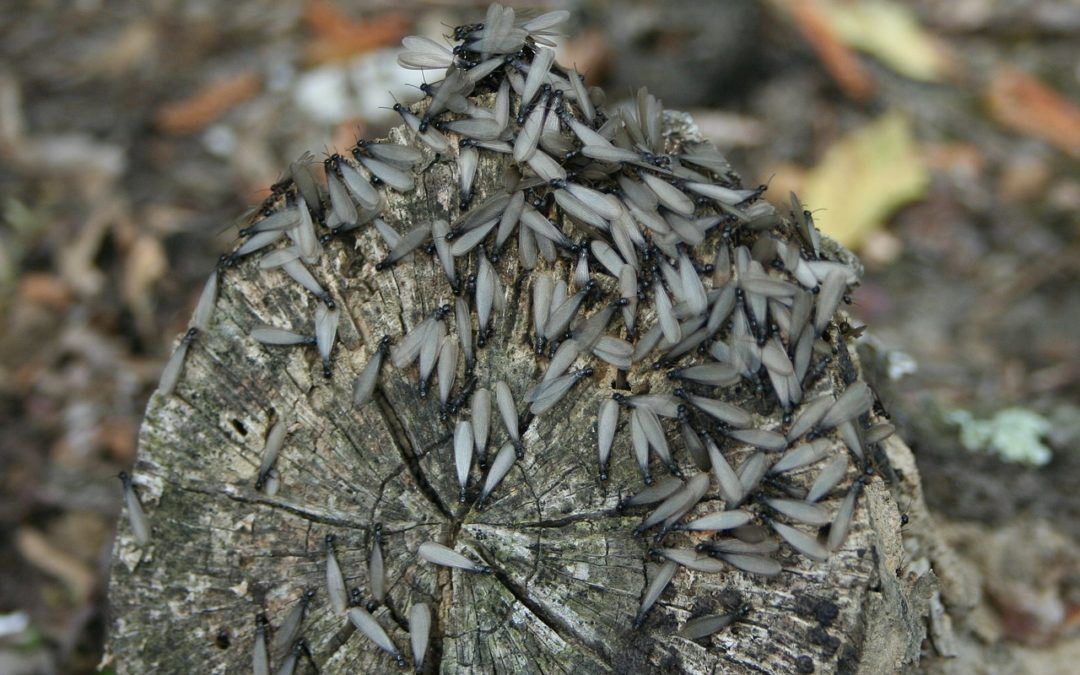
Early signs include mud tubes on foundation walls, damaged or hollow-sounding wood, blistering paint that resembles water damage, and discarded swarmer wings near windows or baseboards. A 2024 review in International Biodeterioration and Biodegradation confirms that visual inspection remains the most widely used and accessible detection method for homeowners. The earlier you identify activity, the lower your treatment cost.
How Subterranean Termites Spread Damage in Charlotte NC Homes
Subterranean termite colonies can contain hundreds of thousands of workers, all foraging simultaneously through soil and into wood. Worker termites consume wood 24 hours a day. They target structural beams, floor joists, wall studs, and subflooring. Because they feed from the inside out, the surface often looks intact while the interior is hollowed.
The colonies also share resources through direct contact and fluid transfer, which is why colony-targeting treatments outperform surface sprays. A product that worker termites carry back to the colony reaches members that never encounter the treatment area directly. This transfer mechanism is the foundation of both bait station and liquid barrier strategies.
Termite Treatment Methods and Costs in Charlotte NC
The method your technician recommends determines more of your termite treatment cost in Charlotte, NC than any other single factor. Each approach targets subterranean termites differently, and the right choice depends on infestation severity, home construction, and whether you are treating an active problem or installing preventative protection.
Trelona Bait Station System for Charlotte NC Homes
Sage Pest Control installs the Trelona Advanced Termite Bait System, manufactured by BASF, with the active ingredient Novaluron. Stations are placed in the soil surrounding the structure approximately every 10–20 linear feet. Each station comes pre-loaded with two bait cartridges. Worker termites locate the bait, consume it, and carry it back to the colony. Novaluron prevents termites from molting, which leads to colony-level population decline.
Colonies can be impacted in as few as 15–45 days after workers contact the bait. Cartridges remain effective for 2–4 years under normal soil conditions. Sage inspects stations annually and replaces bait as needed, providing ongoing monitoring for any future termite activity around your home.
Liquid Foundation Trenching in Charlotte NC Homes
Foundation trenching creates a continuous liquid barrier around the perimeter of your home. Technicians dig trenches around the foundation and apply a termiticide that subterranean termites contact as they travel through soil toward the structure. Termites that consume the product die, and the treatment also carries a horizontal transfer effect: exposed workers spread the active ingredient to other colony members, reaching termites that never directly contacted the treatment zone.
Each foundation trenching application lasts approximately five years. At that point, Sage recommends either a fresh application or transitioning to the Trelona bait system for ongoing protection. This method works well for established infestations and for homes with crawlspaces where soil access is straightforward.
Termite Pre-Treatments for New Construction in Charlotte NC
Pre-treatments apply directly to the soil surface before concrete is poured for structural foundations. They create a protective barrier that prevents subterranean termites from accessing wood as construction completes. Sage also provides pre-treatments for home additions, remodels, commercial and industrial buildings, HOAs, and government buildings. A blue dye is included so building inspectors can verify correct application during construction review.
Cost Factors That Affect Your Charlotte Termite Treatment Quote
Several variables affect what you will pay for termite control in Charlotte, NC beyond the base method cost. Understanding these factors helps you read a quote accurately and ask the right questions before you sign.
Home Size and Linear Footage in Charlotte NC
Bait station installation cost scales with the perimeter of your home, priced per linear foot of foundation. A 2,000 sq ft single-story home has a shorter perimeter than a sprawling ranch-style property. Liquid trenching cost follows the same logic: more linear footage means more product and more labor. Larger properties will reliably land toward the upper end of every treatment range.
Infestation Severity in Charlotte NC and Extent of Damage
An early-stage infestation confined to one area of the foundation costs less to address than an extensive colony that has spread through multiple wall voids or floor systems. Extensive wood damage may also require repairs separate from the treatment itself, adding to the total project cost. Repairs are not included in the treatment quote and should be scoped independently after treatment concludes.
Accessibility of Treatment Areas in Charlotte NC Homes
Crawlspace access, finished versus unfinished basements, and dense foundation landscaping all affect how long a treatment takes and whether specialized equipment is needed. Limited access increases labor time and may require additional preparation work before treatment begins. Your technician will note access conditions during the inspection and factor them into the final quote.
Treatment Type and Monitoring Plans in Charlotte NC
A one-time liquid barrier and an ongoing bait station plan carry different long-term costs. Bait stations require annual inspections and periodic bait replacement. Liquid barriers need re-application at the five-year mark. Both approaches provide lasting protection, but the right plan for your property depends on soil conditions, construction type, and your preference for ongoing monitoring versus a set-and-reinspect schedule.
When to Schedule Termite Inspections in Charlotte NC
Schedule a termite inspection the moment you notice mud tubes, hollow-sounding wood, or swarmer wings near windows, and then maintain annual inspections regardless of whether you see active signs. Subterranean termites swarm in Charlotte most often during spring, which is when new colonies establish and when homeowners most commonly notice winged termites indoors. Catching a new infestation at the swarming stage, before workers begin structural feeding, keeps treatment costs at the lower end of the range.
The EPA’s integrated pest management framework recommends inspection-first protocols that match treatment intensity to confirmed infestation levels, rather than applying maximum-intensity treatments as a default. This approach keeps costs proportional to the actual problem and avoids unnecessary service layers for properties with low or no confirmed activity.
Prevention Steps That Reduce Termite Risk in Charlotte NC Homes
Several maintenance habits reduce the conditions subterranean termites need to thrive around your home. Create a crushed rock barrier of at least 12–18 inches between your foundation and any soil or wood mulch. Fix leaking pipes, repair drainage issues, and address any pooling water near the foundation. Clear gutters regularly so rainwater routes away from the structure. Remove tree stumps, wood debris, and leaf piles from the yard, since these attract foraging termite colonies before they reach your home.
Inside, use exhaust fans in kitchens and bathrooms to control moisture. Repair any gaps or cracks in the foundation or exterior walls. If you bring antique wooden furniture into your home, inspect it first for signs of drywood termite activity such as frass, kickout holes, or hollow sections.
Why DIY Termite Control Falls Short in Charlotte NC
Many retail products promise to control termite colonies, but they rarely reach the colony members responsible for ongoing structural feeding. Termites swarm only a few times per year, so a surface spray may appear to work while workers continue feeding inside walls out of reach. Professional treatments use colony-targeting active ingredients that worker termites transfer to other members through direct contact, reaching parts of the colony no surface application can access.
Bottom Line on Termite Treatment Cost in Charlotte NC
Termite treatment cost in Charlotte, NC ranges from $300 for a bait station installation on a smaller home to $2,500 or more for liquid foundation trenching on a larger property with an active infestation. The method, your home’s size, and how early you catch the problem determine where your cost lands in that range. Subterranean termites are the dominant species in this region, and both the Trelona bait system and liquid trenching address them at the colony level rather than the surface.
The most cost-effective move is a professional inspection before an infestation becomes extensive. Sage Pest Control serves Charlotte, NC with same-day service and free termite inspections. Text or call to get a technician out the same day you notice activity.
Frequently Asked Questions
How long does termite treatment last in Charlotte NC?
Liquid foundation trenching lasts approximately five years per application. Trelona bait cartridges remain effective for 2–4 years under typical soil conditions, with annual inspections and bait replacement as needed. Both methods provide ongoing protection when maintained on schedule.
What are the first signs of termites in a Charlotte home?
For subterranean termites, the first signs are mud tubes on foundation walls or other hard surfaces, and swarmer wings near windows or baseboards. You may also notice wood that sounds hollow when tapped, paint that looks like water damage, or honeycomb patterns in baseboards. Spotting any of these signs warrants an immediate professional inspection.
Is one termite treatment enough, or will I need multiple visits?
Most subterranean termite infestations in Charlotte, NC are resolved through a single treatment installation, whether bait stations or liquid trenching, followed by regular monitoring. Bait systems require annual inspections and periodic bait replenishment. If activity is detected during a monitoring visit, the technician will take additional steps to address the problem and maintain protection.
How do I prevent termites from coming back after treatment?
Maintain the crushed rock barrier between soil and your foundation, fix any leaks or moisture issues around the home, and keep the perimeter clear of wood debris, stumps, and excess mulch. Continue with annual termite inspections so any new activity is identified before it becomes an infestation. Your bait stations provide ongoing monitoring between visits.
Does homeowners insurance cover termite treatment costs in NC?
Most standard homeowners insurance policies in North Carolina do not cover termite treatment or the resulting structural repairs, because termite damage is classified as a preventable maintenance issue. Some pest control companies offer annual protection plans that cover re-treatment costs if termites return. Confirm coverage details with your insurer and pest control provider before committing to a plan.
Our methodology: how we research pest control topics
Every Sage Pest Control article follows the same standard we hold our service to — fast, accurate, and grounded in what actually works on a real home. Homeowners in North Carolina and Virginia trust us to be there the same day with the right answers, and we treat the writing the same way: useful, specific, and honest about what does and does not work.
We build our content from a combination of government guidance, peer-reviewed research, and the patterns our technicians see across thousands of homes in Charlotte, Raleigh, Greensboro, and Virginia Beach. Here is how we approach each article:
Studying pest behavior
We start with how each pest actually lives — where it nests, how it spreads, and what triggers it. The cockroach behind your dishwasher and the carpenter ant in your siding behave differently. Treatment that works on one will not touch the other. The science of how a pest behaves is what tells us where to look and how to treat.
Reviewing health and home risks
Some pests are a nuisance. Others can damage your home, trigger allergies, or carry bacteria that affect your family. We look at the actual research — public health data, allergen studies, structural damage reports — so when we tell you something matters, you can see why.
Using Integrated Pest Management
Our recommendations follow the Integrated Pest Management (IPM) framework supported by the USDA and the EPA. IPM combines monitoring, sanitation, exclusion, and targeted treatment so pests do not just come back next month. It is also why our service runs tri-annually with rotated products — because the goal is lasting protection, not constant retreatment.
Prioritizing prevention and lasting protection
A pest problem rarely ends with one visit. We focus on the conditions that let infestations start in the first place — moisture, food sources, gaps around the home, clutter — because addressing those is what keeps pests gone for months, not weeks.
Citing peer-reviewed and government sources
Whenever possible, we back our recommendations with peer-reviewed studies, university extension research, and guidance from agencies like the EPA, CDC, and USDA. Each source we cite is listed at the end of the article.
Why trust us
Sage Pest Control was built around a simple idea: when you see a pest, you want it handled today, by a team that actually knows what they are doing. We serve homeowners across Charlotte, Raleigh, Greensboro, and Virginia Beach with same-day service 90 to 95 percent of the time, response times under a minute by text, and a team that picks up the phone in under twenty seconds.
That is the same standard we bring to our content. The information you read here reflects what our technicians see in the field, what current research supports, and what we have learned from servicing thousands of homes across North Carolina and Virginia. We are GreenPro certified, our products meet EPA standards, and we rotate our treatments so pests cannot build resistance.
We do not write content to fill a quota. We write to give homeowners the answers we wish every pest control company would give — clear, specific, and useful enough to act on.
Our credentials
- Service across Charlotte, Raleigh, Greensboro, and Virginia Beach
- GreenPro certified, with treatments that meet EPA standards
- 2,500+ five-star reviews from homeowners across North Carolina and Virginia
- Trained technicians supported by the Sage Technician Training Program
- Tri-annual service cycles with product rotation to prevent resistance
- Family-owned, locally operated, with 10,000+ hours of community service contributed
- Continuous review of pest research, regulations, and industry standards
Sources and standards we reference
To keep our content accurate and up to date, we rely on established research and authority sources, including:
Environmental Protection Agency (EPA):
Guidelines on product use, labeling, and approved applications.
Centers for Disease Control and Prevention (CDC):
Public-health guidance on pests that affect human health, including mosquitoes, ticks, rodents, and cockroaches.
United States Department of Agriculture (USDA):
Integrated Pest Management standards and pest biology research.
National Pest Management Association (NPMA):
Industry standards, pest behavior research, and seasonal trend reporting.
University extension programs:
Peer-reviewed, region-specific research on pest biology and control methods, especially relevant to the Carolinas and Virginia.
Peer-reviewed journals:
Research published in entomology, public health, and environmental science journals to support specific claims about pest behavior, health risks, and treatment efficacy.
Article sources
The following sources were specifically referenced in the research and development of this article:
- A Review of the Evolution of Termite Control: A Continuum of Alternatives to Termiticides in the United States (F. Oi (2022), Insects)
- Detection and monitoring techniques of termites in buildings: A review (Babar Hassan (2024), International Biodeterioration & Biodegradation)
- Ecological Drivers of Species Distributions and Niche Overlap for three Eastern Subterranean Termite Species in the Southern Appalachian Mountains (Chaz Hyseni (2018), PeerJ)
All information is accurate at the time of publication and is reviewed regularly to reflect current research and pest control standards.