
Termite treatment cost in Raleigh, NC runs $300–$2,500+ depending on method, home size, and infestation severity. Here’s what drives the price.
Key Takeaways
- Raleigh termite treatment costs range from $300 for a bait station installation to $2,500+ for full foundation trenching on a large home.
- Subterranean termites are the dominant species in Raleigh, NC — they enter through soil contact and mud tubes, not visible surface damage.
- Two primary treatment methods apply to Raleigh homes: the Trelona Advanced Termite Bait System and termiticide foundation trenching, each with distinct cost and timeline profiles.
- Bait system active ingredient results can appear in as little as 15–45 days; foundation trenching provides a barrier that lasts approximately five years.
- A free inspection is the right first step — treatment type, perimeter size, and infestation level all shape the final cost.
Termite Treatment Cost in Raleigh: What You’ll Pay
Most Raleigh homeowners pay $500–$1,500 for termite treatment, with complex infestations or large homes pushing costs past $2,500. The exact number depends on three factors: which treatment method your technician recommends, the linear footage of your home’s perimeter, and how active the infestation is when treatment begins. Getting an inspection first lets you understand exactly which method applies to your situation before any cost is committed.
Prices in the Raleigh, NC area track closely with national ranges. A 2022 review published in the journal Insects documented termites causing $40 billion in global economic damage annually, with subterranean termites responsible for roughly 80% of that total. That context matters: the cost of treatment is almost always lower than the cost of deferred repair.
Bait System vs Trenching: Treatment Cost Raleigh Homes Pay
The two main treatment methods carry different price structures. Bait systems, like the Trelona Advanced Termite Bait System, involve installing stations in the soil every 10–20 linear feet around your home’s perimeter. Cost scales directly with perimeter size. Termiticide foundation trenching digs a barrier around the foundation and applies a liquid treatment that lasts approximately five years. Trenching is labor-intensive, which makes it the higher-cost option for most homes.
Bait cartridges remain effective for 2–4 years under typical conditions, and stations are inspected annually. Trenching is a one-time application that you revisit after five years, at which point switching to a bait system is a common and cost-effective option. Both methods target subterranean termites as they travel between soil and structure.
Factors That Drive Treatment Cost Raleigh Companies Quote
Linear footage is the single biggest cost driver in termite treatment pricing. A 1,500 sq ft home with a compact footprint needs fewer bait stations and less trench length than a sprawling 3,000 sq ft home. Beyond size, your technician’s inspection findings shape the quote. Active mud tubes, confirmed colony presence, and moisture conditions around the foundation all influence which method is recommended and how many treatment points are required.
Severity also matters. A home with a fresh, localized infestation typically requires fewer resources than one where termites have worked through multiple entry points over several seasons. The inspection report will clarify severity before any work begins. Cary and the broader Raleigh area share the same subterranean termite pressure, so these cost factors apply across the region.
How Termite Treatment Works in NC Homes
Subterranean termites in Raleigh, NC live in the soil and access your home through mud tubes, foundation cracks, and wood-to-soil contact. Research published in PeerJ documented the niche distribution of subterranean termite species across Mid-Atlantic habitats, confirming that Reticulitermes species dominate in North Carolina and Virginia. These termites are cryptic by nature. Damage happens inside walls, floor joists, and structural wood — not on surfaces you can see during a normal walkthrough.
Inspection is the foundation of every treatment plan. A technician checks the foundation, crawlspace, attic, baseboards, door and window frames, plumbing penetrations, and any exposed wood. Evidence like mud tubes, damaged wood, and moisture buildup guides the treatment recommendation. A 2024 review in International Biodeterioration & Biodegradation confirmed that visual inspection combined with physical evidence remains the most reliable detection method for subterranean species.
How the Trelona Bait System Shapes Cost Raleigh Homeowners Pay
The Trelona Advanced Termite Bait System uses Novaluron, an active ingredient that prevents termites from molting. Worker termites consume the bait, carry it back to the colony, and share it through normal colony contact. The entire colony is affected over time. Results can appear in as little as 15–45 days. Each station comes pre-loaded with two bait cartridges, placed every 10–20 linear feet in the soil around the perimeter.
Stations are inspected annually. Bait cartridges are replaced as needed, typically every 2–4 years. This ongoing monitoring is what makes bait systems a popular long-term protection choice for Raleigh homeowners who want continuous coverage rather than a single point-in-time treatment.
How Termiticide Trenching Shapes Cost Raleigh Homes Pay
Foundation trenching creates a vertical barrier of liquid treatment around the entire perimeter of your home. Termites that consume the treated soil spread the active ingredient to other colony members through contact and grooming. The transfer effect moves the treatment through the colony without requiring every individual termite to contact the barrier directly.
Each application lasts approximately five years. At the five-year mark, Sage technicians recommend either a new trenching application or transitioning to the Trelona bait system for ongoing monitoring. The choice depends on the property’s ongoing conditions and the homeowner’s preference for passive monitoring versus periodic reapplication.
Raleigh NC Termite Treatment: DIY vs. Professional Cost
DIY termite products are widely available, but they address surface activity without reaching the colony. Topical applications, vinegar sprays, and store-bought baits cannot reach the majority of a subterranean termite colony living in soil and inside structural wood. Products shared through worker-to-worker fluid transfer (a process called trophallaxis) are the only practical way to affect a colony at scale, and applying them at correct rates in active areas requires professional training.
The risk of DIY treatment is invisible failure. Termites swarm only a few times per year, so a missed colony can continue consuming structural wood for months while appearing dormant. By the time visible damage appears, repair costs far exceed what professional treatment would have cost at the start. Professional exterminators in the Raleigh area provide both the treatment and the follow-up monitoring that confirms it’s working.
When to Call Termite Exterminators in Cost Raleigh Decisions
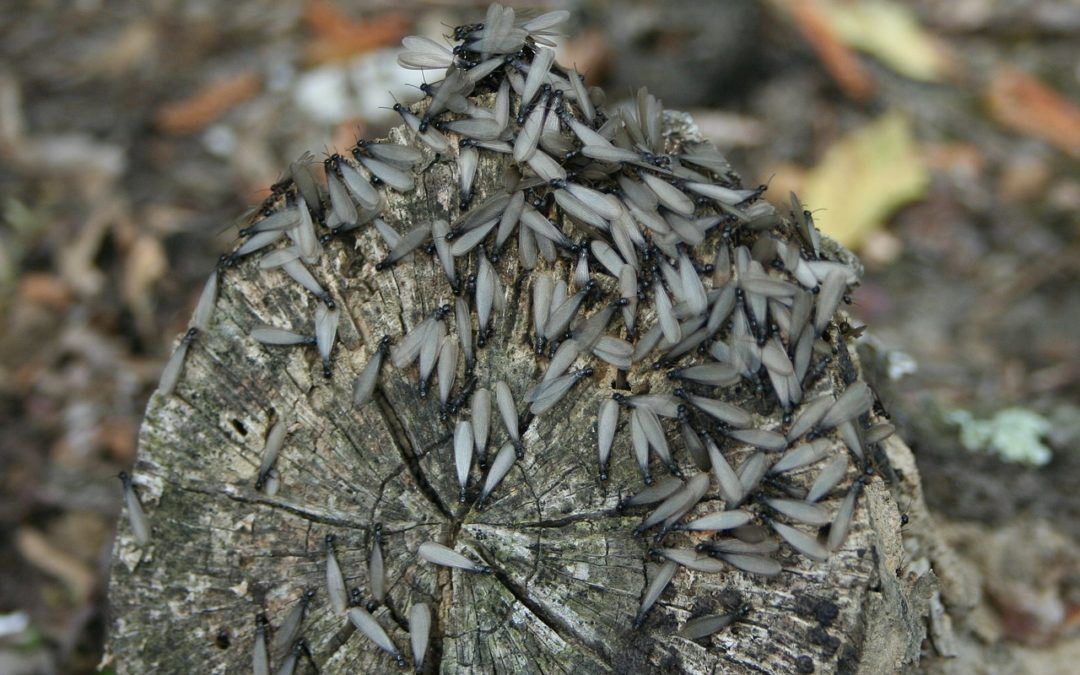
Schedule an inspection the moment you notice mud tubes, hollow-sounding wood, or discarded termite wings near windows or baseboards. These are the primary early warning signs for subterranean termites in Raleigh homes. Mud tubes on foundation walls are the clearest signal. Winged swarmers inside the home, or wings left behind on countertops and windowsills, indicate an active colony nearby.
You don’t need a confirmed sighting to warrant an inspection. Homes near wooded lots, with crawlspaces, or with wood-to-soil contact at the foundation carry elevated risk. Annual inspections give you a documented baseline and catch new activity before it escalates. Sage offers free termite inspections, so there’s no cost barrier to getting a professional set of eyes on your property.
Treatment Cost Raleigh Homeowners Pay vs Repair Costs
Structural wood repair from termite damage costs far more than prevention. Floor joist replacement, subfloor repair, and framing work in a crawlspace can run thousands of dollars before the cosmetic damage is even addressed. Treatment that costs $500–$1,500 now prevents repair bills that regularly reach $3,000–$10,000 or more on older Raleigh homes with accessible crawlspaces and wood-frame construction.
Homeowners insurance in North Carolina typically does not cover termite damage, classifying it as preventable maintenance. That means repair costs come entirely out of pocket. The math on early treatment versus deferred action consistently favors treatment. The EPA’s integrated pest management framework recommends proactive monitoring and early intervention as the most cost-effective approach to structural pest control.
Pest Control Services Beyond Termites in Raleigh, NC
Termite treatment is typically a standalone service, separate from general pest control plans. Sage’s general pest control plan covers ants, spiders, cockroaches, crickets, and other common household pests on a tri-annual schedule. Mosquito control and rodent services are available as add-ons or separate programs. If you’re dealing with multiple pest issues alongside a termite concern, your technician can walk through which services make sense to combine and which require their own treatment track.
Raleigh homeowners who discover termites during a general pest inspection often ask whether their existing plan covers treatment. It does not. Termites require a dedicated program because the treatment methods, monitoring schedule, and service structure are entirely different from general pest control. Your technician will explain the separation clearly during the inspection visit.
Bottom Line on Termite Treatment Cost in Raleigh, NC
Termite treatment cost in Raleigh, NC ranges from a few hundred dollars for a bait station system on a smaller home to $2,500 or more for full foundation trenching on a larger property. The two primary methods, Trelona bait systems and termiticide trenching, each offer strong protection against the subterranean termites common to the Raleigh and Cary area. Method choice, perimeter size, and infestation severity determine your final price. The fastest way to get an accurate number is a free inspection, which also tells you whether you have an active infestation or a risk profile that warrants preventative treatment.
Sage Pest Control serves Raleigh, NC homeowners with free termite inspections, same-day service, and 2,500+ five-star reviews across North Carolina and Virginia Beach. Among termite exterminators in the area, we cover bug and rodent activity with the same recurring service, and our termite removal pricing is separate from preventative bond fees. Text us for a quote.
Frequently Asked Questions
How much does termite treatment cost for a typical Raleigh home?
Most Raleigh homeowners pay $500–$1,500 for termite treatment, depending on method and perimeter size. Bait station systems tend to sit at the lower end of the range, while termiticide foundation trenching costs more due to labor and materials. Large homes or severe infestations can push costs past $2,500. A free inspection gives you a precise quote for your specific property.
How long does termite treatment last in NC?
Foundation trenching applications last approximately five years before reapplication or a switch to a bait monitoring system is recommended. Trelona bait cartridges remain effective for 2–4 years under typical conditions, with annual station inspections and bait replacement as needed. Both methods include ongoing monitoring so any new activity is caught early, not after structural damage has occurred.
What is the first sign of termites in a Raleigh home?
For subterranean termites, the most common first sign is mud tubes on foundation walls or other hard surfaces near the ground. These pencil-width tubes connect the soil colony to the wood inside your home. You may also notice discarded wings near windows, baseboards, or countertops after a swarm event. Hollow-sounding wood when tapped is another indicator of internal termite activity.
Can I treat termites myself in NC?
Store-bought products can contact surface termites, but they cannot reach the colony living in soil and inside structural wood. DIY treatments fail silently: termites stop swarming for a season while the colony continues feeding undetected. Effective termite control requires products applied at the right rates in active areas, using methods that move through the colony via worker-to-worker contact. Professional treatment is the reliable path for subterranean termite infestations.
Does Sage Pest Control offer free termite inspections in Raleigh?
Yes. Sage offers free termite inspections for Raleigh, NC homeowners. During the inspection, a technician checks your foundation, crawlspace, attic, baseboards, door and window frames, plumbing areas, and exposed wood for signs of activity and risk conditions. If treatment is needed, you receive a clear recommendation with pricing before any work begins. Same-day service is available in most cases.
Our methodology: how we research pest control topics
Every Sage Pest Control article follows the same standard we hold our service to — fast, accurate, and grounded in what actually works on a real home. Homeowners in North Carolina and Virginia trust us to be there the same day with the right answers, and we treat the writing the same way: useful, specific, and honest about what does and does not work.
We build our content from a combination of government guidance, peer-reviewed research, and the patterns our technicians see across thousands of homes in Charlotte, Raleigh, Greensboro, and Virginia Beach. Here is how we approach each article:
Studying pest behavior
We start with how each pest actually lives — where it nests, how it spreads, and what triggers it. The cockroach behind your dishwasher and the carpenter ant in your siding behave differently. Treatment that works on one will not touch the other. The science of how a pest behaves is what tells us where to look and how to treat.
Reviewing health and home risks
Some pests are a nuisance. Others can damage your home, trigger allergies, or carry bacteria that affect your family. We look at the actual research — public health data, allergen studies, structural damage reports — so when we tell you something matters, you can see why.
Using Integrated Pest Management
Our recommendations follow the Integrated Pest Management (IPM) framework supported by the USDA and the EPA. IPM combines monitoring, sanitation, exclusion, and targeted treatment so pests do not just come back next month. It is also why our service runs tri-annually with rotated products — because the goal is lasting protection, not constant retreatment.
Prioritizing prevention and lasting protection
A pest problem rarely ends with one visit. We focus on the conditions that let infestations start in the first place — moisture, food sources, gaps around the home, clutter — because addressing those is what keeps pests gone for months, not weeks.
Citing peer-reviewed and government sources
Whenever possible, we back our recommendations with peer-reviewed studies, university extension research, and guidance from agencies like the EPA, CDC, and USDA. Each source we cite is listed at the end of the article.
Why trust us
Sage Pest Control was built around a simple idea: when you see a pest, you want it handled today, by a team that actually knows what they are doing. We serve homeowners across Charlotte, Raleigh, Greensboro, and Virginia Beach with same-day service 90 to 95 percent of the time, response times under a minute by text, and a team that picks up the phone in under twenty seconds.
That is the same standard we bring to our content. The information you read here reflects what our technicians see in the field, what current research supports, and what we have learned from servicing thousands of homes across North Carolina and Virginia. We are GreenPro certified, our products meet EPA standards, and we rotate our treatments so pests cannot build resistance.
We do not write content to fill a quota. We write to give homeowners the answers we wish every pest control company would give — clear, specific, and useful enough to act on.
Our credentials
- Service across Charlotte, Raleigh, Greensboro, and Virginia Beach
- GreenPro certified, with treatments that meet EPA standards
- 2,500+ five-star reviews from homeowners across North Carolina and Virginia
- Trained technicians supported by the Sage Technician Training Program
- Tri-annual service cycles with product rotation to prevent resistance
- Family-owned, locally operated, with 10,000+ hours of community service contributed
- Continuous review of pest research, regulations, and industry standards
Sources and standards we reference
To keep our content accurate and up to date, we rely on established research and authority sources, including:
Environmental Protection Agency (EPA):
Guidelines on product use, labeling, and approved applications.
Centers for Disease Control and Prevention (CDC):
Public-health guidance on pests that affect human health, including mosquitoes, ticks, rodents, and cockroaches.
United States Department of Agriculture (USDA):
Integrated Pest Management standards and pest biology research.
National Pest Management Association (NPMA):
Industry standards, pest behavior research, and seasonal trend reporting.
University extension programs:
Peer-reviewed, region-specific research on pest biology and control methods, especially relevant to the Carolinas and Virginia.
Peer-reviewed journals:
Research published in entomology, public health, and environmental science journals to support specific claims about pest behavior, health risks, and treatment efficacy.
Article sources
The following sources were specifically referenced in the research and development of this article:
- A Review of the Evolution of Termite Control: A Continuum of Alternatives to Termiticides in the United States (F. Oi (2022), Insects)
- Detection and monitoring techniques of termites in buildings: A review (Babar Hassan (2024), International Biodeterioration & Biodegradation)
- Ecological Drivers of Species Distributions and Niche Overlap for three Eastern Subterranean Termite Species in the Southern Appalachian Mountains (Chaz Hyseni (2018), PeerJ)
All information is accurate at the time of publication and is reviewed regularly to reflect current research and pest control standards.