
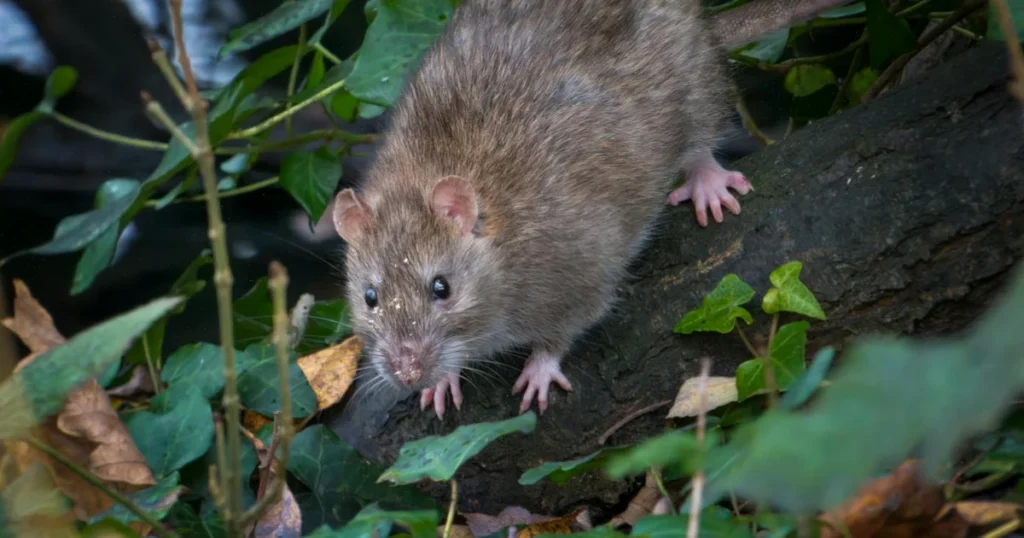
Six rodent species commonly invade North Carolina homes, and two of them — rats and mice — are the ones most likely to end up inside yours. Knowing which species you’re dealing with changes how you treat the problem. This guide covers the most common rodents in NC, the health risks they carry, and what professional treatment actually looks like.
Key Takeaways
- North Carolina is home to several commensal rodent species, including Norway rats, roof rats, house mice, deer mice, squirrels, and voles.
- Rats and mice spread diseases through feces, urine, and contact — risks documented in peer-reviewed research on rodent-borne zoonotic pathogens.
- Rodents chew through wires, insulation, and walls, creating fire hazards and structural damage.
- Professional treatment combines interior snap traps, tamper-resistant exterior bait stations, and minor exclusion work sealing entry points up to 2″ x 2″.
- Sage Pest Control’s standalone rodent service starts at $499, with recurring tri-annual monitoring available for homes of all sizes.
Common Types of Rodents Found in North Carolina Homes
Not every rodent you spot near your house is a pest, but several species in North Carolina are classified as commensal — meaning they live in close proximity to humans and depend on our structures for food and shelter. Knowing how to identify each one helps you understand the risk level and the right treatment approach.
Norway Rats and Roof Rats in North Carolina
Norway rats (also called brown rats or common brown rats) and roof rats (also called black rats) are the two rat species most likely to enter your home. A review of urban rat ecology published in Urban Ecosystems documents how both species have adapted to residential environments across North American cities, exploiting food sources, shelter gaps, and sanitation conditions. Norway rats are dark brown, heavy-bodied, and prefer burrowing under foundations, in walls, and along the home’s foundation perimeter. Roof rats are lighter in color, great climbers, and tend to enter through rooflines, gutters, and trees touching the structure. Both species gnaw through wires, walls, and insulation — and both carry diseases.
House Mice and Deer Mice in North Carolina
House mice are the most common rodent species found inside NC homes, and deer mice (sometimes called field mice) are nearly as prevalent in suburban and rural properties. House mice are light brown to gray with short tails, small bodies, and a talent for squeezing through gaps as small as a dime. Deer mice are reddish-brown with white undersides and are common in grassy areas and wooded edges. Both contaminate food, leave feces across counters and cabinets, and nest inside walls and insulation. Deer mice carry a heightened health risk compared to house mice due to their association with hantavirus.
Squirrels, Chipmunks, and Voles in North Carolina
Gray squirrels, chipmunks, voles, and moles round out the list of common rodents in North Carolina, though these species typically cause more outdoor or attic-level damage than interior infestations. Gray squirrels enter attics through damaged rooflines, where they chew through electrical wires and build nests. Chipmunks and voles burrow in grassy areas and around landscaping. Voles — sometimes called meadow mice — damage root systems and can undermine a home’s foundation through their tunnel colonies. Moles technically belong to their own order (Order Eulipotyphla) and are not true rodents, but they appear alongside other rodents in North Carolina discussions because of similar yard damage.
Bats, Rabbits, and Other Mammals Near NC Homes
Bats, rabbits, and a few other small mammals are sometimes grouped with rodents in conversations about pest activity, but they are separate species with different behaviors and legal protections. Bats belong to Order Chiroptera and are beneficial predators of mosquitoes and other insects. Rabbits are lagomorphs, not rodents, and belong to their own order. Neither bats nor rabbits chew wires or nest inside walls the way rats and mice do. If you’re seeing bats near your roofline or rabbits in your yard, those situations call for different approaches than a standard rodent treatment.
Health Risks from Rodents in North Carolina Properties
Rats and mice are not just a nuisance — they are a documented public health risk. Research published in Science by Keesing et al. (2024) identifies rodents as hosts for hundreds of zoonotic pathogens, meaning diseases that transmit from animals to humans. In residential settings, that transmission happens through feces, urine, contaminated food, and indirect contact. A single infestation can expose your household to multiple disease vectors simultaneously.
Diseases Rodents Carry in North Carolina
Rats in urban and suburban environments carry Leptospira, E. coli, and other pathogens that create real health risks for families living in affected homes. A study published in Zoonoses and Public Health found that city sanitation conditions and rat populations directly predict zoonotic infection rates in residential neighborhoods. Mice carry hantavirus, salmonella, and lymphocytic choriomeningitis. These diseases spread through rodent feces left on food preparation surfaces, inside pantries, or wherever mice and rats travel. Rodent urine and feces also trigger respiratory problems in people with asthma or allergies.
Property Damage Rodents Cause Across NC Homes
Beyond disease, rodents are destructive in ways that create serious safety hazards inside your home. Rats and mice gnaw constantly because their teeth never stop growing — they chew through electrical wires, insulation, drywall, and even plastic plumbing pipes. Chewed electrical wires are a leading cause of electrical fires in homes with undetected rodent activity. Squirrels in the attic cause similar damage to wires and insulation. Voles and chipmunks chew through irrigation lines and undermine landscaping. The property damage from a moderate infestation can run into thousands of dollars if left untreated.
How Rodents Get Into North Carolina Homes
Most rodents enter through gaps and openings that homeowners never notice — and the entry points are smaller than you’d expect. A house mouse can fit through an opening the size of a dime. Norway rats need only a quarter-sized gap. Roof rats enter through rooflines, where branches from trees touching the structure give them a direct path. Common entry points include gaps around plumbing penetrations, cracks in the home’s foundation, spaces under garage doors, torn vent screens, and gaps where utility lines enter the structure.
Conditions That Attract Rodents to NC Properties
Rodents move toward food, water, and shelter — and many NC properties offer all three without homeowners realizing it. Outdoor trash cans without secure lids are a primary food source. Bird feeders and pet food left outside overnight draw rats and mice to the yard. Woodpiles stacked against the house create ideal nesting habitat. Dense landscaping close to the foundation gives rats and mice covered pathways to the structure. Clogged gutters hold moisture and organic debris that attract foraging rodents. Addressing these conditions is the first step in any serious rodent prevention plan.
Professional Rodent Treatment Options in North Carolina
DIY rodent control rarely resolves an active infestation because it addresses individual rodents rather than the population. A study published in Animals (MDPI) found that coordinated, building-wide rodent management reduced house mouse infestations by 87%, while isolated individual efforts produced inconsistent results. Professional treatment works differently: it targets the rodent population systematically, installs prevention measures at entry points, and monitors for returning activity.
How Sage Treats Rodents in North Carolina Homes
Sage Pest Control’s rodent treatment combines interior trapping, exterior bait stations, and targeted exclusion work to reduce active infestations and prevent re-entry. When active infestation is present inside the home, technicians place snap traps in key travel areas. Outside, tamper-resistant bait stations go in around the perimeter of the structure to intercept rodents before they enter. For exclusion work, technicians seal entry points up to 2″ x 2″ around the exterior of the home. Larger structural gaps require a licensed contractor. NC State Extension Entomology recommends this type of integrated approach — combining trapping, baiting, and exclusion — as the most effective strategy for managing commensal rodent species in residential settings.
Rodent Treatment Pricing for NC Homeowners
Sage offers a standalone rodent service starting at $499 for the initial treatment, which includes ongoing monitoring and prevention. For homeowners who want rodent protection as part of a broader pest control plan, recurring service covers rodent treatment on a tri-annual schedule. Recurring rates run $39 per service for homes up to 5,000 sq ft, $44 per service for 5,001 to 7,000 sq ft, and an additional $5 per 1,000 sq ft beyond that. Interior rodent protection is also included in the General Pest Control package, which starts at $299 for the initial visit.
How to Prevent Rodents in North Carolina Year-Round
Prevention is more effective than treatment, and most of it comes down to removing the conditions that make your property attractive to rodents. Start by sealing every gap you can find on the exterior: around pipes, along the roofline, under doors, and where utility lines enter. Keep outdoor trash cans sealed with locking lids. Pull bird feeders away from the house. Store firewood at least 20 feet from the structure. Trim tree branches so they don’t touch the roofline — roof rats use those branches like a highway. Inside, keep food in sealed containers and clean up crumbs and spills consistently.
Seasonal Rodent Pressure Across NC Homes
Rodent pressure in North Carolina peaks in fall and winter as temperatures drop and rodents seek warmth inside structures. Norway rats and house mice move indoors as outside food sources shrink. This seasonal migration happens every year — which is why tri-annual monitoring matters more than a single one-time treatment. A treatment in September addresses the immediate infestation; monitoring visits through winter and spring confirm that new entry hasn’t occurred. Homes with prior rodent activity are at higher risk for repeat intrusion, making ongoing prevention the most cost-effective long-term strategy.
Bottom Line on Rodents in North Carolina Homes
Rodents in North Carolina are more than a nuisance. Rats and mice spread disease, destroy insulation and wiring, and re-enter homes year after year if entry points stay open. The common rodent species across NC — Norway rats, roof rats, house mice, deer mice, squirrels, voles, and chipmunks — each behave differently, and effective treatment starts with correct identification.
Professional treatment that combines trapping, exterior bait stations, and exclusion work outperforms any DIY approach. Sage Pest Control serves Charlotte, Raleigh, Greensboro, and Virginia Beach with same-day response and tri-annual rodent monitoring built into every recurring plan. If you’re seeing signs of rodent activity, the right time to act is before the population grows.
Frequently Asked Questions
What are the most common rodents found in North Carolina homes?
Norway rats, roof rats, and house mice are the three rodent species most likely to enter NC homes. Deer mice (field mice) are also common in suburban and rural properties. Squirrels occasionally enter attics, and voles cause damage in yards and around foundations.
How do I know if I have rats or mice in my house?
Rat droppings are larger, roughly the size and shape of a raisin, while mouse droppings are small and pointed. Rats tend to leave grease marks along walls and baseboards from their fur. Mice leave smaller, more scattered feces and are more likely to nest inside walls and insulation near food sources.
Are rodents in North Carolina dangerous to my family?
Yes. Rats and mice carry diseases through their feces, urine, and direct contact. Research published in Science identifies rodents as hosts for hundreds of zoonotic pathogens. Common risks include salmonella, leptospirosis, and hantavirus. Rodent droppings also trigger respiratory issues in people with asthma.
How much does rodent control cost in North Carolina?
Sage Pest Control’s standalone rodent service starts at $499 for the initial treatment. Recurring tri-annual monitoring runs $39 to $44 per service depending on home size, with rates adjusted for larger properties. Rodent treatment is also included in the General Pest Control plan starting at $299 initial.
Can rodents come back after treatment?
Yes, if entry points remain open. A single treatment addresses the active population, but rodents will re-enter through unsealed gaps. That is why exclusion work and ongoing monitoring are critical components of long-term control. Tri-annual visits confirm that new activity is caught before it becomes a full infestation.
