
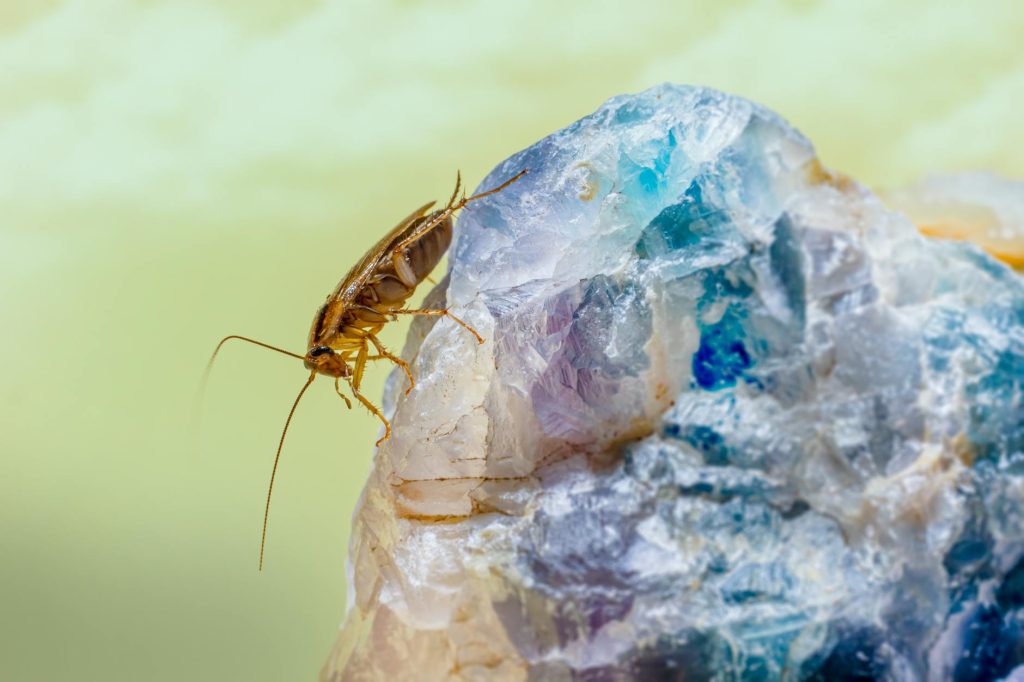
Palmetto roach infestations can create costly problems when early signs are missed. Learn what to look for, why it matters, and when to call Sage Pest Control.
Key Takeaways About Palmetto Roach
- “Palmetto bug” is a common nickname for several cockroach species that tend to live outdoors in moist, shady spots near homes and may wander inside looking for food or water.
- These roaches can be repulsive when they show up indoors, and understanding what draws them in helps you keep your home less inviting.
- Reducing outdoor harborage areas and limiting entry points are practical first steps toward keeping palmetto roaches outside where they belong.
- When roaches move indoors, a monitoring program paired with professional treatment can help you stay ahead of the problem.
How to Identify Palmetto Roach
“Palmetto roach” is a casual name that can refer to several cockroach species you might find in or around your home. Telling them apart matters because different species behave differently and show up in different places. Here is what to look for.
How to Tell Palmetto Roach Types Apart
The German roach is one of the most common species and the one usually found in kitchens. Adults are comparatively small, about half an inch long, and tan in color. According to Purdue Extension, the immatures (nymphs) have dark markings that make them appear dark brown to black. You may see them in large numbers.
The brown-banded roach resembles the German roach in size but differs in habits. It may infest the entire home rather than confining itself to the kitchen or areas where there is food. The Asian cockroach readily flies and is attracted to light, which is rare for a cockroach and a quick way to distinguish it from look-alikes. There are also eight species of wood cockroaches in the Southeastern United States, all native species.
How to Spot Palmetto Roach Activity Inside Your Home
Some species prefer high areas inside your home. According to the University of Minnesota Extension, one common cockroach species hides behind pictures and clocks, beneath furniture, and among books. If you are finding roaches in bedrooms, living rooms, or hallways rather than just the kitchen, a species like the brown-banded roach may be involved.
German roaches, on the other hand, tend to stay near food sources and often occur in large numbers in kitchen areas. Noticing where you see activity is one of the best clues to which species you are dealing with.
Where Palmetto Roach Activity Shows Up Around Homes
Outdoors, the Asian cockroach is found in shaded areas with leaf litter, mulch, or tall grass. Because this species flies toward light, you may notice it around porch lights and illuminated windows at dusk. Wood cockroach species are also outdoor dwellers native to the Southeast.
Exterior Entry Points Palmetto Roach Use
Light-attracted species like the Asian cockroach can fly directly to doors and windows when lights are on. Any gap near an exterior light fixture or an open doorway becomes an easy pathway inside. Paying attention to which openings sit near outdoor lighting can help you understand how palmetto roaches are getting in.
Why Palmetto Roach Problems Develop
Palmetto roach sightings usually trace back to conditions right outside your home. Several species grouped under the “palmetto bug” label are outdoor roaches that wander indoors when their habitat overlaps with yours. Understanding where they nest, what draws them in, and how they travel helps you make sense of an unexpected visitor on the kitchen floor.
Outdoor Nesting Areas for Palmetto Roach
The smokybrown cockroach, one of the most recognized palmetto roach species, commonly lives in treeholes, attics, crawlspaces, and sheds in suburban Southern neighborhoods with mature hardwood trees. According to the University of Georgia pest guide, this species is the most common cockroach in those settings. Yards with large oaks, maples, or other hardwoods create ready-made harborage just steps from your walls.
Eight species of wood cockroaches are native to the Southeastern United States, and all are native species that rely on leaf litter and decaying wood outdoors. The palebordered field cockroach, originally native to Central America and Mexico, has also spread throughout the Southeastern United States over time.
Food and Shelter That Attract Palmetto Roach
Mature hardwood trees provide both shelter and biological material that palmetto roaches depend on. Treeholes collect moisture and decaying matter, making them ideal nesting spots for smokybrown cockroaches. Sheds and crawlspaces mimic those conditions, offering darkness and cover close to your living space.
How Palmetto Roaches Move Around Homes
Not every palmetto roach species moves the same way. Oriental cockroach males have short wings that do not fully cover the abdomen, while females are completely wingless. The Asian cockroach, first found in Tampa, FL in 1987 and native to Southeast Asia, represents a different movement profile among species sometimes called palmetto bugs.
Trails and Entry Points Palmetto Roaches Use
Because smokybrown cockroaches commonly occupy attics, crawlspaces, and sheds, these structures act as bridges between outdoor nesting sites and indoor living areas. Roaches that harbor in treeholes near your roofline or foundation can follow those paths directly into your home. Recognizing young smokybrown nymphs, identifiable by a white band across their backs and white-tipped antennae, can confirm that a nearby colony is active.
Risks From Palmetto Roaches
A palmetto roach sighting may feel like a one-time nuisance, but when these insects become established in a home, the problems they create go beyond the initial surprise. Understanding the risks helps you decide how seriously to take the activity you are seeing.
Health Risks Linked to Palmetto Roach
Cockroaches that become established in homes can mechanically transmit disease as they crawl across surfaces, according to Kansas State University Extension. Because palmetto roaches move freely between outdoor debris and indoor living spaces, they may pick up and spread microorganisms along the way. Countertops, sinks, and other high-touch areas are particularly worth monitoring if you notice ongoing roach activity.
Property Damage From Palmetto Roach
Palmetto roaches that settle indoors can cause a number of problems beyond health concerns. These insects are repulsive and annoying to deal with on a regular basis. Their droppings and shed skins accumulate over time, creating persistent cleaning challenges. While the damage profile differs from wood-destroying pests, an established population still makes daily life less comfortable in your home.
Food Areas and Palmetto Roach Activity
Kitchens and pantries are natural hotspots because palmetto roaches seek moisture and biological matter. As they crawl across food-preparation surfaces, they may transfer contaminants mechanically from one area to another. Keeping an eye on activity near food storage and prep zones gives you an early indicator of how established the population may be.
When to Look Closer at Palmetto Roach Activity
A single palmetto roach wandering in from outside does not always signal an infestation. However, repeated sightings, especially during daylight hours, can point to a population that has taken hold indoors. Several species commonly grouped under the palmetto roach label have spread throughout the Southeastern United States, so ongoing vigilance is worthwhile for homeowners in the region.
Paying attention to where and when you spot these roaches helps you gauge whether the issue is occasional or growing. Early awareness puts you in a better position to address the situation before the population becomes more deeply established in your home.
Professional Pest Control for Palmetto Roaches
Getting palmetto roach activity under control takes more than a single treatment. According to UC IPM, good sanitation and exclusion are important for control, because treatments alone will not solve cockroach problems. That means a lasting plan pairs hands-on prevention with professional-grade products and regular follow-up.
How to Reduce Attractants for Palmetto Roaches
The most practical first step is cutting off what draws palmetto roaches indoors. Practice good sanitation in food handling, storage, and eating areas. Control moisture by fixing leaks and reducing condensation. These two habits remove the food and water sources roaches depend on.
Beyond cleaning, seal off harborage sites such as cracks and crevices with caulk. Use exclusion practices to prevent cockroach movement between rooms or from outdoors. Tight-fitting door sweeps and sealed utility openings go a long way toward keeping palmetto roaches on the outside of your home.
Why Palmetto Roach Control Starts With Inspection
A thorough inspection tells a service professional where palmetto roaches are hiding and how they are getting in. Identifying harborage sites, moisture sources, and entry points shapes the rest of the control plan. Without that information, treatments may miss the areas that matter most.
Inspection also helps rule out red flags from less reputable providers. According to Purdue Extension, one common warning sign is a company that claims to have leftover product from another job and pushes you to treat right away at a discount. A trustworthy provider takes time to assess your home first.
What to Expect During Professional Palmetto Roach Treatment
Professional palmetto roach control often relies on targeted bait formulations. Gel baits containing fipronil and bait stations containing hydramethylnon are among the professional-grade options used for cockroach control. These products are placed in specific harborage areas identified during inspection.
At Sage Pest Control, our tri-annual service programs include product rotation to help prevent resistance over time. Because we pair treatments with sanitation guidance and exclusion recommendations, your plan addresses the full picture rather than just what you can see.
What to Expect From a Palmetto Roach Control Plan
A complete palmetto roach control plan combines ongoing sanitation, exclusion, and scheduled service visits. Sage offers same-day service when you need a fast start, and our team responds in under one minute by text, so you are never left waiting.
We serve homeowners in Charlotte, Raleigh, Greensboro, and Virginia Beach with GreenPro-certified, EPA-standard treatments and low-impact products. With 2,500+ five-star reviews, our approach is built on consistent follow-through, not one-time fixes. Good control means staying ahead of the problem season after season.
Bottom Line on Palmetto Roach
Palmetto roaches are outdoor cockroaches that can wander into your home, especially when conditions outside shift. Knowing how to identify these roaches, understanding what draws them near your house, and keeping entry points sealed all help you stay ahead of an unwelcome visit. If you spot palmetto roaches inside and want a professional assessment, reach out to Sage Pest Control for same-day service backed by 2,500+ five-star reviews.
Frequently Asked Questions
Are Palmetto Roaches the Same as American Cockroaches?
“Palmetto Roach” is an informal name often used for large outdoor cockroach species. The American cockroach is one species frequently called a palmetto roach, though the smokybrown cockroach and wood cockroaches may also go by the same name depending on the region.
Do They Fly?
Some species grouped under the palmetto roach label can fly. Others may glide short distances or rarely take flight. Whether a roach flies often depends on the specific species involved.
How Can I Keep Them Out of My House?
Reducing moisture and clutter around your home’s exterior helps make the area less inviting. Sealing gaps around doors, windows, and utility openings limits the paths roaches use to get inside. Monitoring traps placed in key areas can help you identify activity early.
When Should I Call a Professional?
If you are seeing palmetto roaches inside your home repeatedly, a pest control professional can evaluate what is attracting them and where they are entering. Sage Pest Control offers tri-annual programs with product rotation designed to address ongoing pest pressure.
