
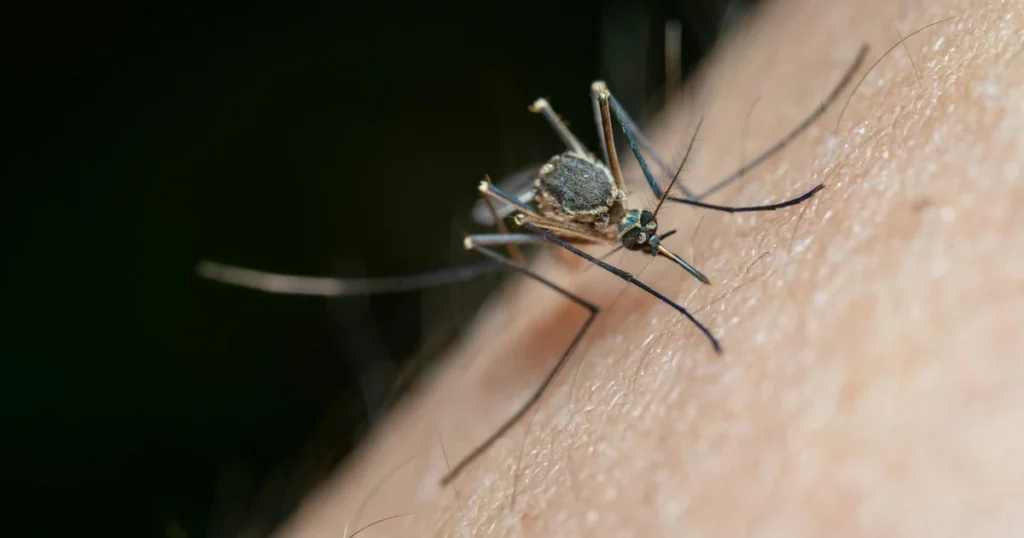
Yes, mosquitoes in North Carolina are active spring through fall, with 60+ species statewide and peak season running July through September.
Key Takeaways
- North Carolina hosts over 60 mosquito species, with the Asian tiger mosquito found in all 100 counties.
- Mosquito season in North Carolina runs roughly October through May, peaking July through September.
- NC mosquitoes carry West Nile virus, Eastern equine encephalitis, La Crosse encephalitis, and Zika virus.
- Standing water — even a bottle cap’s worth — gives female mosquitoes a breeding site.
- Professional recurring treatments reduce mosquito activity by targeting foliage where mosquitoes rest during the day.
Yes, Mosquitoes Are Widespread Across North Carolina
North Carolina’s warm, humid climate makes it one of the most mosquito-dense states in the country. Research published in the Journal of the American Mosquito Control Association confirmed that Aedes albopictus (Asian tiger mosquito) is now present in all 100 North Carolina counties. No corner of the state is free of them. If you live in Charlotte, Raleigh, Greensboro, or anywhere near the coast, mosquitoes are part of your outdoor reality.
The state’s mix of forests, wetlands, river floodplains, and suburban landscaping creates ideal breeding grounds across every region. Coastal areas deal with saltmarsh species. The Piedmont and mountains host container-breeders and woodland species. Urban and suburban yards face the Asian tiger mosquito year after year, regardless of how well-kept the property looks.
When Mosquito Season in North Carolina Runs Longest
Mosquito season in North Carolina typically begins in early spring, around July, and remains active through October. Peak mosquito activity hits July through September, when temperatures stay consistently above 50 °F overnight and rain keeps standing water available. Cooler temperatures in late fall push activity down, but a warm October can extend the season well past what most homeowners expect.
Mosquitoes are cold-blooded insects, so temperatures drive everything. When daytime highs drop below 50 °F, most species stop feeding and breeding. But during summer, even brief rain events replenish breeding sites fast. A week of afternoon thunderstorms can cause mosquito populations to spike noticeably in a yard that seemed manageable the week before.
North Carolina mosquito season is also longer on the coast than in the mountains. Virginia Beach, just across the state line, shares a similar coastal climate where mosquitoes remain active later into fall compared to the NC piedmont or foothills.
Common Mosquito Species You’ll Find in North Carolina
Not all mosquitoes in North Carolina behave the same way. Knowing which species are active on your property helps you understand when and where to protect yourself.
Asian Tiger Mosquitoes Active in North Carolina Yards
The Asian tiger mosquito is the most common species North Carolina homeowners encounter up close. A statewide surveillance study published in the Journal of Medical Entomology found that Asian tiger mosquitoes made up 81% of over 67,000 specimens collected across 18 NC counties. You can identify them by their black bodies and **bright white stripes** on the legs and thorax. Unlike most species, they bite aggressively during the day, not just at dusk. They breed in tiny amounts of standing water, including clogged gutters, bird baths, and potted plants.
Northern House Mosquitoes Common in North Carolina
Northern house mosquitoes are the primary carrier of West Nile virus in North Carolina. They feed on birds and humans, which is how the virus moves from the animal reservoir into people. These mosquitoes are most active at dusk and through the night. They breed in standing water with higher organic content, like drainage ditches, storm drains, and neglected bird baths. In residential areas, they are a consistent presence from late spring through early fall.
Eastern Saltmarsh Mosquitoes in North Carolina Coastal Areas
Eastern saltmarsh mosquitoes are a significant pest in coastal North Carolina, particularly in areas near tidal marshes and wetlands. They can travel several miles from their breeding grounds, which means homeowners in coastal neighborhoods may face heavy populations even without standing water on their own property. These mosquitoes are most active at dawn and dusk and are known for aggressive biting behavior. They are primarily a nuisance pest rather than a major disease vector.
Diseases North Carolina Mosquitoes Carry and Spread
North Carolina mosquitoes are not just a nuisance. They carry several diseases that affect humans each year. According to a review of arboviral disease in North Carolina published via NCBI Bookshelf, West Nile virus, Eastern equine encephalitis (EEE), and La Crosse encephalitis together account for over 98% of mosquito-borne disease cases reported in the state.
West Nile virus is the most commonly reported mosquito-borne illness in the U.S., with northern house mosquitoes as the primary vector in NC. Eastern equine encephalitis is rarer but more severe, with a high fatality rate in cases that progress to neurological disease. La Crosse encephalitis is endemic to western NC and primarily affects children. Zika virus remains a concern for travelers returning to NC from areas with active transmission, and local mosquito species are capable of spreading it.
Malaria was historically present in NC and remains a risk through international travel. The state’s mosquito populations include species that could sustain local transmission if an infected individual introduced the parasite, though no sustained local transmission has been documented in recent decades.
Where Mosquitoes Breed on Your North Carolina Property
Every mosquito problem starts with water. A female mosquito needs standing water to lay eggs, and she does not need much. A bottle cap, a low spot in a tarp, or a clogged gutter holds enough water to produce a new generation in less than a week.
Common breeding grounds in North Carolina yards include:
- Clogged gutters holding rainwater
- Bird baths that go unchanged for more than a week
- Potted plants with saucers that collect water
- Low spots in the lawn after rain
- Old tires, buckets, or any container left outside
- Tarps and pool covers with standing water
- Ornamental ponds without circulation or fish
Asian tiger mosquitoes breed in containers as small as a bottle cap, which makes them particularly difficult to manage through breeding-site reduction alone. Northern house mosquitoes prefer larger, nutrient-rich water bodies. Saltmarsh species travel in from tidal areas and cannot be managed at the property level through source reduction.
How to Reduce Mosquitoes in Your North Carolina Yard
Reducing mosquito activity starts with eliminating standing water and cutting down on harborage areas. These steps reduce breeding grounds and resting habitat, which directly affects how many mosquitoes your yard produces and attracts.
Remove Breeding Sites for Mosquitoes in North Carolina Yards
Empty and scrub bird baths every five to seven days. Mosquito eggs adhere to the sides of containers, so rinsing without scrubbing can leave viable eggs behind. Drain or overturn any container that holds water after rain. Clean gutters each spring and fall to prevent water from pooling. If you have ornamental ponds, add a circulating pump or stock mosquito-eating fish to disrupt breeding sites before the season peaks.
Cut Down on Harborage Areas in North Carolina Landscapes
Mosquitoes spend most of the day resting on the underside of leaves in shaded, humid areas. Dense shrubs, overgrown groundcover, and thick vegetation along fences and patios give them exactly what they need. Trim shrubs to improve airflow and reduce shade. Keep grass cut short. Remove leaf piles and excess mulch where moisture collects. These changes do not require a full landscape overhaul, but even moderate reductions in dense vegetation make your yard noticeably less hospitable to mosquitoes during peak season.
When to Call Professional Mosquito Control in North Carolina
DIY prevention reduces mosquito breeding grounds, but it does not address the mosquitoes already present in your yard or those moving in from neighboring properties. Professional mosquito control targets resting areas directly, which is where prevention alone falls short.
Sage’s mosquito treatment process begins with a property inspection. Technicians identify areas where mosquitoes rest and breed, including dense shrubs, shaded foliage, standing water, and clogged gutters. Using professional mist blower equipment, they apply EPA-registered products to trees, shrubs, undergrowth, and shaded vegetation around the home. Treatment focuses on the underside of leaves, where mosquitoes spend the majority of their time during daylight hours.
Most treatments take 20 to 30 minutes, depending on property size and the amount of landscaping. Because mosquito activity in North Carolina runs for six or more months, control is most effective on a recurring schedule throughout the season. NC State Extension Entomology recommends an integrated approach that combines source reduction with targeted treatments for meaningful, sustained reductions in mosquito populations.
If you continue to see mosquito activity between scheduled treatments, Sage will return and re-treat the property at no additional cost.
Bottom Line on Mosquitoes in North Carolina Yards
Mosquitoes in North Carolina are a seasonal reality for every homeowner in the state, active from October through May and peaking in the summer months. Three species, the Asian tiger mosquito, the northern house mosquito, and eastern saltmarsh mosquitoes, account for most of the activity in residential yards. They carry real diseases, including West Nile virus, Eastern equine encephalitis, La Crosse encephalitis, and Zika virus. Preventing breeding by removing standing water and clearing dense vegetation reduces the population, but professional recurring treatment is the most direct way to protect your outdoor spaces through the full mosquito season.
Frequently Asked Questions
When does mosquito season in North Carolina start and end?
Mosquito season in North Carolina typically starts as early as February or March and mostly finish by early May and ends in October. Peak activity runs July through September, when temperatures remain warm enough overnight for mosquitoes to stay active. A warm fall can push the season later, while a cool spring can delay the start. In coastal areas near Virginia Beach and eastern NC, the season tends to run slightly longer than in the mountains or piedmont.
What is the most common mosquito in North Carolina?
The Asian tiger mosquito is the most common species NC homeowners encounter. A statewide surveillance study found it made up 81% of specimens collected across 18 counties and confirmed its presence in all 100 North Carolina counties. It bites during the day, not just at dusk, and breeds in very small amounts of standing water, making it a persistent problem in suburban yards throughout the season.
Do mosquitoes in North Carolina carry diseases?
Yes. North Carolina mosquitoes carry West Nile virus, Eastern equine encephalitis, La Crosse encephalitis, and Zika virus. West Nile virus is the most commonly reported mosquito-borne illness in the state. La Crosse encephalitis is endemic to western NC and primarily affects children. Eastern equine encephalitis is rare but carries a high fatality rate in severe cases. Reducing mosquito exposure during peak season lowers your risk of contact with all of these diseases.
How long does a professional mosquito treatment take in North Carolina?
Most professional mosquito treatments take approximately 20 to 30 minutes, depending on the size of the property and the amount of landscaping or foliage that needs to be treated. Technicians inspect the yard first to identify resting and breeding areas, then apply treatment to trees, shrubs, and shaded vegetation. Because mosquito season in NC runs for several months, recurring treatments on a scheduled basis provide the most consistent reduction in activity.
What attracts mosquitoes to my North Carolina yard?
Standing water is the primary attractant, since female mosquitoes need it to lay eggs. Even small amounts in clogged gutters, bird baths, potted plant saucers, or low spots in a tarp are enough. Dense shaded vegetation gives mosquitoes a place to rest during the day, which increases their presence on properties with heavy landscaping. Reducing both breeding sites and harborage areas is the most effective first step before professional treatment begins.
