
Black Widow in Virginia can create costly problems when early signs are missed. Learn what to look for, why it matters, and when to call Sage Pest Control.
Key Takeaways About Virginia Black Widow
- Black widow spiders can be found around Virginia homes, and knowing how to identify them helps you respond right away if you spot one on your property.
- A black widow bite may produce symptoms that are mostly internal, so understanding what to watch for matters more than what you see at the bite site.
- Reducing clutter and sealing gaps around your home are practical steps that make your property less inviting to these spiders.
- A trained pest control professional can assess your situation and help you decide on the right approach for your home.
How to Identify Virginia Black Widow
If you have spotted a dark, round-bodied spider tucked into a corner of your garage or crawl space, knowing what to look for can help you figure out whether you are dealing with a black widow. Several species of black widow are common in North America, so Virginia homeowners may encounter more than one type. Here is how to narrow it down.
How to Tell Black Widow Types Apart in Virginia
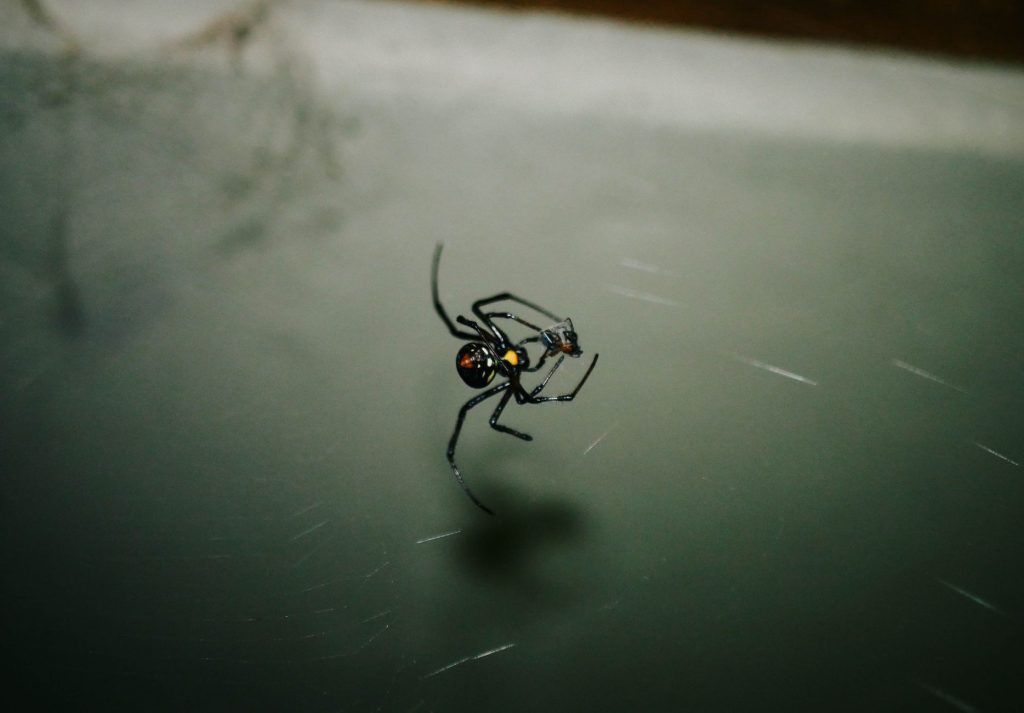
According to UC IPM, a mature female western black widow spider is about 1/2 inch (13 mm) in body length, with a rounded abdomen and characteristic coloration. That glossy black body and red hourglass marking on the underside are the details most people recognize first.
A brown widow is a separate species you may also come across. Mature female brown widows are smaller than mature female western black widows, with a body length of about 3/8 inch (10 mm). The brown widow tends to have a tan or brownish body rather than jet black, which is the quickest visual cue to separate the two species.
How to Spot Black Widow Activity Inside Your Virginia Home
Black widow spiders can deliver venomous bites, so homeowners should take precautions when dealing with stored items or working in areas where these spiders might hide. Boxes that have been sitting in a closet, attic, or storage room for a while are the kind of undisturbed spots these spiders favor.
Black widows tend to hide in undisturbed, sheltered spots, so check dim corners and low areas carefully for spider activity before reaching in. If you see that web style paired with a dark spider that has a rounded abdomen, slow down and inspect carefully before reaching in.
Where Black Widow Activity Shows Up Around Virginia Homes
Outside the living space, black widows tend to settle into areas that stay relatively undisturbed. Homeowners should stay alert when working in areas where these spiders might hide, including storage areas and sheltered spots around the property.
Exterior Entry Points Black Widows Use Around Virginia Homes
Because black widows prefer secluded hiding spots, any gap or opening that leads to a quiet, sheltered space can serve as an entry point. Keeping stored items organized and reducing clutter near the exterior walls of your home limits the kind of undisturbed harborage these species look for.
When you move stored boxes or materials that have been sitting for a while, wear gloves and check carefully. Awareness goes a long way toward staying low-risk around a spider that can deliver a venomous bite.
Why Black Widow Problems Develop in Virginia
Black widows tend to settle near homes when the surrounding environment offers the right mix of shelter and prey. Understanding what draws them closer can help you recognize the conditions that lead to a problem around your Virginia property.
Outdoor Nesting Areas for Black Widow Around Virginia Homes
According to UC IPM, the holes, cracks, crevices, trash, and clutter associated with human structures provide ideal habitat for black widows, making these spiders often very common around homes, barns, outbuildings, and rock walls. Any undisturbed structure with gaps or debris can become a nesting spot. When conditions are favorable, mature females can be found every few feet and sometimes within inches of each other.
Food and Shelter That Attract Black Widow Around Virginia Homes
Black widows are drawn to sheltered spaces where insects congregate. Cracks in foundations, crevices in outbuildings, and cluttered storage areas all offer the protected environment these spiders prefer. The combination of hiding places and a steady supply of small prey makes these spots particularly appealing.
It is worth noting that the brown widow appears to be displacing the black widow in some of its habitats, especially in urban areas. So the spider population around your home may include more than one widow species.
How Black Widows Move Around Virginia Homes
Black widows do not travel long distances to find your home. Instead, they take advantage of existing shelter that is already close by. Barns, rock walls, outbuildings, and exterior clutter serve as stepping stones. Once a spider finds a quiet, protected spot with access to prey, it stays put and builds a web.
Only the larger immature female and adult female black widows are able to bite through a person’s skin and inject enough venom to cause a painful reaction. That makes undisturbed female nesting sites the primary concern.
Trails and Entry Points Black Widows Use in Virginia
Holes, cracks, and crevices in your home’s exterior are the main entry points black widows use. Gaps around doors, foundation openings, and spaces near outbuildings give these spiders a direct path from outdoor nesting areas into garages, crawl spaces, or storage rooms. Reducing clutter and sealing these access points limits the habitat that supports them.
Risks From Virginia Black Widow
Black widows are among the pests Virginia homeowners should take seriously. While bites are not common, the potential health concerns they carry deserve attention, especially for certain household members.
Health Risks Linked to Virginia Black Widow
The female black widow’s venom can pose a notable health risk for the very young, the elderly, or individuals with high blood pressure. These groups may experience more pronounced reactions if bitten. Anyone bitten by a black widow should remain calm and seek medical advice right away, as noted by UC IPM.
Compared to black widow bites, brown widow bite symptoms tend to be milder and more localized. Brown widows are closely related to black widows, but their bites tend to produce milder, more localized symptoms. Knowing which pests you are dealing with matters when assessing risk in your home.
Property Damage From Black Widow in Virginia
Black widows are not pests known for causing structural or property damage. They do not chew through materials or compromise building components. The primary concern with these spiders is the health risk they present rather than harm to your home itself.
That said, their presence in and around a property can create ongoing unease, particularly when pests like these are found in areas where your family spends time.
Food Areas and Black Widow Activity in Virginia Homes
Black widows are not drawn to food the way some household pests are. They prey on other small pests rather than stored pantry items. However, spaces near kitchens, garages, or utility areas can still harbor these spiders if conditions allow them to build webs undisturbed.
Keeping these areas tidy and inspecting them on a set schedule can help you spot black widow activity before someone has an unexpected encounter.
When to Look Closer at Black Widow Activity in Virginia
If you notice webbing in low, undisturbed spots around your home, it is worth investigating. The health risks tied to black widow venom, particularly for vulnerable household members, make early awareness valuable. You do not need to panic, but you should pay attention.
Understanding which pests share your space helps you make informed decisions about next steps. Black widows may not be the most visible pests in your home, but they are among those worth watching for.
Professional Pest Control for Black Widow in Virginia
If you’ve spotted a spider with a shiny black body and a red hourglass marking on its abdomen, you’re likely looking at a female black widow (Latrodectus mactans). Knowing what you’re dealing with is the first step, and working with a pest control professional can help you address the situation with confidence.
How to Reduce Attractants for Black Widow in Virginia
Black widows tend to gravitate toward undisturbed spaces around your home. Reducing clutter in storage areas, garages, and sheds removes the kinds of sheltered spots these spiders prefer. Keeping those areas tidy and well-lit makes them less inviting.
Sealing gaps around doors, windows, and foundations can also help limit entry points. While no single step is a guarantee, a combination of tidying up and sealing openings gives you a stronger starting point before professional help steps in.
Why Black Widow Control in Virginia Starts With Inspection
A female black widow is easy to identify thanks to the distinct red, hourglass shape on its usually black, shiny abdomen. According to Mississippi State University Extension, this marking is the most reliable visual cue for confirming the species.
An inspection by a service professional covers the interior and exterior of your property, focusing on the sheltered, low-traffic areas where black widows build webs. Because black widows can share habitat preferences with other spiders of concern, such as the brown recluse, a trained eye helps distinguish between species and determine the right approach.
What to Expect During Professional Black Widow Treatment in Virginia
Sage Pest Control offers same-day service, so you won’t have to wait when the concern feels urgent. Our service professionals inspect your property, identify activity areas, and apply targeted, low-impact treatments. We use GreenPro-certified, EPA-standard products designed to address the issue while being mindful of your home environment.
Venom from a black widow bite can cause reactions ranging from mild to painful and serious, though death is unlikely, and many symptoms can be alleviated with medical treatment. That context matters: while bites are rarely life-threatening, having a professional address spider activity around your home gives you peace of mind.
What to Expect From a Virginia Black Widow Control Plan
Sage Pest Control’s tri-annual program provides recurring visits throughout the year, covering 50+ pest types, including spiders. Product rotation between visits helps prevent resistance, so each treatment continues to do its job over time.
During each visit, your service professional reassesses activity levels and adjusts the approach as needed. This ongoing attention means you’re not just reacting to a single sighting but staying ahead of future activity around your Virginia home.
With 2,500+ five-star reviews and a family-owned approach, Sage brings both local knowledge and genuine care to every visit. If you have questions between scheduled services, our team responds by text in under one minute, so you’re never left wondering.
Bottom Line on Black Widow in Virginia
Black widows are worth knowing about if you live in Virginia. Learning to recognize them, understanding where they tend to hide, and keeping your property tidy can go a long way toward reducing unwanted encounters. If you spot one or suspect activity around your home, a trained service professional can assess the situation and help you decide on next steps. Reach out to Sage Pest Control for same-day service and a plan tailored to your home.
Frequently Asked Questions About Black Widow in Virginia
How Can I Tell If I Found a Black Widow?
Female black widows have a shiny black body with a red, hourglass-shaped mark on the underside of the abdomen. That combination of color and marking is the most reliable way to identify one at a glance.
Where Around My Home Might They Hide?
Black widows tend to favor sheltered, undisturbed spots. Reducing clutter and sealing gaps around your home can make these areas less inviting to spiders looking for cover.
Are They Dangerous to People?
Black widows can bite, though bites are not common. If you suspect a bite, contact a medical professional for guidance on what to watch for and how to respond.
Should I Call a Professional or Handle It Myself?
A one-off sighting may not require professional help, but recurring activity or hard-to-reach hiding spots can make the situation tricky to manage alone. A pest control professional can inspect your property and recommend a targeted approach based on what they find.
