
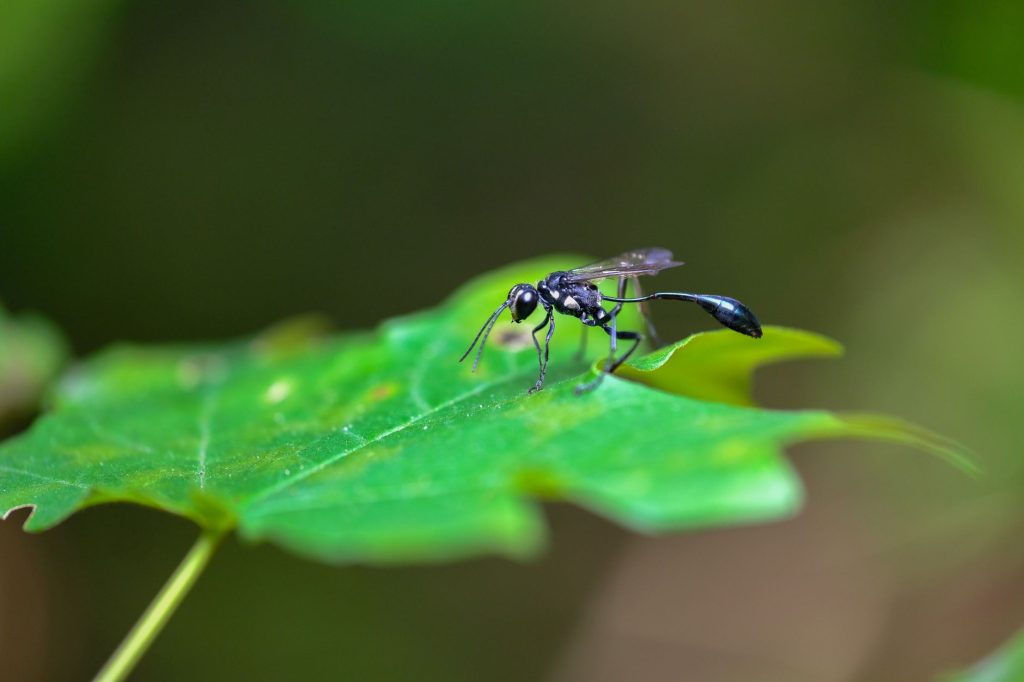
Bug Bites in North Carolina can cause costly problems when early signs are missed. Learn the signs, risks, and when to call Sage Pest Control.
Key Takeaways About North Carolina Bug Bites
- Several insects and arthropods in North Carolina can bite or sting, and their marks may look similar to one another, making correct identification an important first step.
- Reactions to bug bites range from mild skin irritation and itching to allergic responses that may include a rash or swelling, so knowing what bit you helps guide your next move.
- Reducing exposure through basic prevention habits around your home and yard can lower the chances of repeated bites throughout the season.
- When bites persist or you cannot identify the source, a professional inspection can help pinpoint the pest and outline a targeted plan.
How to Identify North Carolina Bug Bites
Figuring out what bit you is the first step toward knowing what to do next. Many bites look similar at first glance, and North Carolina homes can host a range of biting pests throughout the year. Below is a breakdown of what to look for, where to check, and how to avoid common misidentifications.
How to Tell Bug Bite Types Apart in North Carolina
One of the biggest challenges is that bites from different arthropods can look nearly identical. According to UC IPM, bites or stings from ticks, fleas, bees, wasps, bedbugs, mosquitoes, conenose (kissing) bugs, deer flies, horse flies, and water bugs may all be mistaken for spider bites. Before assuming the worst, take note of the bite’s location on your body, the time of day it appeared, and whether bites are clustered or isolated.
Conenose bug bites, for example, usually show up as several grouped bites on the face, neck, arms, legs, or sometimes the chest, and they typically occur at night. Bed bug bites also tend to appear in linear patterns, often on the trunk of the body, and may take anywhere from a few hours to as long as nine days to become visible. Not everyone reacts to bed bug bites, so one person in a household may notice marks while another does not.
How to Spot Bug Bite Activity Inside Your North Carolina Home
Waking up with unexplained bites, especially grouped or patterned marks, can point to nighttime feeders like bed bugs or conenose bugs. Check along mattress seams, box springs, and headboards with a flashlight. Small red dots of blood on sheets or brown spots near seams are signs of bed bug activity. Research indicates that Research indicates that approximately 80% of bed bugs are found within three to five feet of your bed’s headboard, so inspections should focus on the mattress, box spring, bed frame, and headboard..
Be cautious about descriptions that do not match real arthropod behavior. Claims of “tiny invisible bugs,” bugs “coming in or out of skin,” “jumping,” biting “only after 5:00 PM,” or “changing color” lack support from known arthropod behavior. If your symptoms do not match a recognizable bite pattern, a non-pest cause may be worth exploring.
Where Bug Bite Activity Shows Up Around North Carolina Homes
Inside, the most common areas to find biting pest evidence are bedrooms and living spaces where you spend time resting. Bed bugs gravitate to small fabric areas like the cracks between cushions, mattresses, box springs, and upholstered furniture. They also hide behind electrical outlets, picture frames, and even in textured ceilings. Hair follicle mites are found in most adults’ skin and are no real threat, so their presence alone is not a sign of a pest problem.
Exterior Entry Points That Lead to Bug Bite Problems Around North Carolina Homes
Many biting pests that show up indoors enter from outside. Conenose bugs, for instance, are active at night and may find their way into bedrooms through gaps around doors or windows. Fleas, ticks, and other outdoor biters can hitch a ride on clothing or belongings. Keeping an eye on where bites first appear, and whether they happen during the day or night, helps narrow down both the pest and the likely entry path.
Why Bug Bite Problems Develop in North Carolina
Bug bites around your North Carolina home usually trace back to a handful of conditions that draw biting pests close to where you live. Understanding what creates that overlap between pest habitat and your daily routine can help you see why bites seem to appear out of nowhere.
Outdoor Nesting Areas for Bug Bites Around North Carolina Homes
Several biting pests build their homes right alongside yours. Red imported fire ants, which are not native to the United States, build easily distinguishable mounds in sunny, often disturbed habitats such as yards, parks, and playgrounds. According to the University of Georgia pest guide, these ants inflict a painful sting when their mounds are disturbed. Bird and rodent mites, measuring roughly one millimeter, can disperse from nests on or near your home and occasionally bite people.
Food and Shelter That Attract Bug Bites Around North Carolina Homes
What draws biting pests closer depends on what they feed on. Mosquitoes, typically two to four millimeters long, feed on blood and are attracted to exposed skin. Thrips are tiny plant-feeding insects, only one to two millimeters, that primarily feed on vegetation in your yard or garden. While thrips are not after you, they can land on skin and deliver occasional bites that cause temporary, minor irritation. Bird and rodent mites rely on animal hosts, so nests tucked into eaves or wall voids can put mites within reach of living spaces.
How Bug Bites Move Around North Carolina Homes
Most of these pests do not stay in one spot. According to Texas A&M AgriLife Extension, bird and rodent mites disperse from nests and may bite humans occasionally once their preferred hosts leave or a nest is abandoned. Mosquitoes move across your property wherever standing water supports breeding. Fire ant colonies can also shift locations over time, establishing new mounds in freshly disturbed soil.
Common Trails and Entry Points for Biting Bugs in North Carolina
Biting pests reach you through different pathways. Mosquitoes fly to wherever they detect a blood meal on exposed skin, making outdoor living areas a common encounter zone. Mites from bird or rodent nests may travel along walls, ceilings, or gaps where nests connect to interior spaces. Fire ants stay at ground level, but their mounds can appear near walkways and doorways, putting you in contact with them during everyday activities. Thrips may drift onto skin while you spend time near plants they are feeding on.
Risks From North Carolina Bug Bites
Not every bug bite in North Carolina carries the same level of concern, but some can lead to real health problems if you overlook them. Understanding which bites pose a genuine risk helps you respond quickly and protect your household.
Health Risks Linked to North Carolina Bug Bites
Tick bites are among the most concerning because they can transmit diseases such as Lyme disease and Rocky Mountain Spotted Fever. According to Purdue Extension, early symptoms of Lyme disease can be mild and overlooked. Flu-like symptoms, chills, fever, and fatigue are often experienced, along with a red, expanding rash. More than one rash may appear, and they do not always show up at the site of the tick bite.
Venomous spider bites are rare, but symptoms can range from mild to severe. If you notice multiple lesions in the same area, that typically rules out spider involvement and may point to a different cause.
Flea bites concentrate on the lower legs and require an animal host to sustain an active population. While flea bites are more of a nuisance, repeated biting can cause ongoing discomfort for you and your pets.
Property Damage Linked to bug bites in north
Biting pests themselves do not usually cause structural or property damage. The real cost tends to be indirect. Flea populations that build up around animal resting areas can become difficult to manage without addressing the host animal. Tick populations in yards can make outdoor spaces less enjoyable, especially during warmer months.
Food Areas and Bug Bite Activity in North Carolina Homes
Some biting bugs behave differently than pests that target food areas. As UC IPM notes, unlike most fly- and tick-transmitted diseases, the bug bite itself does not transmit the organism or disease. This means the concern around kitchens and pantries is less about disease transfer from a bite and more about identifying what pest you are dealing with.
When to Look Closer at Bug Bite Activity in North Carolina
Any time you notice recurring bites, it is worth identifying the source. Lyme disease symptoms can be mild enough to dismiss at first, so a pattern of tick bites deserves extra attention. Spider bites are rare, and multiple marks suggest a different pest entirely. Flea bites grouped around your ankles point toward an animal-host issue that needs to be addressed at the source.
Professional Pest Control for Bug Bites in North Carolina
When bug bites keep showing up, the first step is figuring out what is causing them. Some bites come from pests that are easy to manage on your own, while others point to an issue that needs professional attention. Knowing what to do before and after a bite, and understanding when to bring in help, can save you time and repeat treatments.
How to Reduce Attractants for bug bites in north
Many biting pests end up close to your skin by accident. Some can give a painful bite when trapped against the skin, so keeping clothing, bedding, and linens clean and inspected is a practical first step. Shake out items that have been sitting in storage, and avoid leaving piles of fabric on the floor where pests can hide.
Simple first aid also plays a role in prevention. According to UC IPM, washing a spider bite and applying ice, ice water, or cold compresses can reduce swelling and discomfort. Having a basic first-aid plan ready means you can respond immediately if someone in your home gets bitten.
Why Bug Bite Control in North Carolina Starts With Inspection
Not every bite has the same cause, and some sources are harder to identify than others. The scabies mite, for instance, is the only type that lives and feeds in human skin and causes itching in most cases. According to Texas A&M AgriLife Extension, scabies requires medical diagnosis and prescription treatment, so a pest control inspection can help rule out other causes and point you toward the right next step.
A thorough inspection looks at common hiding areas around beds, furniture, and baseboards. Sage Pest Control’s state-certified inspectors scrutinize these spots, often using photos and bite patterns to help narrow down what is going on. This kind of detail matters because different pests call for very different responses.
What to Expect During Professional Bug Bite Treatment in North Carolina
For brown recluse spider bites that do not develop severe symptoms, the recommended first aid is straightforward: RICE therapy (rest, ice, compression, elevation). That approach works for most cases. But when bites keep appearing, the underlying pest population needs to be addressed professionally.
Sage Pest Control uses a tri-annual program with product rotation to help prevent resistance. Treatments rely on GreenPro-certified, EPA-standard, low-impact products. Same-day service is guaranteed, and text-first communication means you can expect a response in under one minute.
What to Expect From a North Carolina Bug Bite Control Plan
A control plan from Sage Pest Control starts with identifying the pest behind the bites. For bed bugs specifically, that process includes a phone consultation or on-site inspection, a detailed preparation sheet for your home, and targeted treatment that begins at the farthest point in the room and works back toward the exit.
Bed bug treatments include a complimentary two-week follow-up visit and a 90-day unlimited warranty from the date of the initial service. Pricing starts at $300 per bedroom plus $300 for the rest of the home. With 2,500+ five-star reviews and coverage of 50+ pest types across Charlotte, Raleigh, and Greensboro, your home is backed by 2,500+ five-star reviews and technicians covering 50+ pest types.
Bottom Line on Bug Bites in North Carolina
Identifying the source of a bug bite matters more than most people realize. Many bites look similar on the skin, and jumping to conclusions about the culprit can lead to the wrong response. Knowing where bites appear on your body, when they show up, and how they feel gives you a much better starting point. If bites keep appearing or you are unsure what is causing them, reach out to Sage Pest Control for same-day service and a thorough inspection of your home.
Frequently Asked Questions About bug bites in north
How Can I Tell What Bit Me?
Location on your body is one of the best clues. Flea bites tend to concentrate on the lower legs, while bites from conenose bugs often appear on exposed areas of skin during sleep. Multiple lesions appearing at once may actually rule out a spider bite. Paying attention to the pattern and timing of bites can help narrow down the source.
Should I Be Concerned About Disease From a Bug Bite?
The level of concern depends on the type of pest involved. Many common household bug bites cause temporary irritation rather than serious health issues. If you notice unusual symptoms or reactions beyond the bite area, consulting a medical professional is a reasonable step.
What First Steps Should I Take After a Bite?
For most bites, washing the area and applying a cold compress can help reduce swelling and discomfort. Avoid scratching, which may lead to secondary irritation. Monitor the bite over the following days for any changes.
When Should I Call a Pest Control Professional?
If you are finding new bites regularly, noticing pest activity in your home, or simply cannot determine what is biting you, a professional inspection can provide clarity. Sage Pest Control covers 50+ pest types and offers same-day service across Charlotte, Raleigh, and Greensboro to help you get answers the same day.
