
Common bugs of Virginia narrow down to a handful of species that account for most of the encounters homeowners actually have, whether that’s a cluster of red-and-black insects sunning themselves on a wall, ants trailing across a kitchen counter, or mosquitoes crowding a backyard at dusk. Most of these species are harmless nuisances, though a couple can cause real structural damage or carry disease. This guide covers how to identify each one and what actually draws it toward a home.
Key Takeaways
- A small number of species account for most common bug encounters in Virginia homes, including boxelder bugs, Asian lady beetles, carpenter ants, odorous house ants, cockroaches, silverfish, stink bugs, and mosquitoes.
- Carpenter ants are the one species on this list capable of real structural damage, distinguished from termites by a narrow waist and elbowed antennae rather than straight ones.
- Cockroaches and mosquitoes carry the most genuine health concerns on this list, from bacteria and allergens to mosquito-borne diseases like West Nile virus, while the rest are nuisances rather than a real risk.
Common Bugs of Virginia: The Species Homeowners Actually Encounter
A small number of species account for most common bug encounters in Virginia homes. Line them up by size and color, then check the risk field to see which ones are just an annoyance and which one is worth acting on.
/01
Carpenter ant
/02
American cockroach
/03
German cockroach
/04
Boxelder bug
/05
Asian lady beetle
/06
Odorous house ant
Carpenter ants are the only one here that can actually cost you in repairs, and cockroaches carry the real health concern. The rest come down to how much clustering and odor you’re willing to put up with.
Virginia’s climate and landscape support an enormous range of insects, but only a handful show up often enough in and around homes to be worth knowing by sight. The sections below cover the ones most likely to actually turn up on a wall, in a pantry, or crawling across a bathroom floor.
Boxelder Bugs
Boxelder bugs are one of Virginia’s most recognizable seasonal nuisances, easy to identify by sight and by the sheer number that can show up at once. Knowing what draws them together explains why they’re rarely seen alone.
Identifying Boxelder Bugs
Boxelder bugs are black with distinct reddish-orange markings along the edges of their wings, measuring about half an inch long with a flattened, oval shape. They’re most closely associated with boxelder, maple, and ash trees, where they feed on seeds and leaves without causing meaningful damage to the tree itself.
Why Boxelder Bugs Gather in Large Numbers
Boxelder bugs cluster together on sun-warmed surfaces, especially the south- and west-facing sides of a house, as temperatures cool in fall. That clustering behavior is what makes them noticeable in the first place, since a wall covered in dozens of boxelder bugs at once draws far more attention than a single insect would.
Asian Lady Beetles
Asian lady beetles get mistaken for native ladybugs constantly, but a few clear differences separate them once you know what to look for. Their behavior around a home also sets them apart from the harmless garden insect most people picture.
Identifying Asian Lady Beetles
Asian lady beetles resemble native ladybugs but tend to be larger, with more variation in color from orange to red, and a distinctive black “M” or “W” marking behind the head. Unlike native ladybugs, they’re an introduced species originally brought to North America to help control agricultural pests.
Asian Lady Beetle vs. Native Ladybug
Beyond color variation, Asian lady beetles are drawn specifically to light-colored exterior surfaces and congregate in areas that get strong afternoon sun, much like boxelder bugs do. When disturbed or crushed, they release a yellowish defensive fluid with a sharp odor that can stain fabric and surfaces, a trait native ladybugs don’t share to the same degree.
Carpenter Ants
Carpenter ants are the one species on this list where correct identification actually matters for the wallet, not just curiosity. Confusing them with termites, or the reverse, can lead to the wrong kind of treatment entirely.
Identifying Carpenter Ants
Carpenter ants are large, typically black or a combination of black and red, and often mistaken for termites when winged reproductive ants appear indoors. A narrow, pinched waist and bent, elbowed antennae are the clearest identifying features, along with wings of noticeably unequal length on the reproductive forms.
Carpenter Ants vs. Termites
Unlike termites, carpenter ants don’t eat wood; they excavate it to build smooth, clean galleries for nesting, often in moisture-damaged or decaying wood first. Piles of fine, sawdust-like material near a nesting site, sometimes called frass, are a telltale sign of an active colony that termites don’t leave behind in the same way.
Odorous House Ants
Odorous house ants are one of the most common ant complaints in Virginia homes, distinct from the larger, wood-damaging carpenter ant covered above. Their most memorable feature makes identification almost effortless once you’ve encountered one.
Identifying Odorous House Ants
Odorous house ants are small, dark brown to black, and easy to overlook until crushed, at which point they release a distinctive foul odor often compared to rotting coconut. They typically show up indoors following rain events that disturb their shallow outdoor colonies, sending workers inside in search of food and drier ground.
Odorous House Ants vs. Carpenter Ants
Size is the fastest way to tell them apart: odorous house ants are noticeably smaller than carpenter ants and lack the structural threat carpenter ants pose, since they don’t excavate wood at all. Odorous house ants are drawn indoors primarily by food, especially sweets, while carpenter ants are drawn by moisture-damaged wood suitable for nesting.
Cockroaches
Two cockroach species account for nearly all indoor sightings in Virginia, and telling them apart matters since their habits differ significantly. Knowing which one is present also explains why they carry more of a health concern than most bugs on this list.
Identifying Cockroaches
The German cockroach is the most common indoor species statewide, light brown with two dark stripes behind the head, typically under an inch long, and most often found in kitchens and bathrooms. The American cockroach is considerably larger, reddish-brown, and more commonly found in basements, crawl spaces, and utility areas, sometimes called a palmetto bug in casual conversation.
Why Cockroaches Are a Health Concern
Cockroaches don’t bite, but they’re known carriers of bacteria like Salmonella and E. coli, and their shed skins and droppings can trigger asthma and allergy symptoms, particularly in children. German cockroaches move into living spaces from cracks, drains, and gaps around plumbing, especially during wet weather when outdoor conditions push them to seek drier ground indoors.
Silverfish
Silverfish look distinct enough that misidentifying one is rare, but what actually draws them indoors is less obvious. Both their appearance and their preferred conditions matter for dealing with them effectively.
Identifying Silverfish
Silverfish have a distinctive silvery, scaled body that tapers from head to tail, with long antennae and three tail-like appendages at the rear. They move in a quick, fish-like wriggling motion when disturbed, which is where the common name comes from.
What Draws Silverfish Indoors
Silverfish need high humidity to survive and are most often found in bathrooms, basements, and other damp areas of a home. They feed on starches and sugars found in paper, book bindings, wallpaper paste, and some fabrics, which is why an infestation often shows up first as small irregular holes or yellowish stains on stored paper goods.
Stink Bugs
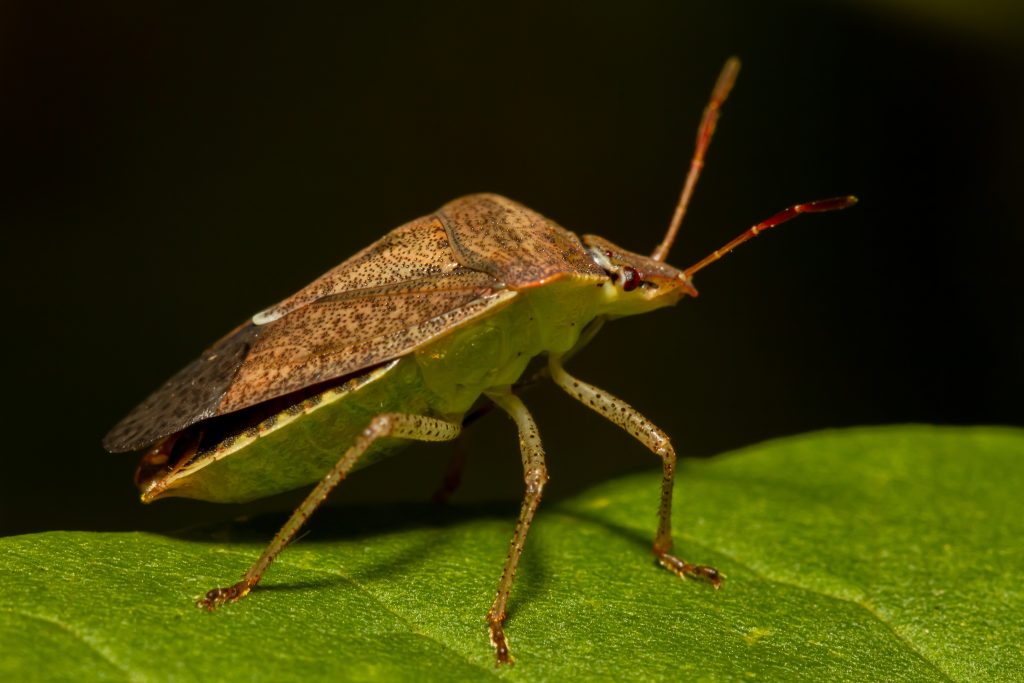
Stink bugs are shield-shaped, mottled brown insects that become a fall nuisance as they seek shelter indoors ahead of winter, entering through cracks as small as a sixteenth of an inch around windows, doors, and vents. They don’t bite or cause structural damage, but disturbing or crushing one releases the pungent odor the species is named for.
Mosquitoes
The Asian tiger mosquito is the species Virginia homeowners encounter most often, distinguished by bold black-and-white stripes and daytime biting activity, unlike many mosquito species that feed mainly at dusk and dawn. Virginia is home to dozens of mosquito species overall, and a handful, including the Asian tiger mosquito, are capable of transmitting West Nile virus and other illnesses, though most bites cause nothing beyond an itchy welt. Removing standing water around a property, the source mosquitoes actually need to breed, is the single most effective step toward reducing their numbers.
Where These Bugs Are Found Around Your Home
Boxelder bugs and stink bugs both favor sun-exposed exterior walls before working their way in through small gaps around windows, doors, and siding. Asian lady beetles follow a similar pattern outdoors but tend to overwinter in wall voids and attics once inside, sometimes emerging in warm spells during winter months. Carpenter ants nest in moisture-compromised wood, both outdoors in old stumps or firewood and indoors around leaky windows, door frames, or plumbing, while odorous house ants trail indoors from shallow outdoor colonies in search of food, especially after rain. German cockroaches stay close to kitchens and bathrooms, while American cockroaches favor basements, crawl spaces, and utility areas instead. Silverfish stay hidden in damp, low-traffic indoor spaces like basements, bathrooms, and closets, rarely venturing into brightly lit or frequently disturbed rooms. Mosquitoes breed and gather wherever standing water collects outdoors, including clogged gutters, plant saucers, and low spots in a yard.
Preventing Common Bug Problems
Sealing cracks and gaps around windows, doors, siding, and utility penetrations reduces entry points for nearly every species on this list. Reducing exterior moisture, fixing leaky plumbing, and running dehumidifiers in damp basements addresses the conditions that draw in silverfish, carpenter ants, and cockroaches specifically. Keeping firewood and mulch away from the foundation removes outdoor harborage that several of these species rely on before making their way indoors, and storing food in sealed containers helps with both ants and cockroaches. For mosquitoes, emptying or removing anything that collects standing water around a yard eliminates their breeding sites directly.
When a Common Bug Problem Needs a Professional
An occasional boxelder bug, stink bug, or silverfish indoors rarely signals a larger problem. Carpenter ants are the exception worth taking seriously at any scale, since a single sighting of winged reproductives indoors can indicate an established colony already causing damage. Ongoing cockroach sightings, especially German cockroaches in kitchens, and mosquito populations that persist despite removing standing water are also worth addressing directly, along with large seasonal clusters of boxelder bugs or Asian lady beetles.
Get Pest Control for Your Virginia Home
Sage Pest Control’s general pest control service across Virginia addresses these common household bugs, from seasonal nuisance species to the moisture and entry-point conditions that draw them indoors. Sage is GreenPro certified and offers same-day service 90 to 95 percent of the time, with free re-services if activity returns between scheduled visits. Visit Sage Pest Control or contact the team to schedule an inspection.
Frequently Asked Questions
Do carpenter ants mean I have termites too?
Not necessarily, but the two problems sometimes overlap since both are drawn to moisture-damaged wood. Carpenter ants and termites are separate issues with different treatment approaches, so confirming which one is actually present, based on the narrow waist and elbowed antennae carpenter ants have, matters before deciding how to respond.
Are boxelder bugs or Asian lady beetles dangerous?
No, both are considered nuisance pests rather than a genuine risk. Asian lady beetles can deliver a mild pinch and release a foul-smelling stain when crushed, and boxelder bugs can leave a similar stain, but neither species bites in a way that causes real harm or spreads disease.
Why do I see these bugs mostly in fall and spring?
Temperature drives most of this activity. Boxelder bugs, Asian lady beetles, and stink bugs all seek shelter as fall temperatures drop, then become active again and sometimes reappear indoors during warm spells in late winter or early spring before finally heading back outside for the season.
Are cockroaches or mosquitoes in Virginia actually a health risk?
Yes, more than most other species on this list, but the risk scales with exposure. Someone with asthma or a compromised immune system faces more real risk from a cockroach infestation than an occasional sighting would suggest, and anyone spending significant time outdoors at dusk faces more mosquito exposure than someone who mostly stays inside during peak activity hours. Neither is cause for panic, but both are worth acting on rather than tolerating indefinitely.
