
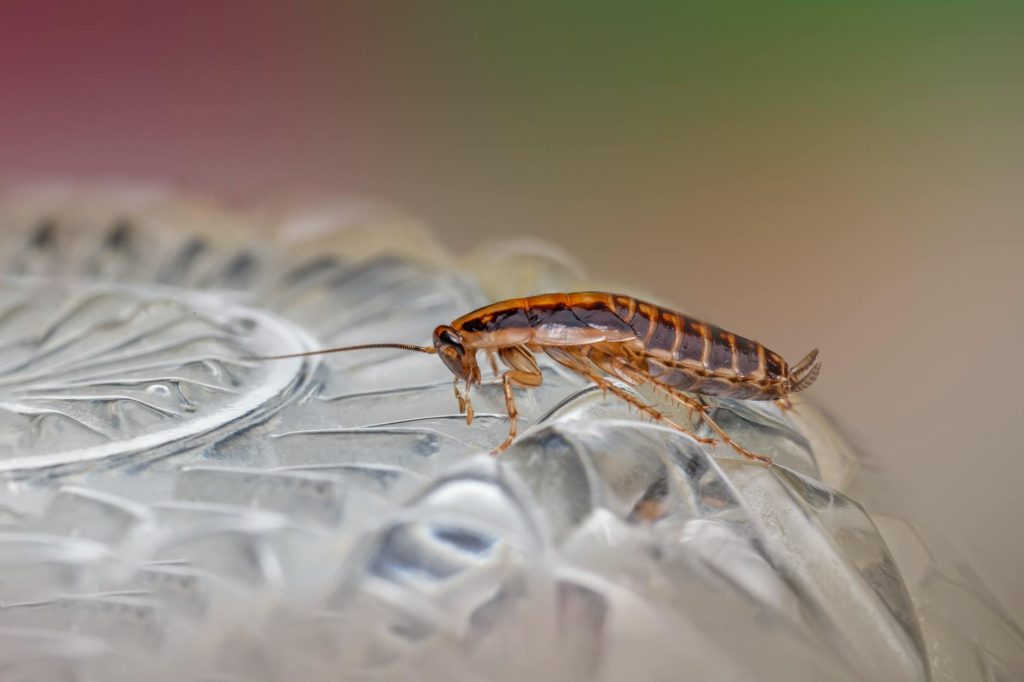
Find out do roaches have wings. Learn what to look for, why it matters, and when to call Sage Pest Control to avoid costly problems.
Key Takeaways About Winged Roaches
- Some cockroaches have wings, but whether they actually fly depends on the species. A few can fly short distances or glide, while many roaches have reduced wings or none at all.
- Knowing which type of roach you are dealing with matters. Species vary in appearance, behavior, and where they prefer to live, so identifying the cockroach first helps you choose the right response.
- Cockroaches can pose hygiene concerns inside your home, and certain species may move indoors when outdoor conditions change.
- Reducing entry points and keeping your home clean are practical first steps, though persistent roach activity may call for professional treatment.
Do Roaches Have Wings?
The short answer: most cockroach species do not fly. According to UC IPM, a few species can fly short distances or glide as adults during warm nights, but most have no wings, reduced wings, or otherwise do not fly. That means the roach you spot scurrying across your kitchen floor probably will not take flight, but knowing which species you are dealing with matters because management options vary according to species.
How to Tell Roach Wing Types Apart
Not all wings are created equal. Some cockroach species carry full-length wings that lie flat against the body, yet they still never fly. Others have reduced wings or none at all. The Asian cockroach is a notable exception. It flies and is attracted to light, which distinguishes it from most cockroach species that prefer darkness.
Because wing presence alone does not tell you much, it is important to identify the cockroach species before taking action. German and brownbanded cockroaches live and breed entirely indoors, while American, Oriental, and Turkestan cockroaches typically live outdoors but can temporarily invade indoor spaces. Each group looks different up close, and the right approach depends on the species you are seeing.
How to Spot Winged Roach Activity Inside Your Home
Sticky traps are one of the simplest tools for catching roaches and confirming the species. According to UC IPM, cockroach sticky traps are useful for catching roaches so you can get a closer look at their body shape, wing length, and coloring. Place traps along walls and near warm, humid areas where certain species tend to gather.
Indoor species such as the German cockroach favor warm, humid atmospheres, often in the range of 70 to 75 degrees Fahrenheit. If you are finding roaches near kitchens or bathrooms, that preference for warmth and moisture may explain the pattern.
Where Winged Roach Activity Shows Up Around Homes
Outdoor species can show up inside without truly moving in. American, Oriental, and Turkestan cockroaches may temporarily invade indoor spaces while still living primarily outdoors. You might notice them in garages, basements, or lower-level rooms closest to exterior doors. Identifying the cockroach species before taking action helps you figure out whether the issue is an outdoor visitor or an indoor breeding population.
Exterior Entry Points Roaches Use
Species that live outdoors can wander inside through gaps around doors, foundation cracks, and utility openings. A few species may fly or glide short distances during warm nights, which can bring them closer to exterior lighting and open entry points. The Asian cockroach, for example, is attracted to light and readily flies, so porch lights and lit windows can draw it toward your home.
Knowing whether your roach is an indoor breeder or an occasional outdoor invader shapes what comes next. The species determines the approach, so start by identifying what you are seeing before deciding on a plan.
Why Winged Roach Problems Develop
Winged roaches showing up inside your home usually means conditions outside have pushed them to look for something better. Understanding where these pests nest, what draws them in, and how they get through your walls helps you stay a step ahead.
Outdoor Nesting Areas for Winged Roaches
American cockroaches prefer moist, shady spots outdoors. Hollow trees, wood piles, and mulch beds are common nesting areas. They sometimes appear under roof shingles and in attics. Woods roaches live under the loose bark of dead trees, logs, or stumps and sometimes wander into homes built in or near wooded areas, though they do not thrive indoors.
Food and Shelter That Attract Winged Roaches
Food availability is one of the biggest draws. American cockroaches are attracted to fermenting food. According to the University of Minnesota Extension, they favor items like bread soaked with beer. They sometimes appear in homes but are more common in restaurants, grocery stores, bakeries, and other locations where food is prepared or stored.
Because American cockroaches may come into contact with human excrement in sewers or with pet droppings outdoors, they can carry bacteria that cause food poisoning, including Salmonella spp. and Shigella spp. That connection between outdoor nesting and food contamination is one reason their presence matters.
How Winged Roaches Move Around Homes
Not every winged roach uses its wings the same way. Oriental cockroach males have short wings that do not completely cover the abdomen and cannot fly, while females have only small, vestigial wing pads and are also flightless. American cockroaches dwell outside but will wander indoors to search for food and water or to avoid extreme weather conditions. That search for resources is what typically brings winged roaches through your door.
Trails and Entry Points Roaches Use
Roaches that nest in sewers, mulch, or wood piles can follow moisture trails toward your home’s foundation. American cockroaches move from these outdoor habitats inside when food, water, or shelter becomes scarce or when weather drives them to seek cover. Keeping an eye on areas where outdoor nesting sites sit close to your home gives you the best chance of spotting activity early.
Risks From Winged Roaches
Whether or not a roach can fly, the real concern is what it does once it lands. Several cockroach species are regarded as pests, including the German cockroach, American cockroach, oriental cockroach, and brown-banded cockroach. Each one can create problems in your home that go beyond the initial startle of watching a roach glide across a room.
Health Risks Linked to Winged Roaches
Winged or not, cockroaches are pests that move between unsanitary areas and living spaces. Species like the American cockroach and oriental cockroach may travel through drains and damp areas before entering your home. That movement pattern is what makes them a concern for the surfaces and spaces your family uses every day.
German cockroaches spend their lives indoors, according to Texas A&M AgriLife Extension. Because they stay inside, they can multiply in the same areas where you prepare and store food, raising the stakes for ongoing exposure.
Property Damage From Winged Roaches
A growing roach population puts pressure on your living space. Multiple species, including the brown-banded cockroach and the smokybrown cockroach, are recognized pests that can establish themselves in different areas of a home. The longer these pests go unaddressed, the harder they can be to manage.
Droppings and shed skins accumulate as numbers grow, and these signs often appear in hidden spots like cabinets and wall voids before you notice them in the open.
Food Areas and Winged Roach Activity
Kitchens and pantries are high-traffic zones for indoor pests. German cockroaches in particular favor warm, indoor environments and tend to concentrate near food preparation areas. Winged species like the American cockroach may also enter kitchens from exterior entry points, especially through plumbing gaps.
Keeping food areas clean matters, but understanding which species you are dealing with helps you respond in the right way. Some pests stay put once they arrive indoors, while others may come and go.
When to Look Closer at Winged Roach Activity
Seeing a single winged roach does not always mean you have an infestation, but it is worth paying attention. Several common pest species, including the American cockroach, German cockroach, oriental cockroach, brown-banded cockroach, and wood cockroaches, can show up in or around homes. Identifying which species is present helps you understand whether the issue is an occasional visitor or a population that has already settled in.
If you are spotting roaches repeatedly, especially in kitchens, bathrooms, or near drains, that pattern suggests more than a one-time encounter. Early attention gives you better options for managing these pests before numbers climb.
Professional Pest Control for Winged Roaches
Knowing whether roaches have wings helps you understand how they move into your home, but managing them takes more than identification. When winged cockroach species like American, oriental, or Turkestan roaches show up in numbers, a structured approach that covers prevention, inspection, and targeted treatment gives you the best path forward.
How to Reduce Attractants for Winged Roaches
Winged roaches often move toward buildings when outdoor populations grow large. Reducing what draws them in is a practical first step. Keep entry points like door sweeps and weatherstripping in good shape, since these species may fly or glide short distances to reach openings.
Store food in sealed containers and address moisture sources around your home. Roaches that can fly tend to be the larger outdoor species, so limiting harborage areas near your foundation, such as leaf litter or stacked materials, can make your home less appealing.
Why Winged Roach Control Starts With Inspection
Before any treatment, a thorough inspection helps identify which species you are dealing with and where they are harboring. This matters because winged species like American and oriental cockroaches often nest in different areas than indoor-only species.
Sage Pest Control’s service professionals look for harborage sites where these roaches gather. Identifying those spots is the foundation of a targeted approach. When populations of oriental, Turkestan, or American cockroaches are high and moving into buildings, knowing exactly where they are concentrating makes every next step more precise.
What to Expect During Professional Winged Roach Treatment
According to UC IPM, treatment of harborage sites for oriental, Turkestan, and American cockroaches may be required when populations of these species are high and cockroaches are moving into buildings. That means treatment focuses on the specific areas where roaches shelter and breed rather than blanket coverage.
Sage Pest Control uses EPA-standard, GreenPro-certified products and rotates them through a tri-annual program. Product rotation helps prevent resistance, so the approach stays consistent over time. Same-day service means you do not have to wait when you notice winged roaches appearing indoors.
What to Expect From a Winged Roach Control Plan
A control plan for winged cockroach species typically includes recurring visits rather than a single treatment. Sage Pest Control’s tri-annual program addresses the ongoing nature of roach management, with service professionals returning to reassess harborage sites and adjust as needed.
Because American, oriental, and Turkestan cockroaches can move into structures when outdoor numbers climb, a plan built around regular monitoring and targeted treatment of harborage areas addresses the root of the problem. Sage’s 2,500+ five-star reviews reflect a consistent, structured approach to keeping your home comfortable.
Bottom Line on Winged Roaches
Whether a roach can fly depends entirely on the species. Some have full wings and readily take to the air, others carry short or underdeveloped wings that serve no real flight purpose, and a few species have no wings at all. Knowing what you’re dealing with helps you understand how the pest entered your home and what steps make sense next.
If roaches keep showing up and you’re not sure which type you have, Sage Pest Control offers same-day service across Charlotte, Raleigh, Greensboro, and Virginia Beach to help you sort it out and put a plan in place.
Frequently Asked Questions
Can All Cockroaches Fly?
No. While some species have wings, many roaches either lack functional wings or have wings too short for flight. Wing presence alone does not mean a roach can fly. Some species have wings but rarely or never fly, while others are strong fliers.
How Can I Tell Which Roach Species I Have?
Wing size, body color, and behavior around light can all offer clues. Sticky traps placed near suspected activity areas can catch specimens so you can compare them to identification resources or show them to a pest professional.
Do Winged Roaches Mean an Infestation?
Not necessarily. Some winged cockroach species live outdoors and may wander inside temporarily without establishing a breeding population indoors. Others, however, live and breed entirely inside homes. Identifying the species helps determine how concerned you should be.
Should I Worry About Roaches That Fly Toward Lights?
Roaches drawn to light can be startling, but this behavior is more common in certain outdoor species. It does not automatically signal a large indoor problem, though repeated sightings near entry points are worth investigating further.
