
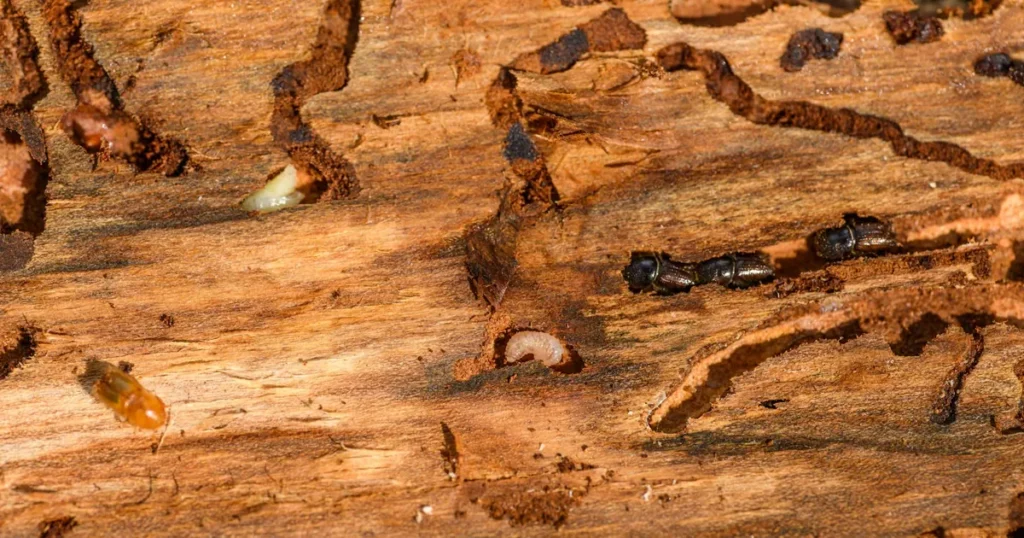
Termite protection in North Carolina is essential. Subterranean termites are active year-round and cause structural damage before most homeowners notice.
Key Takeaways
- North Carolina’s warm, humid climate keeps subterranean termites active year-round, making ongoing protection a practical necessity rather than an optional upgrade.
- Termites cause an estimated $40 billion in global property damage annually, with subterranean species responsible for roughly 80% of that total.
- Mud tubes on your foundation, hollow-sounding wood, and discarded wings near baseboards are the earliest visible signs of an active infestation.
- Two proven treatment options protect NC homes: the Trelona Advanced Termite Bait System and termiticide foundation trenching, each lasting two to five years.
- Annual inspections are the single most cost-effective step any North Carolina homeowner can take to catch termite activity before structural repairs become necessary.
Why Termite Protection in North Carolina Is Not Optional
North Carolina ranks among the most termite-active states in the country. The combination of humid summers, mild winters, and abundant wood-frame construction gives subterranean termites nearly ideal conditions to forage year-round. Unlike homeowners in colder northern climates who get a break during winter, NC homeowners face a pest that never fully goes dormant.
A comprehensive review published in Insects documents termites’ $40 billion global annual economic impact, with subterranean species responsible for approximately 80% of that damage. Most of that cost falls on individual homeowners, not insurers — standard homeowner policies exclude termite damage.
The practical consequence: if you own a wood-frame home in North Carolina, the question is not whether termites pose a risk. The question is whether you have a plan in place before they find your structure.
How Subterranean Termites in North Carolina Find Your Home
Eastern subterranean termites are the dominant species across North Carolina and Virginia Beach. They live in underground colonies and build mud tubes — pencil-width tunnels of soil and saliva — to travel between the ground and wood inside your structure. Those mud tubes are often the first visible sign that termites have already reached your home’s framing.
Termites enter through cracks in the foundation as narrow as a credit card’s edge, around plumbing penetrations, or anywhere wood contacts soil directly. Crawl spaces, slab seams, and floor joists sitting close to grade are all common entry points. NC State Extension Entomology tracks termite pressure across the state and consistently identifies eastern subterranean termites as the primary structural threat to NC homes.
Worker termites consume wood from the inside out, leaving a paper-thin outer shell intact. By the time walls flex, floors soften, or paint bubbles, the colony has often been feeding for months. A 2024 review of termite detection methods published in International Biodeterioration and Biodegradation confirms that visual inspection alone misses early-stage infestations — mud tubes in hidden areas often go undetected until damage is already present.
Signs of Termite Activity in North Carolina Homes
Mud tubes on foundation walls are the clearest signal that subterranean termites have reached your structure. Check the perimeter of your foundation, exposed concrete slabs, and any wood surfaces near the ground. Tubes that crumble dry when broken, then reappear within days, indicate an active colony.
Other early warning signs include hollow wood when you tap baseboards or door frames, unexplained damage that looks like water damage on interior walls, and discarded wings near windowsills or baseboards after a swarm. Termite swarmers, the black or orange winged reproductives, emerge in North Carolina from late winter through spring. Finding wings indoors means a swarm already occurred inside or very near your structure.
A thorough inspection covers the foundation, crawl space, attic, floor joists, plumbing penetrations, and any wood-to-soil contact points. If you see even one of these signs, do not wait. Termites do not leave on their own, and the colony grows larger the longer treatment is delayed.
Termite Treatment Options for North Carolina Homeowners
Bait Stations: Ongoing Termite Control in North Carolina
The Trelona Advanced Termite Bait System, manufactured by BASF, targets colonies within 15 to 45 days of initial bait contact. Stations are installed in the soil surrounding your home approximately every 10 to 20 linear feet. Each station comes pre-loaded with two bait cartridges containing Novaluron, an active ingredient that prevents termites from molting. Worker termites consume the bait and carry it back to other colony members through a process of direct contact and grooming.
The bait remains effective for two to four years under typical conditions. Sage inspects stations annually and replaces bait cartridges as needed. This system provides ongoing monitoring in addition to active colony control, which means you get early detection of new activity before it reaches your structure.
Foundation Trenching for North Carolina Subterranean Termites
Termiticide foundation trenching creates a continuous vertical barrier in the soil around your foundation walls. Technicians dig a trench along the foundation perimeter and apply a liquid termite treatment directly into the soil. Subterranean termites that contact or consume the treated soil die, and the treatment transfer effect allows exposed termites to spread it to unexposed colony members — similar to how a virus moves through a population.
Each foundation trenching application lasts approximately five years. At the end of that window, Sage recommends a new application or a transition to the Trelona bait system. Trenching is particularly well-suited to homes with slab construction, where concrete covers much of the soil adjacent to foundation elements, because the trench delivers the treatment at depth rather than relying on surface contact.
Pre-Construction Termite Treatment in North Carolina
Termite pre-treatments are the most cost-effective form of protection for new construction in North Carolina. Treatment is applied directly to the soil surface before concrete is poured for structural foundations. A blue dye is added to the treatment so building inspectors can verify correct application. Pre-treatments apply to residential foundations, home additions, remodels, commercial buildings, HOA structures, and government buildings.
Skipping the pre-treatment on new construction is a short-term savings that creates a long-term structural risk. Treating the soil before concrete is poured costs a fraction of what post-construction treatment requires — and a fraction of what structural repairs cost once termites reach the wood framing above the slab.
Termite Prevention Steps for North Carolina Homeowners
No treatment replaces good prevention habits, especially in a climate as termite-active as North Carolina’s. Start with a crushed rock barrier of at least 12 to 18 inches between your foundation and any soil or mulch. Wood mulch holds moisture and provides direct food contact at the foundation. Keeping it separated removes one of the most common points of termite entry.
Fix leaky pipes, repair air conditioning units that pool water near the foundation, and clear clogged gutters before each season. Moisture draws subterranean termites. A dry foundation perimeter is significantly less attractive than a damp one. Use exhaust fans in kitchens and bathrooms to reduce interior humidity, and inspect the crawl space for standing water after heavy rain.
Outside, remove leaf piles, wood mulch accumulations, fallen trees, and tree stumps as soon as possible. Termites establish themselves in dead wood and then extend their foraging into your structure. Fence posts and untreated wood in direct soil contact are also common entry routes worth monitoring annually.
When to Schedule a Termite Inspection in North Carolina
Schedule a termite inspection immediately if you see mud tubes, hollow wood, swarmers, or unexplained damage that resembles water staining. Do not wait for the next home maintenance cycle. Termite colonies grow continuously, and a colony that has been feeding for six months inside floor joists or wall framing has caused measurably more damage than one caught earlier.
For homes without current signs of activity, an annual inspection is the baseline standard. The EPA’s integrated pest management framework recommends regular monitoring as the foundation of responsible pest control, prioritizing early detection over reactive treatment. Annual inspections catch conducive conditions — wood-to-soil contact, moisture intrusion, cracks in foundation elements — before a colony finds them first.
North Carolina homeowners purchasing a new property should request a wood-destroying insect report as part of their inspection package. Many lenders require it. More importantly, it gives you an accurate picture of the structure’s current termite status before you take ownership.
Bottom Line on Termite Protection in North Carolina
Yes, you need termite protection in North Carolina. Subterranean termites are present across the state year-round, and wood-frame homes give them everything they need: soil access, moisture, and a continuous food source. The damage happens silently inside walls and floor joists, typically long before anything visible appears on the surface. By the time you see it, the repair bill is already climbing.
The good news is that proven protection exists. Bait systems like the Trelona Advanced Termite Bait System, foundation trenching, and pre-construction treatments each address different risk scenarios. Paired with annual inspections and basic moisture management, they give your home a defensible line against the most destructive pest in North Carolina. If you have not had a termite inspection in the past year, now is the right time to schedule one.
Frequently Asked Questions
How do I know if I have termites in my North Carolina home?
The most common early signs are mud tubes on foundation walls or concrete slabs, hollow-sounding wood when you tap baseboards or door frames, and discarded wings near windowsills or baseboards. Subterranean termites in North Carolina swarm primarily in late winter and spring. Finding wings indoors after a swarm is a strong indicator that a colony is already active in or near the structure. A professional inspection confirms whether activity is present.
How long does termite treatment last in North Carolina?
Treatment longevity depends on the method. Trelona bait cartridges remain effective for two to four years under typical conditions. Termiticide foundation trenching provides protection for approximately five years per application. Both require periodic monitoring, which is why annual inspections are part of any responsible termite protection plan.
Can I treat termites myself in North Carolina?
Retail products exist, but they rarely reach the colony. Subterranean termite colonies can contain hundreds of thousands of workers living deep in the soil, feeding through wall framing, floor joists, and other concealed wood. Topical sprays and store-bought baits do not penetrate to where the colony lives. Because you are unlikely to know when a DIY product has failed, an undetected colony continues feeding while you wait for signs that may not appear for months.
What attracts termites to a North Carolina home?
Moisture is the primary attractant. Leaky pipes, pooling water near the foundation, clogged gutters, and high crawl space humidity all create the conditions subterranean termites prefer. Wood-to-soil contact, including mulch against the foundation, fence posts set in soil, and untreated wood stored near the structure, gives termites a direct food source adjacent to your home. Removing moisture and soil contact points reduces risk significantly.
How much does termite protection cost in North Carolina?
Costs vary based on home size, construction type, and the treatment method. Sage provides specific pricing for bait systems and foundation trenching after a thorough inspection, since the perimeter footage and soil conditions affect what the job requires. Scheduling a free termite inspection is the starting point for getting an accurate quote for your specific property.
