
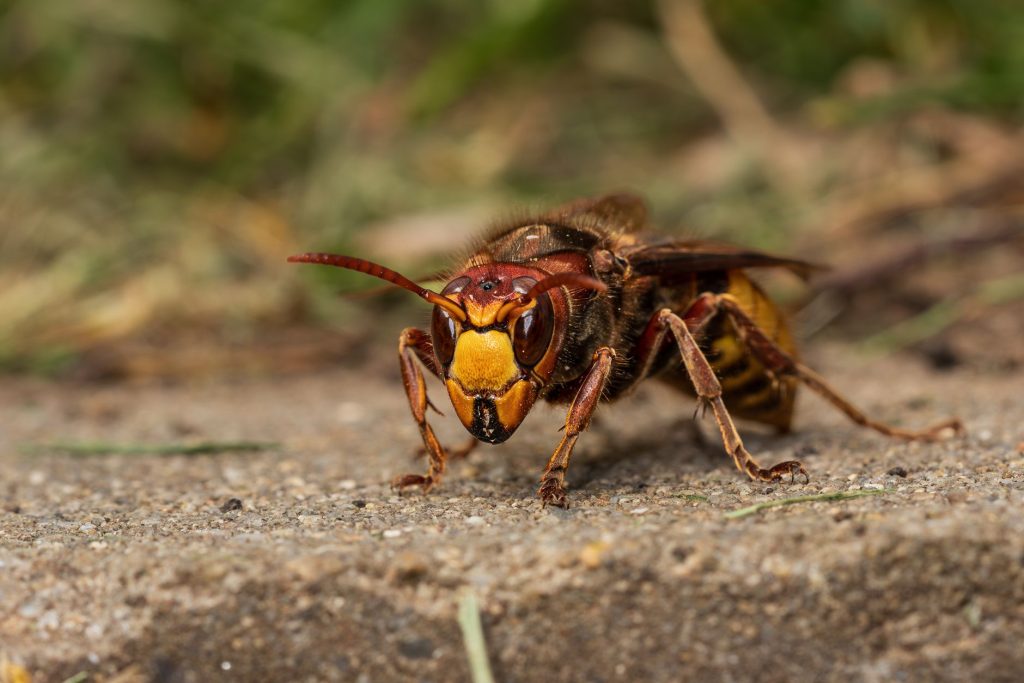
European Hornet in Virginia can cause costly problems when early signs are missed. Learn the signs, risks, and when to call Sage Pest Control.
Key Takeaways About European Hornets in Virginia
- European hornets are large insects that Virginia homeowners may spot around their property, and knowing how to identify them helps you decide on next steps.
- These hornets can sting when provoked, so nests near doorways or high-traffic areas of your home deserve attention.
- Reducing outdoor lighting that draws insects at night and limiting access to sheltered spaces around your home can help discourage hornet activity.
- When a nest is in a hard-to-reach or high-risk spot, a professional assessment can help you handle the situation without unnecessary stings.
How to Identify Virginia European Hornet
If you have spotted a large, buzzing insect around your Virginia home and you are not sure what you are dealing with, identification is the first step. European hornets are social wasps that live in populous colonies built around a paper nest. Each colony consists of an egg-laying queen and many sterile female workers. These colonies are annual, meaning a nest is used only during the single season it is built.
How to Tell European Hornet Types Apart in Virginia
Virginia is home to more than one hornet-like species, so knowing the differences matters. The baldfaced hornet, for example, is a large black and white species that builds a familiar large, grayish, pear-shaped nest, according to Purdue Extension. That nest typically hangs from trees or on the sides of buildings and features a thick paper envelope enclosing horizontally arranged combs inside.
European hornets look noticeably different from the baldfaced hornet, and Learning to distinguish between hornet-like species in your area helps you choose the right response. Some species are more aggressive than others and may fly several feet to sting someone near a nest site. The European hornet, however, is not particularly aggressive and typically stings only when threatened.
How to Spot European Hornet Activity Inside Your Virginia Home
You may first notice European hornets indoors when workers find their way inside through gaps in the structure. Finding papery nest material in a wall void, attic, or ceiling space is a strong sign of activity. If you suspect activity behind a wall, a pest control professional can inspect the area for signs of a hidden colony.
Where European Hornet Activity Shows Up Around Virginia Homes
Outdoors, most species can become a problem when they nest over doorways or in other areas of human activity such as fruit trees. Keep an eye out for steady flight paths leading to a single entry point on your home’s exterior or in a nearby tree hollow. A paper nest tucked into a sheltered spot on the side of a building is another common sign.
Exterior Entry Points European Hornets Use Around Virginia Homes
European hornets often take advantage of gaps that already exist on a home’s exterior. Openings around eaves, soffits, and gaps where utility lines enter the structure can give workers a direct route to nest sites inside wall voids or attics. Activity at these entry points tends to increase as the colony grows through warmer months.
If you notice repeated hornet traffic at any exterior gap, that is a strong sign that a nest is established nearby.
Why European Hornet Problems Develop in Virginia
European hornets are social wasps that sting to defend their colony. Understanding what draws them close to your Virginia home helps you recognize trouble spots before a nest grows into a nuisance.
Outdoor Nesting Areas for European Hornet Around Virginia Homes
Many types of wasps and hornets build paper and mud nests around homes, in the ground, or in shrubs. According to the University of Tennessee Extension, these nesting spots put hornets within close range of everyday foot traffic and outdoor living areas. Sheltered overhangs, tree hollows, and similar protected spaces can all become attractive nest sites.
Food and Shelter That Attract European Hornet Around Virginia Homes
European hornets are drawn to food sources near your property. Wasps and hornets may use honeydew as a food source, which means plants that produce sticky honeydew residue can pull hornets closer to your yard. Workers forage for food throughout the warmer months, and any accessible food near your home can keep them coming back.
Foraging workers may also enter a house in search of food, moisture, or nesting sites, particularly during hot, dry periods. Reducing food attractants outdoors and keeping windows screened can help limit these encounters.
How European Hornets Move Around Virginia Homes
Workers leave the nest to forage, and by midsummer their activity tends to ramp up as the colony grows. Increased worker movement around your home raises the chances of an unpleasant run-in. Late summer and fall can bring even more noticeable foraging activity near your doors and outdoor lights.
Trails and Entry Points European Hornets Use in Virginia
European hornets may follow consistent paths between their nest and food sources around your property. When nests are built close to the home, hornets can find their way inside through gaps, vents, or openings that line up with their foraging routes. Nests located away from where people live or work can actually be considered beneficial, and in those cases controls may not be needed. Nests near high-traffic areas, however, deserve closer attention.
Risks From European Hornets in Virginia
European hornets can pose real concerns when they set up near your Virginia home. Understanding the specific risks helps you decide how seriously to take a nest on or around your property.
Health Risks Linked to European Hornets in Virginia
The sting from a European hornet is a primary concern. Like yellow jackets and paper wasps, these hornets can pull out their stinger without injuring themselves, which means they can sting more than once. According to University of Minnesota Extension, the stinger is not left in your skin when one of these insects stings you.
The ability to deliver repeated stings raises the stakes around an active nest. Disturbing a colony, even by accident, can lead to multiple stings in a short period. A mishandled nest treatment can result in hospitalization or even death from excessive stings, as the University of Georgia pest guide notes.
Property Damage From European Hornet in Virginia
European hornets may build colonies inside wall voids, attics, and sometimes basements of homes. This structural nesting habit means the colony can grow out of sight for weeks before you notice it. According to Purdue Extension, the European hornet, like certain yellowjacket species, can establish colonies inside structures.
They may also overwinter in attics and building voids if they can gain access. In nature, they use hollow trees, loose bark of dead logs, and similar protected areas, but your home can serve the same purpose.
Food Areas and European Hornet Activity in Virginia Homes
Social wasps, including European hornets, capture insects such as flies, caterpillars, and beetle larvae. While this prey-catching behavior can be beneficial outdoors, it draws hornet activity closer to areas where people spend time. When colonies are near structures or areas of regular human activity, the chance of a sting rises enough that colony removal is warranted.
When to Look Closer at European Hornet Activity in Virginia
Pay attention if you notice repeated hornet traffic near your roofline, attic vents, or exterior wall gaps. These are common entry points for hornets looking to nest or overwinter inside building voids. Early awareness gives you more options before the colony grows larger and closer to living spaces.
Professional Pest Control for European Hornet in Virginia
Dealing with European hornets around your Virginia home can feel stressful, especially when a nest is tucked into a spot you cannot reach. Knowing how to reduce what draws them in, why a thorough inspection matters, and what professional treatment looks like can help you handle the situation with confidence.
How to Reduce Attractants for European Hornet in Virginia
European hornets may be active near structures, so reducing unnecessary outdoor lighting near entry points during evening hours can help make your property less inviting. Keep exterior doors and windows closed during evening hours when hornets are active. Seal gaps around eaves, soffits, and wall openings where hornets might find sheltered nesting spots.
Trimming vegetation away from the exterior of your home removes potential cover near the structure. These steps will not guarantee hornets stay away entirely, but they can reduce the chances of a colony settling close to living spaces.
Why European Hornet Control in Virginia Starts With Inspection
Nests can end up in hard-to-see locations, including within the walls of a house. A careful inspection identifies where the colony is established, how large it has become, and what approach makes the most sense for removal. Skipping this step can mean treating the wrong area or underestimating the scope of the problem.
Sage Pest Control’s service professionals look for nest entries, flight patterns, and signs of activity around the structure. This assessment shapes the treatment plan and helps avoid mistakes that can turn a removal attempt into a serious safety issue.
What to Expect During Professional European Hornet Treatment in Virginia
When nests are large or difficult to approach, the safest option is to have a pest control professional handle the colony, as UF/IFAS Extension notes. Any attempt by a homeowner to remove or destroy a nest should be done at night, when nest activity is at a minimum. Even then, the risk remains high for someone without proper training and equipment.
Given the serious sting risks noted by the University of Georgia pest guide, professional removal is the recommended approach over DIY efforts, particularly when a nest is within a wall void or another enclosed space.
What to Expect From a Virginia European Hornet Control Plan
Sage Pest Control builds a plan based on the inspection findings. Treatment is timed for when hornet activity is lowest, and the approach accounts for the nest’s size and location. The goal is to address the colony while keeping you and your household out of harm’s way.
With same-day service available and a team that responds in under one minute by text, Sage makes it easy to get help quickly when you spot hornet activity. The company’s GreenPro-certified, low-impact products align with EPA standards, and seasonal tri-annual programs with product rotation help address ongoing pest pressure around your Virginia home.
Bottom Line on European Hornet in Virginia
European hornets are worth keeping on your radar as a Virginia homeowner. They can sting when provoked, and nests near living spaces may call for professional attention. When a nest has grown large or sits in a difficult location, working with a pest control professional is the safest path forward. If you spot European hornet activity around your home, reach out to Sage Pest Control for same-day service and a plan tailored to your situation.
Frequently Asked Questions About European Hornet in Virginia
Are European Hornets Dangerous to People?
European hornets can sting if they feel threatened. They are not known for aggressively defending their nests the way some other social wasps do, but caution is still warranted when a nest is close to where you spend time outdoors or inside your home.
Should I Remove a European Hornet Nest Myself?
For large nests or nests in difficult locations, the safest approach is to hire a pest control professional. Attempting removal without proper protective gear and experience can increase the risk of stings. Nests well away from activity areas may not need removal at all.
When Are European Hornets Most Active?
European hornet colonies grow through the warmer months, and homeowners may notice increased activity near their home as summer progresses. Colonies grow through the warmer months, so homeowners may notice increased activity as the season progresses.
How Can I Reduce European Hornet Activity Around My Home?
Limiting access to potential nesting areas and managing outdoor lighting can help reduce encounters. Keeping entry points sealed and monitoring sheltered spots around your home gives you a head start on catching activity early.
