
Getting rid of gnats starts with finding the damp material where they are breeding. Traps can capture adults near a sink, window, trash can, or houseplant, but they do not remove eggs and larvae developing in moist soil, drain buildup, fermenting residue, or a concealed leak.
“Gnat” is a common name for several small flies with different habits. Fruit flies gather near produce and beverage residue. Fungus gnats stay close to houseplants. Drain flies develop in organic film inside plumbing, while phorid flies may lead you to decaying material or a hidden plumbing problem.
The right response depends on which fly you have and where its immature stages are developing. Instead of starting with a spray or homemade trap, watch where the adults collect, identify the likely species, and trace their activity back to the wet spot feeding the infestation.
Getting Rid of Gnats Starts With Identifying the Fly
Small flies can look nearly identical when they are moving around a room. Their body shape, behavior, and location provide more useful clues than size alone.
Fruit flies are usually tan or brown and may have noticeable red eyes. They tend to hover around ripe produce, trash, recycling, juice, beer, wine, and fermenting residue. If most activity is concentrated in the kitchen, inspect food storage and waste areas before assuming the flies are coming from a drain.
Drain flies have broad, fuzzy wings that give them a moth-like appearance. They are weak fliers and often rest on walls near sinks, showers, utility drains, or floor drains. Their limited flight range means the breeding site is often close to where you see the adults.
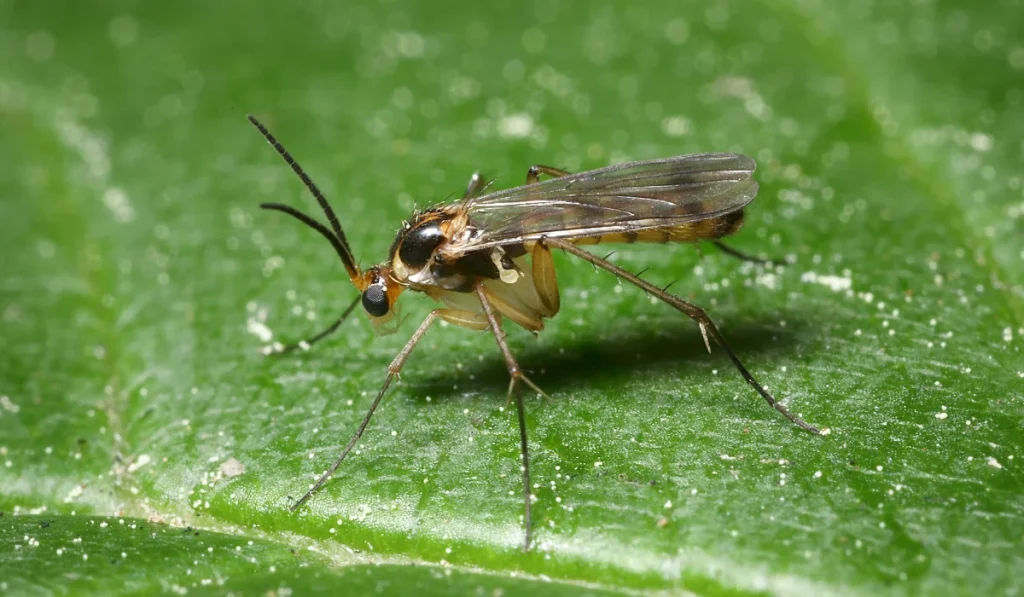
Fungus gnats are slender, dark flies with long legs. They usually hover over potting soil or collect on nearby windows. Phorid flies have a humpbacked appearance and often run across counters, floors, or walls before taking flight.
| Type of Small Fly | Common Appearance or Behavior | Where You May Find It | Likely Breeding Source |
|---|---|---|---|
| Fruit fly | Tan or brown; hovers around food | Kitchens, recycling areas, trash cans | Fermenting produce, drinks, or food residue |
| Drain fly | Fuzzy, moth-like wings; weak flier | Sinks, showers, utility rooms | Wet organic film inside plumbing |
| Fungus gnat | Dark, slender body with long legs | Houseplants and nearby windows | Persistently moist potting mix |
| Phorid fly | Humpbacked body; often runs first | Floors, drains, appliances, plumbing areas | Moist decay, sewage residue, or a hidden leak |
Correct identification prevents wasted effort. A vinegar trap near a potted plant will not correct wet soil, and cleaning a sink drain will not help if fruit flies are breeding beneath the recycling bin.
Where Gnats Breed Inside a Home
What causes gnats in the house is often less obvious than the adults flying through the room. A home can appear clean while small amounts of moisture and organic material remain beneath an appliance, inside a drain, or under a trash liner.
Kitchen Residue and Fermenting Food
Fruit flies do not need a bowl full of spoiled fruit to reproduce. A small amount of juice, wine, beer, or food residue can collect in the bottom of a recycling container, beneath a refrigerator, or around the edge of a trash can. Damp mops, towels, and sponges may also hold enough moisture and residue to attract them.
Inspect beneath the rubber splash guard in the garbage disposal, around dishwasher edges, under freestanding appliances, and inside cabinets where produce is stored. Forgotten onions, potatoes, and fruit can become hidden breeding sources. A spill that runs beneath an appliance may remain moist long after the visible part has been wiped away.
The University of Maryland’s fruit fly guidance identifies fermenting foods, beverages, damp mops, and wet towels as common sources. Its recommendations focus on sanitation and removing the material where larvae develop, not simply trapping the adults.
Drains, Fixtures, and Utility Areas
Drain flies develop in the wet organic film that accumulates inside plumbing. A slow drain, dirty stopper, sink overflow, or rarely used floor drain can hold a layer of residue that stays damp between uses. Pouring a household mixture into the opening may not remove material attached to the pipe walls.
Check utility sinks, shower drains, floor drains, refrigerator drip pans, air-conditioning condensate lines, and areas beneath leaking fixtures. In humid homes across Charlotte, Greensboro, Raleigh, and Virginia Beach, enclosed cabinets and utility spaces may dry slowly enough to support small-fly activity.
The University of Florida IFAS drain fly guide recommends confirming whether adults are emerging from a suspected drain and physically removing the organic buildup that supports larvae. This distinction matters because a fly resting near a sink may have developed in a trash container, houseplant, or hidden spill rather than the drain itself.
Houseplants and Moist Potting Mix
Fungus gnats usually point to damp growing media. Their larvae live in moist potting mix and feed on fungi and decomposing organic material. Frequent watering, poor drainage, blocked drainage holes, and water left in saucers can keep the soil suitable for development.
Adults often remain close to the plant where they emerged, although they may drift toward nearby windows. If one or two pots have heavier activity than the rest, check the soil and drainage in those containers first. Decorative outer pots can conceal standing water beneath an inner nursery pot.
Water plants according to their individual needs rather than following one schedule for every container. Empty saucers, remove decaying leaves, and make sure excess water can drain. The goal is to prevent the growing medium from remaining constantly wet without withholding the moisture the plant requires.
How to Get Rid of Gnats at the Source
How to get rid of gnats in the house depends on which type you find. Each response should remove or correct the material supporting larvae rather than focusing only on the adults you can see.
Remove Fruit Fly Food Sources
Discard spoiled produce and inspect nearby cabinets or storage bins for forgotten food. Rinse cans and bottles before placing them in recycling, then clean the container itself. Wash trash cans, compost containers, reusable rags, mop heads, and other items that may hold fermenting residue.
Ripe produce can be refrigerated when appropriate. Clean spills around and beneath appliances, including coffee makers, beverage dispensers, refrigerators, and dishwashers. Pay attention to seams, wheels, and cabinet edges where liquid can collect.
An apple cider vinegar trap can capture some adult fruit flies and help you monitor whether activity is declining. It should be used alongside sanitation, not as a substitute for it. If traps keep filling after visible food sources are gone, continue searching for hidden residue.
Correct Conditions Around Houseplants
For fungus gnats, adjust watering so the potting mix is not continually saturated. Let the upper layer dry when the plant can tolerate it, empty water from trays, and improve drainage where needed.
Yellow sticky traps can reduce adult numbers and show which plants have the most activity. They do not remove larvae from the soil, so continuing activity means the growing conditions still need attention. Check whether the pot is oversized, the drainage holes are blocked, or the mix retains water for too long.
Remove fallen leaves and other decomposing material from the soil surface. When several plants are grouped together, inspect each one rather than assuming they share the same source.
Remove Organic Buildup From Drains
For confirmed drain flies, clean accessible organic film from stoppers, strainers, overflow openings, and drain walls. A stiff drain brush can help dislodge residue attached inside the pipe. The objective is to remove the material larvae feed on rather than coat it temporarily.
Correct slow drainage and leaking connections so the area does not remain wet. Check nearby drains as well, especially in bathrooms, laundry rooms, basements, and utility areas where plumbing fixtures are not used every day.
Some adults may remain visible after cleaning because flies that had already developed can continue emerging. Heavy or ongoing activity suggests that the buildup was not fully reached or that another breeding site is nearby.
Investigate Persistent Phorid Fly Activity
Phorid flies may develop in trash residue, damp food beneath appliances, dirty mop heads, compost, septic material, and leaking sewage pipes. Inspect floor-wall junctions, plumbing penetrations, appliance areas, and spaces with an unexplained odor or recurring dampness.
The NC State overview of phorid flies explains that persistent infestations can originate from damaged plumbing beneath a concrete slab. When routine cleaning does not reduce activity, the problem may require a plumbing inspection and removal of contaminated material.
Do not seal a suspected gap or plumbing opening before determining what is happening behind it. Closing the visible exit may redirect adult flies into another part of the home without correcting the source.
Why Gnat Traps Offer Only Temporary Relief
Traps target flying adults. Eggs, larvae, and pupae remain protected inside moist soil, drain film, or fermenting residue. As another group matures, the infestation appears to return even though the breeding cycle was never interrupted.
Fruit flies can complete their life cycle in about eight to ten days under suitable conditions, according to the University of Maryland Extension. This rapid development explains why activity can rebound soon after adults are captured.
The same principle applies to fungus gnats and drain flies. Sticky cards, vinegar traps, and other monitoring tools can show whether adult numbers are declining, but they cannot dry wet soil, scrub a drain, remove spoiled food, or repair a pipe. Use them to support source control rather than treating them as the full solution.
When Small Flies Point to Hidden Moisture
Recurring flies can signal moisture behind a cabinet, beneath flooring, under an appliance, or inside a wall. Warning signs include activity emerging from floor cracks, flies appearing around several drains, sewage odors, unexplained damp spots, or moisture that returns after cleanup.
A pest professional can identify the insect and narrow the likely breeding area. The next step may involve another trade. A damaged drainpipe, condensate problem, or water-damaged building material may need professional repair before fly activity can stop.
Sage Pest Control uses an inspection-based approach to evaluate pest activity and the conditions contributing to it. Sage does not provide residential drain fly treatment, so a confirmed drain or plumbing source may require a drain-cleaning or plumbing professional. When the insect has not been identified or another covered pest is involved, a Sage technician can help determine the appropriate response.
Get Help Identifying Persistent Gnat Activity
The adult flies around your kitchen, bathroom, or plants are evidence of a nearby breeding source. Lasting control comes from matching the fly to the damp material where it develops, then removing food residue, correcting wet soil, cleaning organic drain buildup, or repairing hidden leaks.
If small-fly activity continues after you have checked the obvious sources, turn to Sage Pest Control for professional guidance in its North Carolina and Virginia Beach service areas. You can contact Sage Pest Control to discuss what you are seeing and determine whether a pest inspection or another type of service is the right next step.
