
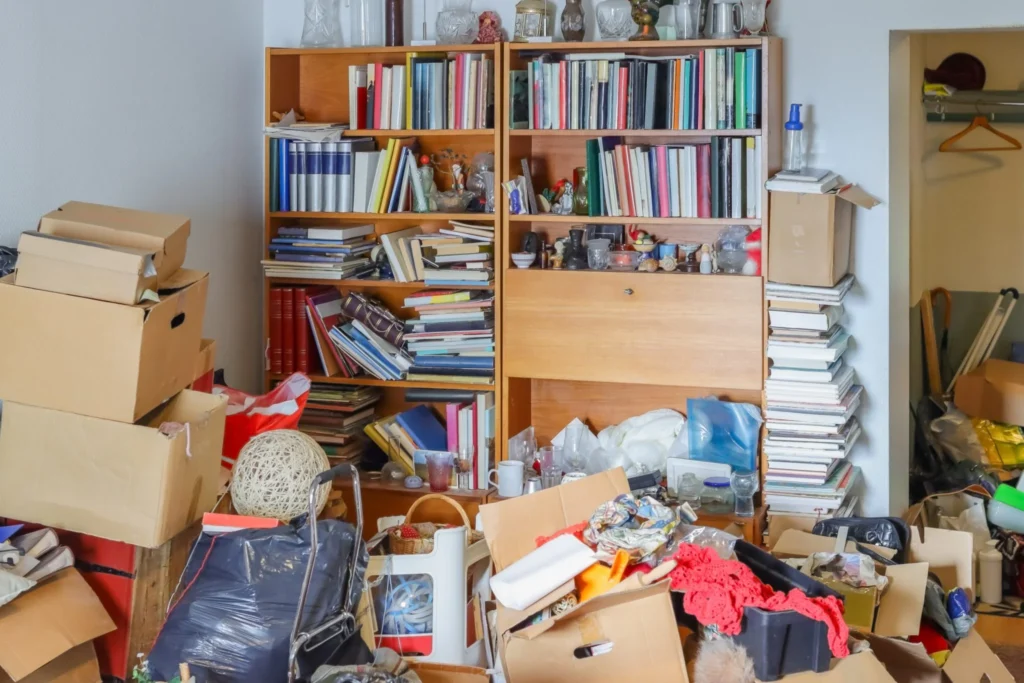
Clutter builds up slowly in most homes. A few cardboard boxes in the garage, a pile of clothes in the corner, or old newspapers stacked in a storage room may not seem like a big deal.
In Virginia Beach homes, though, where humidity and seasonal pest activity are common, clutter can quickly turn into a serious pest problem.
If you want to keep your home pest-free, understanding how clutter contributes to pest infestations is a key first step toward better home pest control and long-term pest management.
Key Takeaways
- Clutter provides food sources, moisture, and protected hiding spots.
- Basements, attics, and garages often have the most pest activity.
- Reducing clutter and using pest control helps prevent pest infestations.
How Clutter Attracts Pests
Clutter creates the conditions pests need. It gives them food, moisture, and shelter. In Virginia Beach homes, heat and humidity make cluttered spaces even more appealing.
Food Sources Left Exposed
Even small crumbs can attract pests, especially in cluttered areas like kitchens, pantries, and garages. Keeping food sealed and cleaning around stored items helps reduce the conditions that attract pests.
Moisture Trapped in Clutter
Clutter holds moisture, especially in basements, attics, and storage areas. Cardboard boxes, piles of paper, and old newspapers absorb humidity and stay damp.
These damp spaces attract pests, such as silverfish and cockroaches. Termites are also drawn to damp wood and paper. Over time, these areas can become nesting sites and breeding grounds.
Hidden Shelter and Hiding Spots
Pests need tight spaces to hide. Cluttered areas filled with unused items, piles of paper, or a pile of clothes give them that shelter.
Bed bugs often hide in cluttered bedrooms and closets. Cockroaches hide behind stacked items and inside small gaps. These hiding spots make it hard to see droppings and other signs of pests early.
Where Clutter Creates the Biggest Pest Problems
Some parts of the home need closer attention because they combine storage, low airflow, and limited daily use.
Basements and Crawl Spaces
Basements and crawl spaces can collect moisture and often hold stored items that rarely get moved. Cardboard boxes, paper piles, and items stored on the floor can make inspection harder.
Once pests settle into these areas, they may move along walls, pipes, gaps, or utility lines into other parts of the home.
Clutter can also block your view. Using plastic bins and keeping storage areas clean helps reduce risk.
Attics and Storage Rooms
Attics and storage rooms often hold seasonal items, old furniture, clothing, and boxes that sit untouched for months. These quiet spaces give pests more opportunities to hide before anyone notices activity.
Bed bugs may spread through stored furniture, luggage, or clothing if infested items are brought inside. Keeping storage rooms organized makes inspections easier and helps you catch pest evidence earlier.
Garages and Utility Areas
Garages often store tools, pet food, trash bins, outdoor equipment, and seasonal items. They also tend to have gaps around doors, utility openings, or walls where pests can enter.
Organize your garage, use sealed containers, and keep clutter away from walls to reduce pest movement.
Living Spaces With Excess Clutter
Clutter in bedrooms, closets, and living rooms can create pest hiding spots close to where people rest, eat, or store belongings. Laundry piles, paper stacks, crowded closets, and items under beds can make bed bugs and cockroaches harder to find.
Schedule a Virginia Beach Pest Inspection
Clutter can become a bigger issue when pests are already inside the home. Boxes, paper, clothing piles, and stored items can hide early warning signs such as droppings, gnaw marks, shed skins, and unusual odors.
It can also block access to key areas, making inspection and treatment more difficult. Removing unused items, organizing storage areas, switching from cardboard to sealed plastic bins, and keeping food sealed can reduce hiding spots and make it easier to find entry points, seal cracks, and spot pest activity early.
Still, some pest problems need professional attention. Scheduling a pest inspection can help identify the pest, locate possible entry points, and determine the right treatment based on the issue.
Sage Pest Control helps Virginia Beach homeowners address pest problems involving rodents, termites, bed bugs, roaches, mosquitoes, and other common pests. If you see signs of pests in cluttered areas, schedule an inspection before the problem becomes harder to control.
FAQs
What attracts pests?
Pests look for food sources, water, and shelter. Clutter can hide crumbs, trap moisture, and create quiet spaces where pests can stay out of sight.
Does clutter really cause pest infestations?
Clutter does not directly cause pest infestations. However, it can make a home more inviting by hiding food residue, moisture, entry points, and pest activity.
What are common signs of pests in cluttered areas?
Look for droppings, gnaw marks, shed skins, damaged packaging, nesting material, stains, and unusual odors. These signs may be easier to miss when boxes, paper, clothing, or stored items block your view.
How can you reduce clutter where pests can hide?
Remove unused items and organize storage areas. Use plastic bins instead of cardboard boxes. Keep food containers sealed and clean often.
