
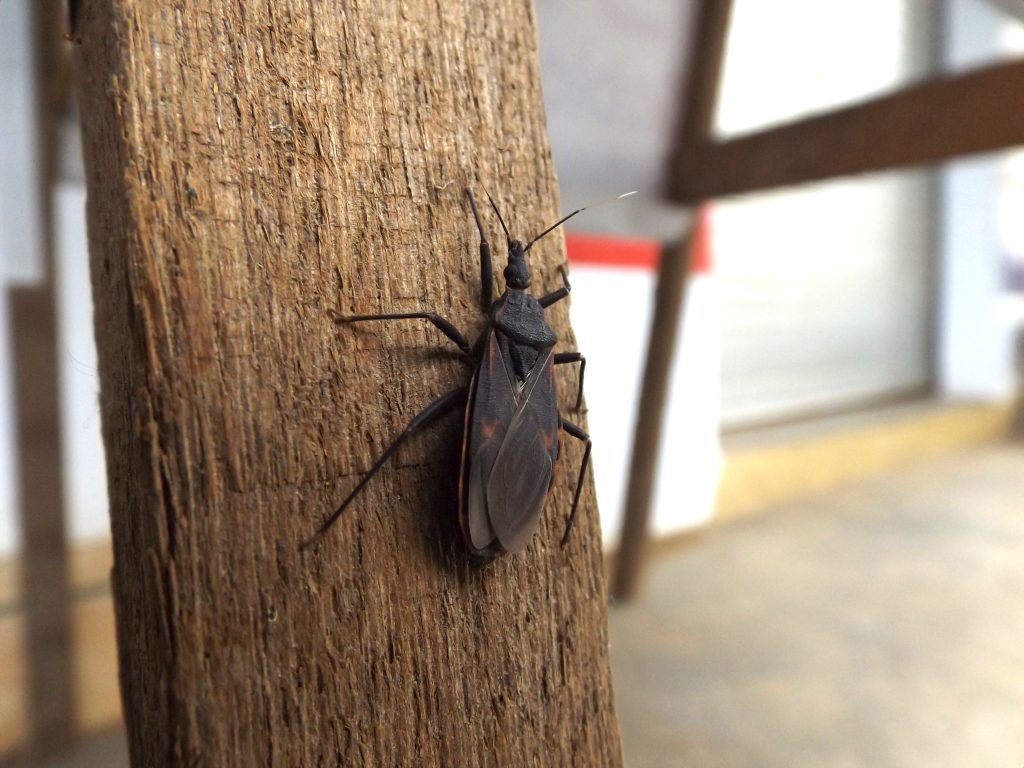
Kissing bugs in Virginia are a genuine, confirmed presence in the state, found in both central and northern regions, and it can carry the parasite responsible for Chagas disease. Despite that, no human cases of Chagas disease have been reported in Virginia to date. This guide covers how to identify a kissing bug, how the disease it can carry actually spreads, and what realistically reduces the odds of an encounter.
Key Takeaways
- Kissing bugs have been confirmed in Virginia, including central and northern parts of the state, but no human cases of Chagas disease have been reported in Virginia to date.
- The species found in Virginia doesn’t defecate while feeding the way some other kissing bug species do, which lowers the infection risk compared to other regions, though it isn’t zero.
- Most people infected show mild, easy-to-miss symptoms at first; the real concern with Chagas disease is the years-long gap before serious heart or digestive complications can appear.
What Kissing Bugs in Virginia Actually Are
Before worrying about disease risk, it helps to know exactly what this insect looks like and where in the state it’s actually been confirmed. Both details make a real sighting easier to tell apart from a false alarm.
Identifying a Kissing Bug
Kissing bugs, also called triatomine or cone-nosed bugs, are dark brown to black insects with a distinctly elongated, cone-shaped head that gives the group its alternate name. They’re mostly active at night and tend to bite around the mouth or eyes, which is where the “kissing bug” nickname comes from.
Where Kissing Bugs Are Found in Virginia
Confirmed sightings in Virginia span both central and northern parts of the state. The species identified here is the eastern conenose, one variety among the broader triatomine group found across much of the southern and central United States.
How Kissing Bugs Actually Spread Chagas Disease
The bite itself isn’t the problem; a specific behavior afterward is what actually creates risk, and Virginia’s local species happens to skip that step most of the time. Understanding that mechanism explains why the same insect can carry very different levels of risk depending on where it’s found.
The Self-Inoculation Mechanism Behind Chagas Disease
Chagas disease doesn’t spread through the bite itself. Some kissing bug species defecate near the bite site while feeding, and the parasite responsible for the disease, Trypanosoma cruzi, lives in that waste rather than in the bug’s saliva. An itchy bite that gets scratched or rubbed can carry that waste into the wound, the eyes, or the mouth, which is what actually causes infection.
Why Kissing Bugs in Virginia Species Carries Lower Risk
The eastern conenose, the species confirmed in Virginia, doesn’t defecate while feeding the way some other triatomine species do. Since that behavior is the actual mechanism behind most transmissions, its absence meaningfully lowers the infection risk here compared to regions where other species are more common, though it doesn’t rule out transmission entirely.
Chagas Disease Symptoms and Why Timing Matters
Chagas disease unfolds in two very different stages, and the gap between them is exactly why catching it early matters so much. What feels like a minor illness at first can look completely different decades later if it goes unnoticed.
Early Chagas Disease Symptoms Are Easy to Miss
In the first few weeks after infection, symptoms are often mild enough to go unnoticed entirely: a swollen eyelid, headache, nausea, or a low fever. Many people who become infected never realize it happened, since nothing about the initial illness stands out as serious.
The Chronic Chagas Disease Risk Years Later
The more serious risk with Chagas disease shows up much later, sometimes decades afterward, in the form of heart or digestive complications that can become life-threatening. Treatment is genuinely effective during the first few weeks after infection, but options become far more limited once the disease has progressed to this chronic stage, which is part of why early awareness matters even though initial symptoms feel minor.
Who Faces Higher Kissing Bug Exposure in Virginia
People who spend significant time outdoors in rural settings, including hunters and campers, face more exposure simply by being in the environments where kissing bugs live. People in substandard housing with more exterior gaps and cracks also face higher exposure, since those conditions make it easier for the bugs to get inside in the first place.
Preventing Kissing Bug Encounters
A few distinct habits, rather than any single fix, do most of the work in keeping kissing bugs away from a home.
Seal Entry Points Around the House
Sealing cracks and gaps around windows, doors, and foundations reduces how easily a kissing bug can get indoors, the same principle that helps against most crawling insects.
Manage Outdoor Lighting
Outdoor lighting can attract kissing bugs at night, so keeping exterior lights to a minimum or switching to yellow, insect-resistant bulbs near entry points cuts down on what draws them close to the house after dark.
Check Bedding and Furniture Regularly
Checking bedding and upholstered furniture periodically, especially in homes near wooded or rural areas, catches an indoor presence before repeated bites become likely.
When a Kissing Bug Problem Needs a Professional
A single kissing bug found indoors is worth removing carefully and monitoring for others, but it doesn’t necessarily mean an established population. Repeated sightings, especially indoors over multiple weeks, are worth addressing directly, since that pattern suggests an entry point or nearby outdoor harborage that’s letting more than just one bug inside.
Get Pest Control for Your Virginia Home
Sage Pest Control addresses the entry points and surrounding conditions that let insects like kissing bugs move indoors as part of its general pest control service across Virginia. Sage is GreenPro certified and offers same-day service 90 to 95 percent of the time, with free re-services if activity returns between scheduled visits. Visit Sage Pest Control or contact the team to schedule an inspection.
Frequently Asked Questions
Has anyone in Virginia actually gotten Chagas disease from a kissing bug?
No human cases have been reported in Virginia to date, though the parasite has been documented in animals in the state. The presence of kissing bugs here doesn’t mean transmission has actually occurred in people, and the confirmed cases so far remain limited to animals.
How can I tell a kissing bug from other similar-looking insects?
The most common mix-up is with wheel bugs and other assassin bug relatives, which share a similar general body shape but lack the specific cone-shaped head and the tendency to bite around the face at night. Comparing against a verified photo, or having a professional confirm the identification, is safer than relying on a quick glance, especially given how much the response should differ depending on which insect it actually is.
What should I do if I find a kissing bug in my home?
Avoid crushing or touching it directly, since contact with its waste is the actual transmission risk, not the bite itself. Capture it in a container if possible, wash the area where it was found, and consider having a professional inspect the property if more than one turns up.
