
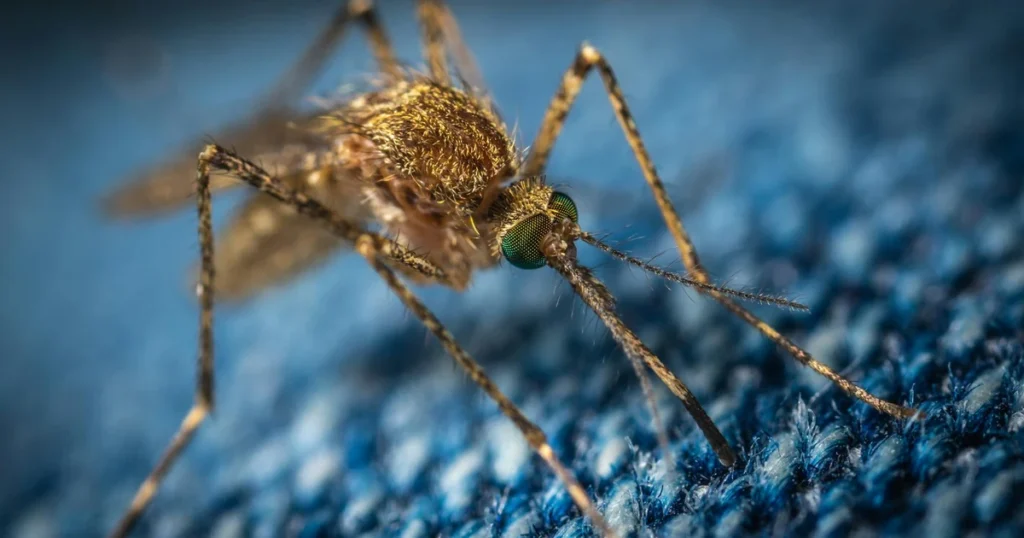
Mosquito season in Virginia runs May through October, peaking in summer. Here’s what drives activity and how to protect your yard.
Key Takeaways
- Virginia mosquito season runs May through early November, with peak activity in July and August.
- The Asian tiger mosquito is the dominant species in Virginia and bites aggressively during daylight hours.
- Mosquitoes breed in as little as a half-inch of standing water, so removing water sources on your property is the first line of defense.
- Mosquito-borne diseases active in Virginia include West Nile virus, La Crosse encephalitis, and Eastern equine encephalitis.
- Professional mosquito treatments target resting sites in foliage and include a re-treat guarantee if activity continues between visits.
When Mosquito Season Starts and Ends in Virginia
Mosquito season in Virginia runs from early May through early November, according to the Virginia Department of Health. Populations build slowly in spring as overnight temperatures stabilize above 50 °F. Activity accelerates through June and hits its peak in July and August, when heat and humidity create ideal breeding conditions. A gradual decline follows in September and October, though warm fall weather can extend the season later than most homeowners expect.
Temperatures are the most important factor. Mosquitoes go dormant when temperatures drop below 50 °F and die off when sustained cold arrives. Virginia Beach’s coastal climate keeps temperatures mild well into fall, which means residents often deal with active mosquito populations through Halloween. Inland areas of Virginia experience a slightly earlier end to the season, but the window remains long compared to northern states.
What Drives Mosquito Activity in Virginia During Summer
Heat, humidity, and standing water form the combination that drives mosquito populations through summer. Mosquito eggs hatch faster and larvae develop more quickly when temperatures stay consistently high. Virginia’s humid summers accelerate every stage of the mosquito life cycle, from egg to biting adult, shortening the window between breeding events and compounding population growth over the course of the season.
Heavy rainfall also plays a role. Rain fills artificial containers, low spots in yards, clogged gutters, and any object that can collect water. Female mosquitoes lay eggs in stagnant water, and a single breeding site can produce hundreds of adults in under two weeks. Carbon dioxide from humans and animals attracts those adults, drawing them toward patios, decks, and anywhere people spend time outdoors.
Mosquitoes spend most of the day resting on the underside of leaves in dense, shaded vegetation. Shrubs, undergrowth, and heavily landscaped areas hold moisture and provide the cool, protected harborage sites these pests prefer. That behavior is exactly why professional mosquito treatments focus on foliage rather than open lawn.
Mosquito Species Found in Virginia Yards and Neighborhoods
The Asian tiger mosquito (Aedes albopictus) is the most common mosquito species Virginia Beach residents encounter. Unlike many mosquitoes that bite primarily at dawn and dusk, the Asian tiger mosquito bites throughout the day, making outdoor time consistently uncomfortable during peak season. It is identifiable by its black-and-white striped pattern and aggressive biting behavior.
A statewide survey of container-breeding mosquitoes published in the Journal of Medical Entomology found that Aedes albopictus accounted for 81% of more than 67,000 specimens collected across 18 North Carolina counties in 2016. The same species dominates Virginia populations. Research published in the Journal of the American Mosquito Control Association confirmed the species had established populations in all 100 North Carolina counties, and Virginia counties show the same pattern across the region.
The common house mosquito (Culex pipiens) is also widespread in Virginia. It bites primarily at night and is the principal vector for West Nile virus in the region. Both species breed in standing water, but the Asian tiger mosquito exploits smaller containers: bottle caps, plant saucers, bird baths, and clogged gutters. Even artificial containers left outdoors can become active breeding sites within days of a rain event.
Mosquito-Borne Diseases That Affect Virginia Residents
West Nile virus is the most frequently reported mosquito-borne disease in Virginia. Most people who contract West Nile virus experience no symptoms or a mild fever, but a small percentage develop serious neurological illness. National surveillance data published in MMWR confirms West Nile virus as the leading domestically transmitted arboviral disease in the United States, with cases reported annually across Virginia and neighboring states.
Eastern equine encephalitis (EEE) poses a lower but more severe risk. Infection rates are rare, but the mortality rate for EEE is significantly higher than for West Nile. La Crosse encephalitis, transmitted by the eastern treehole mosquito, primarily affects children and is endemic in parts of the mid-Atlantic and Appalachian regions. Dengue fever, Zika virus, yellow fever, malaria, and chikungunya remain concerns for travelers but are not transmitted by mosquitoes established in Virginia.
Mosquito bites also cause itchy welts that can become infected through scratching. People with sensitivities to mosquito saliva may develop larger reactions on exposed skin. The nuisance factor alone is reason enough to manage mosquito populations on your property, but the disease risk makes professional mosquito control a legitimate health decision for Virginia Beach homeowners.
How to Reduce Mosquito Breeding on Your Virginia Property
Removing standing water from your yard is the single most effective step you can take to reduce mosquito populations before season peaks. Mosquitoes need only a half-inch of water to breed, and they will use any container that holds moisture: clogged gutters, flowerpot saucers, tarps, buckets, children’s toys, and low spots in the lawn. Emptying or removing these sources weekly during mosquito season cuts off the breeding cycle before adult populations build.
Standing Water Sources to Address in Virginia Yards
Start with gutters. Clogged gutters are one of the most overlooked mosquito breeding sites on residential properties. After clearing gutters, walk the yard and address any object that can collect water. Bird baths should be emptied and refilled every few days. Tarps and pool covers that collect rainwater need to be drained or stored. Low areas in the lawn that stay wet after heavy rainfall may require grading or drainage improvements to prevent water from pooling.
Ornamental ponds and water features require a different approach. Mosquito larvae cannot survive in moving water, so fountains and aerators that keep water circulating reduce breeding significantly. Dense landscaping around patios and fences also creates harborage, where adult mosquitoes rest during the day. Trimming shrubs and reducing heavy undergrowth near the home removes the cool, shaded cover these pests depend on between feeding events.
Preventing Bites During Mosquito Season in Virginia
Personal protection matters most during July and August, when mosquito populations in Virginia reach their highest levels. Wearing long sleeves and light-colored clothing during dawn and dusk reduces exposed skin and makes it harder for mosquitoes to locate a target. Repellents containing DEET, picaridin, or oil of lemon eucalyptus applied to exposed skin provide reliable bite prevention for adults and children.
Screening doors and windows keeps mosquitoes out of living spaces. Repairing torn screens before mosquito season starts prevents the most common entry point into the home. For outdoor events, consider adding a fan to covered patios. Mosquitoes are weak fliers, and even a moderate breeze disrupts their ability to land and bite.
When to Call for Professional Mosquito Control in Virginia
DIY steps reduce mosquito breeding sites, but they don’t address the adult mosquitoes already resting in your yard’s vegetation. Professional mosquito control targets those resting populations directly, using EPA-registered products applied with mist blower equipment to trees, shrubs, undergrowth, and shaded foliage around the home. Because mosquitoes rest on the underside of leaves, treating foliage rather than open surfaces is what makes professional treatment effective.
Sage’s mosquito treatment process starts with a property inspection to identify resting and breeding sites specific to your yard. Technicians then apply targeted treatment to all vegetation where mosquitoes harbor during the day, including dense landscaping, bushes, and shaded areas around patios, decks, and fences. Most treatments take 20 to 30 minutes depending on property size and the amount of foliage present.
Because mosquito pressure continues throughout the season, recurring treatments on a scheduled interval provide the most consistent control. The products Sage applies are designed to remain effective in harborage areas even after normal rainfall, though heavy weather can reduce effectiveness between visits. If you experience continued mosquito activity between scheduled treatments, Sage will return and re-treat your property at no additional cost.
Bottom Line on Mosquito Season in Virginia
Mosquito season in Virginia is long, running from May through early November and peaking hard in July and August. The Asian tiger mosquito bites during daylight hours, West Nile virus circulates annually, and the region’s heat and humidity accelerate breeding throughout summer. Removing standing water and limiting harborage in your landscaping reduces pressure, but professional mosquito control addresses the adult populations already in your yard. A recurring treatment schedule through peak season gives your outdoor spaces back.
If you’re in Virginia Beach and mosquitoes are keeping you off your patio, text Sage. Response time is under a minute, and same-day service is available. Stay Sage.
Frequently Asked Questions
When does mosquito season start in Virginia Beach?
Mosquito season in Virginia Beach typically begins in early May, when overnight temperatures stabilize above 50 °F. The coastal climate keeps conditions favorable longer than inland areas, so populations can remain active through early November. Peak biting activity occurs in July and August, when heat and humidity are at their highest.
What is the most common mosquito species in Virginia?
The Asian tiger mosquito is the dominant species across Virginia and North Carolina. It breeds in small artificial containers, bites aggressively throughout the day rather than just at dawn and dusk, and is identifiable by its black-and-white striping. The common house mosquito is also widespread and is the primary carrier of West Nile virus in the region.
How long does a professional mosquito treatment last in Virginia?
Professional mosquito treatments are designed to remain effective in foliage even after normal rainfall. Because mosquito pressure continues throughout the season, treatments are most effective when performed on a recurring schedule. Sage offers a re-treat guarantee: if you see continued mosquito activity between scheduled visits, they return at no additional cost.
Does standing water in my yard really make a difference for mosquito breeding?
Mosquitoes need only a half-inch of water to breed, and a single container can produce hundreds of adults in under two weeks. Bird baths, clogged gutters, flowerpot saucers, tarps, and low spots in the lawn all qualify as breeding sites. Emptying or removing these sources weekly during mosquito season disrupts the breeding cycle before populations peak.
What mosquito-borne diseases are active in Virginia?
West Nile virus is the most frequently reported mosquito-borne disease in Virginia, with cases confirmed annually. Eastern equine encephalitis poses a lower but more severe risk. La Crosse encephalitis affects children primarily and circulates in the mid-Atlantic region. Dengue, Zika, and yellow fever are travel-associated diseases and are not transmitted by mosquitoes established in Virginia.
