
Mosquitoes around dog bowls can cause costly problems when early signs are missed. Learn the signs, risks, and when to call Sage Pest Control.
Key Takeaways About Mosquitoes Around Dog Bowls
- Dog water bowls that sit outdoors can collect standing water where mosquitoes may lay eggs and larvae can develop, making them a common but easy-to-overlook breeding spot in your yard.
- Mosquito control works best when you focus on removing standing water sources and managing larvae rather than relying only on treatments that target adult mosquitoes.
- Certain mosquito species can carry diseases that affect both human and animal health, so keeping water bowls fresh is a simple step that supports broader mosquito prevention around your home.
- When outdoor bowls, landscaping, and other harborage areas create persistent mosquito pressure, recurring professional treatments throughout mosquito season can help reduce activity on your property.
How to Identify Mosquitoes Around Dog Bowls
If you’ve noticed mosquitoes hovering near your dog’s water bowl, you’re seeing a common backyard pattern. Dog bowls left outdoors can collect standing water, and standing water is what mosquitoes look for. According to UC IPM, mosquito management should focus on controlling larvae and addressing standing water rather than relying on adult mosquito sprays. That makes your dog’s bowl a good place to start looking.
How to Tell Different Mosquito Species Apart Near Dog Bowls
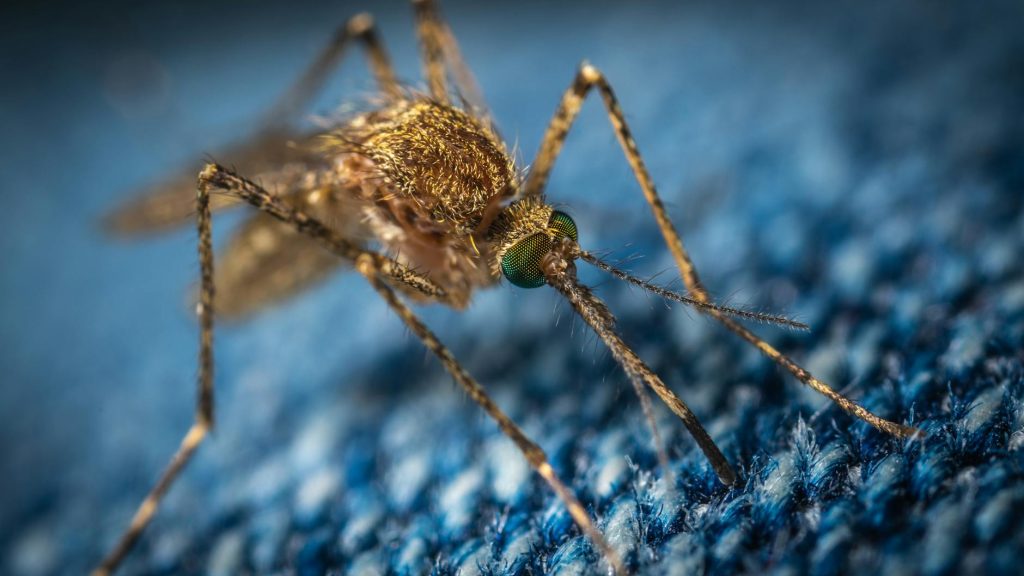
Adult mosquitoes are slender, flying insects with long legs and a visible proboscis. You may notice them resting on or near the rim of a water bowl, especially during early morning or evening hours. What often goes unnoticed are mosquito larvae in the water itself. Larvae are small, wriggling organisms that hang just below the surface. If you see tiny movement in your dog’s outdoor water dish, you may already have a breeding issue underway.
How to Spot Mosquito Activity Inside Your Home
Mosquitoes that breed in standing water outdoors can follow you or your pets inside through open doors and windows. You might notice bites after spending time near the door where your dog goes in and out. Indoor mosquito activity often traces back to outdoor breeding sources like water bowls, so checking those containers is a practical first step.
Where Mosquito Activity Shows Up Around Your Home
Outdoor dog bowls are just one source of standing water. Mosquito activity may also show up near dense shrubs, shaded foliage, clogged gutters, and other areas that hold moisture. During property inspections, Sage Pest Control technicians identify these kinds of breeding and resting spots across the yard. Patios, decks, and fences with nearby vegetation can also serve as harborage areas where mosquitoes rest during the day.
Exterior Entry Points Mosquitoes Use Near Dog Bowls
Mosquitoes don’t need much of an opening. They can enter through gaps around doors, torn screens, or any opening your pets use to go outside. Because dog bowls are typically placed near back doors or on patios, the short distance between a breeding source and an entry point makes it easy for mosquitoes to move indoors. Addressing standing water around these areas helps reduce the conditions that draw mosquitoes close to your home in the first place.
Why Mosquito Problems Develop Around Dog Bowls
Mosquitoes need standing water to reproduce, and a pet water dish left outdoors checks every box. Understanding why these problems develop helps you stay a step ahead.
Outdoor Nesting Areas for Mosquitoes Near Dog Bowls
Mosquito larvae live and grow in bird baths and any objects containing standing water, including pet water containers. A dog bowl sitting on a patio or in a shaded corner of the yard can become a small but productive breeding site. According to the EPA, once eggs are exposed to water, larvae hatch, and hatching time depends on water temperature, food availability, and species type.
Larvae remain aquatic as they feed and develop into pupae, which also stay in the water but stop feeding. That full cycle can play out right inside a water dish that goes unchanged for several days.
Food and Shelter That Attract Mosquitoes to Dog Bowls
Dog bowls often sit near dense landscaping, shaded patios, or fences where mosquitoes rest during the day. These shaded harborage areas give adult mosquitoes a place to wait between feeding, and the nearby standing water gives them a place to lay eggs.
Outdoor pet food bowls can draw additional pests as well. As Mississippi State University Extension notes, limiting the amount of time you let pets eat before removing the food can help reduce pest attraction rather than giving pests free access.
How Mosquitoes Move Around Homes
Mosquitoes that breed in a dog bowl do not stay put. Adults that leave the water spread across the yard, resting on the underside of leaves in nearby shrubs, undergrowth, and shaded vegetation. Dozens of species may be present in a given area, and certain species in the genera Culex and Aedes can pose concerns beyond simple annoyance.
Trails and Entry Points Mosquitoes Use
Because mosquitoes breed wherever standing water collects, a single dog bowl can feed a cycle that extends to other water-holding objects around the property. Changing the water in pet dishes every week helps reduce mosquito breeding habitat. Pair that habit with checking bird baths, clogged gutters, and any other spots that hold moisture, and you cut off the water sources mosquitoes depend on.
Risks From Mosquitoes Around Dog Bowls
A dog bowl left outdoors with water sitting in it creates the kind of standing water that mosquitoes look for when breeding. That small, overlooked detail can turn a feeding station into a pest hotspot, and the risks go beyond annoyance. Mosquitoes are pests that can damage both human and animal health because they carry diseases.
Health Risks Linked to Mosquitoes Near Dog Bowls
Mosquitoes bite people and animals and can spread diseases such as West Nile virus. According to Texas A&M AgriLife Extension, Culex species prefer stagnant water with high bacteria content, and these are the primary disease-carrying mosquitoes of concern to public health officials. A dog bowl that sits undrained for days can develop exactly that kind of water.
Because mosquitoes target both you and your pets, a breeding site near a back door or patio increases exposure for everyone spending time outside. Addressing standing water is one step toward managing mosquito populations and disease prevention.
Property Damage From Mosquitoes Around Dog Bowls
Mosquitoes do not cause structural or property damage the way termites or rodents do. The concern here is population growth. Rainfall can contribute to a rapid increase in mosquito populations, and any site that accumulates standing water, including a forgotten dog bowl, adds to breeding opportunities on your property.
More breeding sites mean more pests concentrated near your home, which can make outdoor spaces less enjoyable during warmer months.
Mosquito Activity in Food Preparation Areas
Outdoor feeding areas draw pets to one spot for extended periods, giving mosquitoes easy access to a host. Culex mosquitoes typically appear as conditions dry, so even a bowl with a small amount of remaining water can become attractive to these pests. Any site that accumulates standing water should be inspected for possible mosquito breeding, as Purdue Extension notes.
When to Take a Closer Look at Mosquito Activity
Hot and drier conditions are raising concerns among health officials about the potential for rising populations of vector mosquitoes. If you notice increased mosquito activity around your yard, it is worth checking every container that holds water, dog bowls included.
Sites identified as breeding mosquitoes should be noted for follow-up control efforts. Treating pests like mosquitoes involves more than a single approach. Products can provide relief from many pests, but they are not the only solution to pest problems. Reducing standing water around your home is a practical first step.
Professional Pest Control for Mosquitoes Around Dog Bowls
Dog bowls left outdoors can create the kind of small, still-water environment that draws mosquitoes to your yard. Addressing the problem goes beyond just swapping water more often. A solid prevention approach, combined with professional inspection and treatment, can help reduce mosquito activity in the areas where your pets spend time.
How to Reduce Attractants for Mosquitoes Near Dog Bowls
Prevention starts with limiting the conditions mosquitoes look for. Standing water in outdoor dog bowls, even a shallow amount, can attract mosquitoes searching for a place to lay eggs. Refreshing water bowls each day and bringing them inside when your pet is done drinking are simple steps that reduce available moisture around your home.
Beyond the bowl itself, look at the surrounding area. Clogged gutters, shaded spots that hold moisture, and dense landscaping near where you keep pet bowls can all contribute to mosquito pressure. Reducing these conducive conditions around your yard helps limit the areas where mosquitoes rest and breed.
Why Mosquito Control Starts With an Inspection
Every Sage Pest Control mosquito treatment begins with a detailed property inspection. Technicians walk your yard and identify areas where mosquitoes are likely to rest or breed, including dense shrubs, shaded foliage, standing water, and other spots that hold moisture. Dog bowl areas are part of that assessment.
Technicians also help identify conducive conditions you may have overlooked, such as areas that collect moisture near patios, decks, or fences. This inspection step is what separates a targeted approach from a general spray-and-hope strategy.
What to Expect During Professional Mosquito Treatment
After the inspection, technicians use professional mist blower equipment to apply EPA-registered products to trees, shrubs, undergrowth, and shaded vegetation around your home. Treating foliage is key because mosquitoes spend much of their time resting on the underside of leaves.
Treatment also focuses on harborage areas where mosquitoes hide during the day, such as dense landscaping, bushes, and shaded areas around patios, decks, and fences. Most treatments take approximately 20 to 30 minutes, depending on property size and the amount of landscaping that needs attention.
Because the products are applied directly to harborage areas, they can continue helping reduce mosquito activity even after normal rainfall. Heavy rain or severe weather can sometimes reduce how well treatments hold up, which is why recurring service matters.
What to Expect From a Mosquito Control Plan
Mosquito control works best on a recurring schedule during mosquito season. Sage Pest Control builds plans around your property’s specific conditions, with technicians selecting appropriate products based on what they find during each visit. Product rotation is part of the program to help prevent resistance over time.
If you continue to experience mosquito activity between scheduled treatments, Sage will return and re-treat your property at no additional cost. That guarantee gives you a straightforward path forward when mosquitoes keep showing up near your dog’s outdoor space.
Mosquitoes Around Dog Bowls: Bottom Line
Dog bowls left outdoors with standing water can become mosquito breeding spots, but they are also one of the easier conditions to address. Refreshing water regularly, dumping bowls when not in use, and keeping an eye on other standing water around your yard all help reduce mosquito activity at the source. When mosquito pressure is high, a recurring professional treatment targeting the shaded foliage and harborage areas where mosquitoes rest can make a real difference across your property.
If you are seeing mosquitoes gathering around your dog’s water, reach out to Sage Pest Control for a property inspection and a treatment plan built around your yard.
Frequently Asked Questions
Why Do Mosquitoes Gather Near My Dog’s Water Bowl?
Mosquitoes need standing water to lay eggs. Any container that holds water outdoors, including a pet bowl, can attract them. Even a small amount of still water is enough for mosquitoes to begin breeding, so bowls left sitting for several days may become a concern.
How Often Should I Change the Water?
Refreshing the water frequently helps reduce the chance that mosquito larvae can develop. If your dog drinks from an outdoor bowl, swapping the water out regularly and dumping any water your pet has not finished is a simple step you can take.
Are There Other Spots in My Yard I Should Check?
Yes. Anywhere water collects and sits can serve as a breeding site. Clogged gutters, plant saucers, bird baths, and any objects that hold moisture after rain are all worth inspecting. Addressing these conditions across your property helps lower overall mosquito activity.
What Does a Professional Mosquito Treatment Involve?
Sage Pest Control technicians start with a detailed yard inspection to identify resting and breeding areas. They then apply professional-grade, EPA-registered products to trees, shrubs, and shaded vegetation using mist blower equipment. Treatments typically take about 20 to 30 minutes, and recurring visits throughout mosquito season help maintain results. If activity continues between scheduled visits, Sage will return and re-treat at no additional cost.
