
Mosquitoes in crawl space can cause costly problems when early signs are missed. Learn the signs, risks, and when to call Sage Pest Control.
Key Takeaways About Crawl Space Mosquitoes
- Crawl spaces can hold moisture and create damp, sheltered conditions that may attract mosquitoes and other bugs looking for a place to rest or breed.
- Addressing moisture in your crawl space and sealing entry points around the foundation are two of the most practical steps you can take to reduce mosquito activity beneath your house.
- A recurring mosquito treatment plan that targets harborage areas around your home can help keep activity down throughout mosquito season.
- Beyond mosquitoes, a damp crawl space may also draw other unwanted insects, so managing conditions below your house supports broader pest prevention.
How to Identify Crawl Space Mosquitoes
If your home sits on a crawl space, you already know it can be a magnet for moisture. That same damp, shaded environment is exactly what mosquitoes look for when they need a place to rest during the day. Knowing what to look for and where to look helps you catch activity early.
How to Tell Mosquito Types Apart in Crawl Space
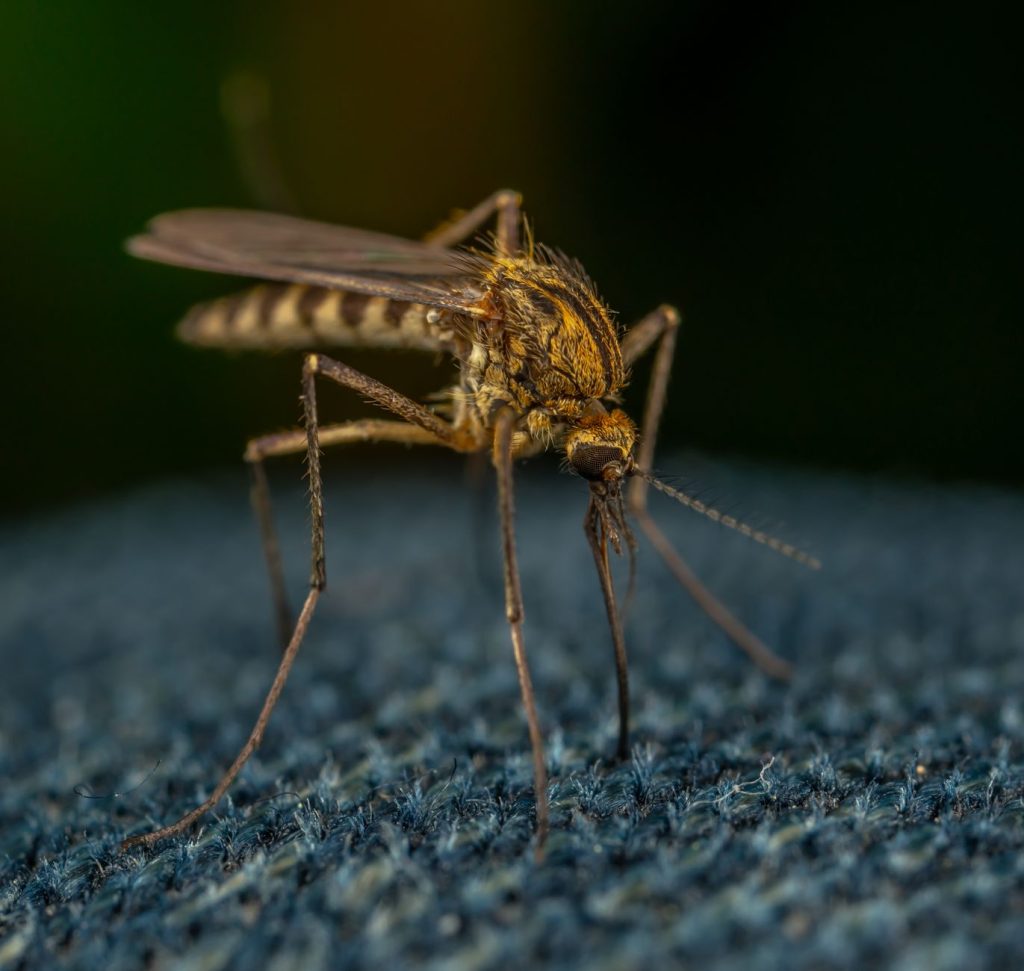
Mosquitoes are slender, long-legged insects with narrow wings and a visible proboscis. In a dim crawl space, you may notice them resting on surfaces or taking flight when disturbed. Several types of insects live in walls and crawl spaces, and some are just nuisances while others can cause real damage. Mosquitoes fall on the nuisance side, but they are still worth addressing because of their biting habit that makes them unwelcome around your home.
How to Spot Mosquito Activity Inside Your Crawl Space Home
The clearest sign of crawl space mosquito activity is an uptick in biting mosquitoes inside your living areas, especially during evening hours. Because mosquitoes rest in shady, damp areas during the day, a crawl space with water leaks or water-damaged materials gives them a comfortable hiding spot. According to Kansas State University Extension, repairing water leaks, removing and replacing water-damaged materials, and running a dehumidifier in damp crawl spaces can help reduce the conditions that attract them.
Where Mosquito Activity Shows Up Around Crawl Space Homes
Mosquitoes tend to rest on vegetation around the perimeter of the property and in other shady, damp areas. A crawl space without a moisture barrier can hold enough dampness to draw them underneath the home. According to the University of Tennessee Extension, using a moisture barrier in crawl spaces and draining water away from the building are recommended steps for managing moisture in and around the structure.
Exterior Entry Points Mosquitoes Use Around Crawl Space Homes
Crawl space vents, gaps around foundation openings, and areas where pipes or utilities enter the building can all give mosquitoes a path inside. Once underneath the home, they find the shaded, damp conditions they prefer for daytime resting. Periodic inspections of the building help you catch these access points before mosquito activity builds up around your living space.
Why Mosquito Problems Develop in Crawl Spaces
Crawl spaces create conditions that can draw mosquitoes closer to your home. The combination of moisture, shelter, and nearby food sources makes these areas a natural staging ground for mosquito activity. Understanding what pulls them in helps you spot trouble early.
Outdoor Nesting Areas for Mosquitoes Around Crawl Spaces
Standing water and areas that collect moisture are among the most common conditions that contribute to mosquito activity. Even small pools beneath a home or around its foundation can support mosquito breeding. According to the University of Tennessee Extension, pests seek protection and shelter in dark cavities in walls or crawl spaces, and the damp, shaded environment underneath a raised home fits that description well.
Damp basements, crawl spaces, and floor drains can also hold enough moisture to attract insects. When these spaces stay consistently wet, they become appealing rest areas for mosquitoes between feeding.
Food and Shelter That Attract Mosquitoes Around Crawl Spaces
Pests are attracted by warm air, moisture, and food. Odors from dead insects or other biological material in a crawl space can also draw them in. A crawl space full of insects provides a food web that supports additional pest activity nearby. Removing food sources from around the home can help reduce overall pest presence, since, without food, many pests will move to a new location.
Dense shrubs, shaded foliage, and undergrowth close to crawl space vents give mosquitoes daytime resting spots just steps from their breeding areas. Mosquitoes spend much of their time resting on the underside of leaves in these shaded zones.
How Mosquitoes Move Around Homes
Mosquitoes tend to stay near moisture and shelter during the day, then become active as conditions cool. Mosquitoes often rest in damp, shaded areas near the home during the day and become active as conditions cool, moving between sheltered spots and feeding sites. Gaps between a crawl space and your living areas can allow mosquitoes easy access indoors, especially during mosquito season when activity is highest.
Trails and Entry Points Mosquitoes Use in Crawl Spaces
Holes in screens and cracks in foundations are common entry points for pests, including mosquitoes. Openings where pipes or utilities enter the home also create gaps that allow access. Caulking cracks in foundations and repairing damaged screens are practical first steps to limit movement between the crawl space and your living space.
Ventilating or drying crawl spaces can help reduce the moisture that makes these areas so appealing to pests in the first place.
Risks From Crawl Space Mosquitoes
A crawl space that stays damp and dark can attract more than just moisture problems. When pests like mosquitoes gather beneath your home, the issues can extend beyond simple annoyance. Understanding what those risks look like helps you decide how quickly to act.
Health Risks Linked to Crawl Space Mosquitoes
Mosquitoes are well-known biting pests, and a crawl space population can mean more bites for everyone living above it. Gaps around door frames, windows, utility penetrations, and siding give these pests a path from the crawl space into your living areas. According to the University of Tennessee Extension, sealing cracks around crawl space entries and other openings with quality caulk or weather stripping can help limit that movement.
When large numbers build up below your home, the chance of bites indoors rises. Reducing access points between the crawl space and the rest of the house is one of the most practical steps you can take.
Property Damage From Mosquitoes in Crawl Spaces
Mosquitoes themselves are not structural pests, but the conditions that attract them can create broader property concerns. Excess moisture in a crawl space draws mosquitoes and other pests alike. As Texas A&M AgriLife Extension notes, installing vapor barriers, dehumidifiers, or air conditioning can help reduce that moisture. Lowering humidity beneath your home addresses the root condition that makes the space appealing to a range of unwanted visitors.
Food Areas and Mosquito Activity in Crawl Spaces
When pests move freely from a crawl space into the home, kitchens and dining areas can see increased activity. Unsealed utility penetrations and gaps in siding or wood fascia may allow mosquitoes and other pests to reach upper floors. Tighter seals throughout the home help keep living spaces more comfortable and reduce the chances of encountering biting pests near food preparation areas.
When to Look Closer at Mosquito Activity in Crawl Space
Although mosquitoes may not typically reproduce indoors, Kansas State University Extension reports that large numbers have been found in crawl spaces of buildings. If you notice an unusual amount of mosquito activity inside your home, the crawl space is worth inspecting. Persistent dampness, visible standing moisture, or gaps around entries and penetrations are signs that conditions below may be supporting a population of pests you would rather not host.
Professional Pest Control for Mosquitoes in Crawl Space
Crawl spaces can create the damp, sheltered conditions that attract mosquitoes and other pests. If you have noticed mosquito activity beneath your home, a combination of moisture control, exclusion, and professional treatment can help you take back that space. Here is what the process looks like and what you can do on your own to reduce the problem.
How to Reduce Attractants for Mosquitoes in Your Crawl Space
Moisture is the main draw. If there is excessive moisture in sub-floor crawl spaces, take measures to dry out those areas. Newer building codes allow for an unvented or enclosed crawl space to control moisture. According to the University of Tennessee Extension, the crawl space in this setup is not exposed to humid outdoor air, and the earth is covered with a continuous vapor barrier that overlaps by six inches and is taped or otherwise sealed.
Exclusion matters just as much as moisture control. Keep screens over vents in soffits, gables, and crawl spaces. Weather stripping and door sweeps help make the house as bug-tight as possible. These steps reduce entry points for mosquitoes and other crawl-space-dwelling pests.
Why Mosquito Control in Crawl Space Starts With Inspection
Every Sage Pest Control mosquito treatment begins with a detailed inspection. Technicians identify areas where mosquitoes are likely to rest or breed, such as dense shrubs, shaded foliage, standing water, clogged gutters, or other spots that hold moisture. For crawl spaces, that means checking for pooling water, vapor barrier gaps, and ventilation issues that keep humidity high.
Dark, cool spaces under a home can harbor more than mosquitoes. Crawl spaces are also known to attract other pests that thrive in similar conditions. An inspection helps technicians identify standing water, vapor barrier gaps, and ventilation issues beneath the home.
What to Expect During Professional Mosquito Treatment in Crawl Space
Professional pest controllers can apply targeted products such as synergized pyrethrins in crawl spaces. As Purdue Extension notes, aerosol-type foggers are not recommended in other areas of the home, which is why professional-grade equipment and targeted application matter. Sage technicians use professional mosquito mist blower equipment to treat trees, shrubs, undergrowth, and shaded vegetation around the property as well.
Treatment also focuses on harborage areas where mosquitoes rest during the day, including dense landscaping, bushes, and shaded spots around patios, decks, and fences. Most treatments take approximately 20 to 30 minutes, depending on the size of the property and the amount of foliage that needs attention.
What to Expect From a Crawl Space Mosquito Control Plan
Mosquito control works best on a recurring schedule during mosquito season. Products are applied directly to harborage areas, so they can continue helping reduce mosquito activity even after normal rainfall. Heavy rain or severe weather can sometimes reduce product performance, which is why ongoing treatments are part of the plan.
Sage Pest Control also backs its mosquito program with a guarantee: if you continue to experience mosquito activity between scheduled treatments, the team will return and re-treat the property at no additional cost. Technicians help identify conducive conditions like standing water so you can address them between visits and keep your crawl space less inviting over time.
Mosquitoes in Crawl Space: Bottom Line
Combining moisture reduction with proper ventilation and screening goes a long way toward making your crawl space less inviting. If mosquito activity around your home persists, Sage Pest Control can inspect the property, treat harborage areas, and help you identify conditions that contribute to the problem. Reach out to Sage to schedule an inspection and get started.
Frequently Asked Questions About Crawl Space Mosquitoes
Why Are Mosquitoes Attracted to My Crawl Space?
Mosquitoes are drawn to damp, sheltered areas. A crawl space that holds moisture or standing water can provide the conditions mosquitoes look for when resting or seeking a place to breed. Reducing moisture underneath your home makes the space far less hospitable to them.
How Can I Reduce Moisture Under My Home?
Vapor barriers, dehumidifiers, and improved ventilation can all help lower moisture levels beneath your home. Addressing standing water and areas that collect moisture is also important for reducing conditions that may contribute to mosquito activity on your property.
What Does a Professional Mosquito Treatment Include?
They then apply targeted treatment to trees, shrubs, and shaded foliage using professional-grade, EPA-registered products. Treatments typically take about 20 to 30 minutes, depending on property size and landscaping.
Do I Need Recurring Treatments During Mosquito Season?
Mosquito control tends to work best on a recurring schedule throughout mosquito season. If you notice continued activity between scheduled visits, Sage will return and re-treat your property at no additional cost.
