
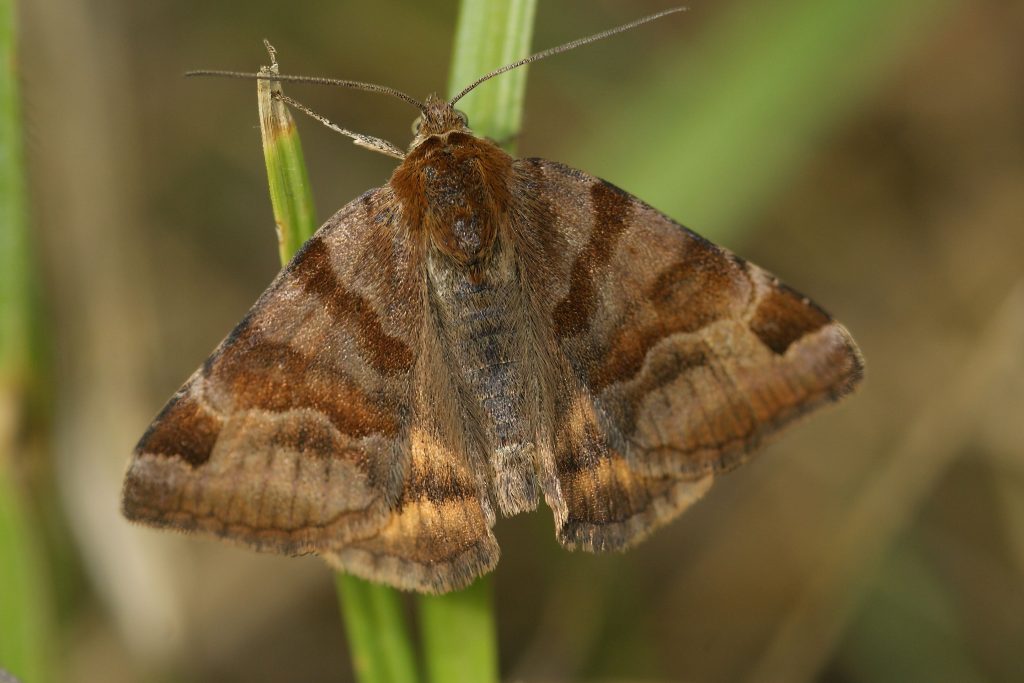
Moths in North Carolina number nearly 3,000 recorded species, though only a small handful ever cause a practical problem around a home. Pantry moths and clothes moths damage stored food and fabric, a few native caterpillar species have hairs that can irritate skin on contact, and some of the state’s largest, most eye-catching moths are simply worth recognizing rather than worrying about. This guide covers the species that actually matter and how to tell them apart.
Key Takeaways
- North Carolina is home to nearly 3,000 recorded moth species, though only a small handful ever cause practical problems around a home.
- Pantry moths and clothes moths are the two species homeowners most commonly deal with indoors; adult moths of both types don’t feed at all, so it’s always the caterpillars doing the actual damage.
- A few native caterpillar species, including the whitemarked tussock moth and hickory tussock moth, have urticating hairs that can irritate skin on contact, even from an old cocoon.
Moths in North Carolina: How Many Actually Matter
Nearly 3,000 moth species have been recorded in North Carolina, making moths one of the most diverse insect groups in the state. The overwhelming majority never interact with people at all, living out their entire lives in forests, meadows, and gardens. The species covered below are the ones actually worth knowing, either because they cause damage indoors, carry a minor safety concern, or show up often enough to be genuinely memorable.
Household Pest Moths
Two species account for nearly every indoor moth problem homeowners actually deal with. Both cause damage in different ways, but neither one is nearly as visible as the actual harm they do.
Pantry Moths
Pantry moths, most often the Indian meal moth, target dried goods stored in kitchen cabinets and pantries: grains, flour, pet food, nuts, seeds, and candy. An infestation usually shows up as small caterpillars or silk webbing inside a food container well before the adult moths themselves are noticed flying around a kitchen.
Clothes Moths
The webbing clothes moth is a small, golden-tan moth, only about a quarter inch long, whose caterpillars feed on wool, silk, and other natural fibers. Unlike pantry moths, clothes moths tend to stay hidden in closets, storage bins, and rarely disturbed fabric rather than flying around visibly, which is part of why an infestation can go unnoticed until damage to clothing or upholstery is already done.
Why Only the Moth Caterpillars Cause Damage
Adult pantry moths and clothes moths have reduced mouthparts and don’t feed at all during their short adult lives; their only purpose is to mate and lay eggs. Every bit of the actual damage, whether to stored food or fabric, comes from the caterpillars that hatch afterward, which is why spotting adult moths flying around is really just a signal to go looking for where the caterpillars are actually feeding.
Caterpillars With Irritating Hairs
A couple of native caterpillar species carry short, barbed hairs capable of causing skin irritation on contact. Neither one poses a serious medical risk, but both are worth recognizing before handling one directly.
Whitemarked Tussock Moth
The whitemarked tussock moth caterpillar is distinctive and easy to recognize, with dense white tufts of hair and two bright red bumps along its back, commonly found on oak, cherry, hackberry, and willow trees. Its urticating hairs can cause dermatitis in sensitive individuals, and this reaction has been reported often enough in daycares and elementary schools that direct handling is worth discouraging, especially with kids. North Carolina sees two generations of this species per year, and the irritating hairs remain a risk even in old cocoons found on bark.
Hickory Tussock Moth
The hickory tussock moth caterpillar is fuzzy, white and black, and most commonly encountered in fall, favoring hickory, walnut, pecan, and American hornbeam as host plants. Its barbed hairs detach easily and can become embedded in skin, eyes, or mucous membranes, typically causing a localized rash and itching rather than anything more serious. Exposure often happens accidentally, such as when moving firewood or reaching into areas where a caterpillar or its cocoon isn’t visible beforehand.
Moths That Damage Trees and Landscaping
Two species stand out for the visible damage their caterpillars can do to trees, though they go about it in very different ways. Knowing which one is responsible changes how much concern the damage actually deserves.
Fall Webworm
Fall webworm caterpillars spin silk webs around the outer tips of tree branches, a habit that distinguishes them from eastern tent caterpillars, which build their webs where two branches meet instead. Active from April through October in the Southeast, fall webworms can defoliate host trees in heavy infestations, though natural predators and disease usually keep populations in check without intervention.
Gypsy Moth (Spongy Moth)
The gypsy moth, increasingly referred to as the spongy moth, is an invasive species whose caterpillars can seriously damage hardwood trees during outbreak years. Unlike the fall webworm’s visible web, spongy moth caterpillars feed openly on foliage, and repeated defoliation over consecutive seasons can weaken or kill an otherwise healthy tree.
Notable Native Moths Worth Knowing
Not every moth in North Carolina is a nuisance; some of the largest are simply worth recognizing on sight.
Luna Moth
The luna moth is one of North Carolina’s largest and most recognizable moths, with lime-green wings spanning up to four and a half inches, a maroon border, and distinctive eyespots. Adult luna moths have no functional mouth or digestive system at all, meaning they can’t eat and live only about a week after emerging from their cocoon, just long enough to mate and lay eggs.
Other Showy North Carolina Moths
The rosy maple moth and io moth round out the list of North Carolina’s most commonly noticed large, colorful moths, both of which are harmless to people and property. Spotting one of these species is generally a pleasant surprise rather than any cause for concern.
Where to Find Moths Around Your Home
Pantry moths show up almost exclusively inside kitchen cabinets and pantries, often first noticed as webbing inside a bag of flour, pet food, or dried grains rather than as a flying adult. Clothes moths favor undisturbed fabric storage: closets, cedar chests, and boxes of out-of-season clothing kept in the same spot for months at a time. Tussock moth and other outdoor caterpillars are most often encountered on tree bark, in leaf litter, or on firewood piles, since cocoons frequently persist in these spots long after the caterpillar itself has moved on. Large, showy moths like the luna moth are typically spotted resting on siding or near outdoor lighting at night, drawn in by porch lights the way many night-flying insects are.
Preventing Moth Problems
Storing dry goods in sealed, airtight containers rather than their original packaging keeps pantry moths from reaching food in the first place, and periodically checking older stored grains or pet food catches an early infestation before it spreads. For clothes moths, regularly airing out and inspecting stored fabrics, along with proper cleaning before long-term storage, removes the food source their larvae actually need. Outdoors, keeping firewood away from the house and knowing what tussock moth caterpillars look like reduces the chance of accidental skin contact.
When a Moth Problem Needs a Professional
A single moth or caterpillar spotted occasionally rarely signals a real problem. Repeated pantry moth sightings across multiple food containers, visible fabric damage from clothes moths, or heavy caterpillar activity on landscape trees are all worth addressing directly, since those patterns point to an established infestation rather than a one-time encounter.
Get Pest Control for Your North Carolina Home
Sage Pest Control’s general pest control service across North Carolina addresses pantry and clothes moth infestations along with the broader conditions that let them take hold indoors. Sage is GreenPro certified and offers same-day service 90 to 95 percent of the time, with free re-services if activity returns between scheduled visits. Visit Sage Pest Control or contact the team to schedule an inspection.
Frequently Asked Questions
How do I get rid of pantry moths?
Start by throwing out any infested food and thoroughly cleaning the cabinet or pantry shelf, including corners and cracks where eggs or larvae might remain; a vacuum reaches into gaps a cloth can’t. Wiping the area down afterward with soapy water or diluted vinegar helps clear any lingering pheromone traces that could otherwise attract new moths back to the same spot.
Are the fuzzy caterpillars in my yard dangerous?
Most are just a mild skin irritant rather than a genuine danger. If contact does happen, the fastest relief comes from gently lifting embedded hairs off the skin, tape pressed against the area and peeled away works well, followed by washing with soap and water. Scratching or rubbing the spot first tends to drive the hairs in deeper and make the irritation worse.
Why do some moths show up at my porch light and others never do?
It comes down to species behavior. Large, showy moths like the luna moth are drawn to light at night the way many flying insects are, while household pest moths like pantry and clothes moths actively avoid light and stay hidden in cabinets, closets, and storage areas instead, which is part of why they can go unnoticed for so long.
