
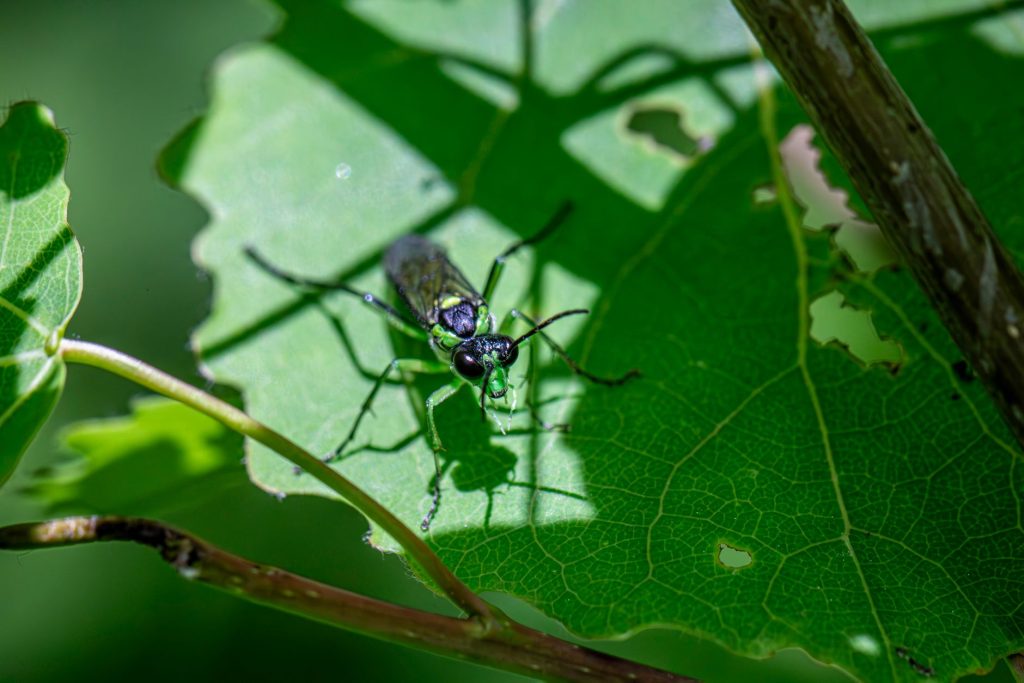
Plants That Eat Bugs can create costly problems when early signs are missed. Learn what to look for, why it matters, and when to call Sage Pest Control.
Key Takeaways About Plants That Eat Bugs
- Some insects feed on plants, while certain plants and beneficial insects can help keep pest populations in check around your home and garden.
- Most plant-feeding insects cause only minor cosmetic issues rather than serious structural or health concerns for homeowners.
- Understanding which bugs interact with your plants helps you decide when a problem needs attention and when nature is already handling it.
- Simple steps like washing plants with water and encouraging natural predators can help manage common plant pests.
How to Identify Plants That Eat Bugs
When you hear “plants that eat bugs,” you might picture a Venus flytrap on a windowsill. But the broader world of insect-plant interactions also involves bugs that eat plants and bugs that eat other bugs on plants. Understanding these relationships helps you figure out what you’re actually seeing in your garden or inside your home.
How to Tell Different Bug-Eating Plants Apart
One helpful starting point is learning to distinguish plant-feeding insects from predatory ones. According to UC IPM, true bugs that feed on plants have sucking mouthparts that point downward, perpendicular to the body. If you spot a small insect latched onto a stem or leaf with its head angled straight down, it may be drawing nutrients from the plant rather than hunting other insects.
Predatory insects look and behave differently. Some species may prey on other insects, while others are herbivores that feed on various types of plant material. Knowing which category you’re dealing with helps you decide whether the bug is a garden helper or a potential problem.
How to Spot Bug-Eating Plant Activity Inside Your Home
Certain beneficial insects that feed on plant pests can end up indoors. Lady beetles, including the multicolored Asian lady beetle, feed on aphids and other soft-bodied insects that can damage plants in gardens and landscapes, as University of Minnesota Extension notes. These beetles sometimes gather on interior walls or windowsills, especially during cooler months.
If you notice clusters of small, dome-shaped beetles near windows or light fixtures, they may have come inside after spending time on your outdoor plants. Their presence usually signals that soft-bodied plant pests were nearby in your yard.
Where Bug-Eating Plant Activity Shows Up Around Homes
Look at your garden beds, landscaping, and any potted plants on porches or patios. Plant-feeding insects tend to cluster on stems, leaf undersides, and new growth where sap is easiest to reach. Predatory species, by contrast, often patrol the same areas looking for prey.
Depending on the species, some insects in your yard may be predatory on other insects, while others feed on plant material. Observing whether insects are stationary on foliage or moving across leaves can offer a clue about their role.
Exterior Entry Points That Bug-Eating Plants Use
Insects associated with plant activity outdoors typically find their way inside through gaps around doors, windows, and foundation edges. Lady beetles and other garden-dwelling species are drawn to warm surfaces on the exterior of your home and may slip through small cracks.
Keeping an eye on the plants closest to your home’s exterior walls gives you an early look at which insects are active nearby. When populations build up on garden plants, the odds of those insects wandering indoors increase.
Why Bug-Eating Plant Problems Develop
When people search for plants that eat bugs, they often want to understand the relationship between insects and the greenery around their home. Many bugs depend on plants for food and shelter, and that connection is what drives pest activity near your yard and eventually inside your house. Understanding why insects gather around certain plants can help you make better decisions about what grows close to your foundation.
Outdoor Nesting Areas for Bug-Eating Plants
Certain insects establish themselves directly on the plant body in open fields and garden beds. Mirid bugs, for example, are hemimetabolous insects that live on the plant body of open fields, and their activity levels are affected by environmental temperatures. As temperatures shift through the seasons, these bugs become more or less active on the foliage around your home.
Some bug species are tied to specific plant types. Rhodnius robustus, a triatomine bug, typically inhabits Attalea palm trees, which serve as nesting habitat. When plants that harbor specific insect species grow near structures, the insects that depend on them may end up closer to your living space. When plants like these grow near structures, the insects that depend on them may end up closer to your living space than you would like.
Food and Shelter That Attract Bug-Eating Plants
Insects seek out plants for a range of food sources. Carpenter ants feed on dead and living insects, nectar, fruit juices, and sugary honeydew excreted by plant-sucking insects. That honeydew trail can draw ants from surrounding areas toward the landscaping near your home.
Pollen-producing plants can also attract beneficial insects. According to UF/IFAS Extension, providing pollen-producing plants as a food source for adult wasps may promote the establishment of beneficial insect species in nearby habitats. While helpful in garden settings, this same dynamic can bring more insect traffic to your property overall.
How Bug-Eating Plants Spread Around Homes
Insects that rely on plants for survival often follow vegetation corridors. Brown marmorated stink bugs are an invasive insect considered a major pest in some states, though plant damage levels can vary by region. When these pests move through landscaped areas, they may move toward nearby structures seeking overwintering shelter.
Temperature changes play a direct role in how quickly insects spread. Bugs living on outdoor plant bodies respond to warming and cooling cycles, which can push them toward the controlled environment of your home when conditions shift.
Trails and Entry Points Bug-Eating Plants Use
Overgrown vegetation touching your siding, roofline, or foundation creates a direct bridge for insects. Carpenter ants following honeydew trails on plant-sucking insects can travel along branches and stems right up to entry points on your home’s exterior.
Products with plant-based oils as active ingredients can kill ants and other insects on contact, but according to Oregon State University Solve Pest Problems, they do not perform any residual insect-killing activity. That means bugs using plant-lined pathways can return shortly after a surface application dries. Keeping vegetation trimmed back from your home reduces those direct routes.
Risks From Plants That Eat Bugs
When homeowners look into plants that eat bugs, the focus is usually on the plants themselves. But understanding the broader picture means looking at the insects drawn to your garden and the risks they can create around your home and yard.
Health Risks Linked to Bug-Eating Plants
Some bugs that interact with garden plants can pose minor health concerns. Millipedes, for example, do not bite. However, according to Texas A&M AgriLife Extension, some species emit noxious defensive secretions that can stain and even blister skin. If you handle millipedes near your garden beds, wear gloves to avoid contact with those secretions.
Fire ants are another concern in yards where plants attract insects. Fire ants feed on almost any plant or animal material, including other insects, ground-nesting animals, young trees, seedlings, plant buds, developing fruits, and seeds. Their presence near garden areas can increase the chance of unwanted encounters.
Property Damage From Bug-Eating Plants
Certain plant-feeding insects can open the door to secondary problems. According to UC IPM, boring insects such as bark beetles and clearwing moths, along with plant pathogens like canker and wood decay fungi, are more likely to appear after an initial borer attack on trees. That chain reaction can weaken ornamental and shade trees over time.
Some insects insert needle-like mouthparts into plant tissues, inject digestive enzymes, and suck the juices. While feeding on plants rarely causes major plant damage, those insects can excrete copious amounts of liquid that may leave leaves and fruit looking whitewashed when dry.
Food Areas and Bug-Eating Plant Activity
Gardens with fruit trees, seedlings, or developing produce can attract a wide range of pests. Fire ants, in particular, feed on developing fruits, seeds, and plant buds. When bug-eating plants sit near edible gardens, the insect activity they attract may spill into food-growing areas, creating competition between helpful and harmful species.
When to Look Closer at Bug-Eating Plant Activity
Keep an eye on your garden if you notice whitewashed residue on leaves, damaged seedlings, or an uptick in ant activity near plant beds. Millipede jaws are soft, restricting most species to feeding on soft, dead plant material, but a few species like the greenhouse millipede can damage soft plant tissues on young garden plants.
Secondary pest problems are worth watching for as well. If trees or shrubs show signs of borer damage, the follow-on arrival of bark beetles or wood decay fungi may compound the issue. Catching these patterns early gives you more options for protecting your yard.
Professional Pest Control for Plants That Eat Bugs
Carnivorous plants are fascinating, but when bugs gather around your landscaping in large numbers, the real question is whether those insects are creating problems for your home. Plants that attract or harbor pest populations can become a bridge between your yard and your living space. Understanding how to manage these attractants, inspect for warning signs, and work with professionals can help you stay ahead of pest activity around your property.
How to Reduce Attractants for Bug-Eating Plants
Certain plants in your landscape may support large populations of honeydew-producing insects such as aphids, soft scales, mealybugs, or whiteflies. According to UC IPM, outdoor ant nests may be associated with these plants. When these insect populations grow, they can draw ants and other pests closer to your home’s foundation and entry points.
One practical step is washing off plants with water to reduce whitefly and similar populations. Allowing naturally occurring predators and insect parasites to help control those populations can also make a difference. Keeping ornamental plants trimmed back from your home’s exterior reduces the overlap between plant-dwelling insects and your indoor spaces.
Managing honeydew-producing insects on ornamental plants in your home landscape is an important part of reducing pest pressure overall. When fewer insects congregate on your plants, fewer pests have a reason to set up near your doors and windows.
Why Bug-Eating Plant Control Starts With Inspection
Regular inspection of your plants and landscape beds is one of the most valuable habits you can build. However, some pests are difficult to spot even with consistent monitoring. As UC IPM notes, direct control of agave and yucca weevils is difficult because even with regular inspection of hosts, the insects are often not observed until the plant starts to collapse.
That reality applies to many plant-associated pests. By the time visible damage appears, insect populations may already be well established. A trained eye can catch subtle signs of activity, such as honeydew residue, sooty mold, ant trails, or early leaf damage, before the situation progresses further.
Sage Pest Control’s service professionals know what to look for during a property walkthrough. Checking your landscaping alongside your home’s perimeter gives a fuller picture of what may be driving pest activity indoors.
What to Expect During Professional Bug-Eating Plant Treatment
When Sage Pest Control visits your property, the process starts with identifying what insects are present and where they are concentrated. Ornamental plants that host aphids, soft scales, mealybugs, or whiteflies often need targeted attention because those insects attract secondary pests like ants.
Treatment plans account for the specific pest pressures around your home. Sage’s tri-annual programs use product rotation to prevent resistance, so your landscape and home receive consistent attention across seasons. The GreenPro-certified, EPA-standard products Sage uses are low-impact and environmentally friendly, which matters when treating areas near living plants.
Your service professional will also flag any landscape conditions that may be contributing to the problem, giving you practical guidance on adjustments you can make between visits.
What to Expect From a Bug-Eating Plant Control Plan
A well-rounded plan addresses both the insects on your plants and the pests they may be drawing to your home. Sage Pest Control covers 50-plus pest types, so whether your landscape is attracting ants, whiteflies, or other nuisance insects, the service adapts to your situation.
Same-day service is guaranteed, so when you notice a sudden uptick in pest activity around your plants, you do not have to wait. Sage’s seasonal programs are designed to address shifting pest pressures throughout the year, keeping your outdoor spaces and your home’s interior in better shape.
With 2,500-plus five-star reviews across Charlotte, Raleigh, Greensboro, and Virginia Beach, Sage has built a track record of showing up quickly and following through. Your plan will include ongoing monitoring so adjustments can be made as conditions around your property change.
Bottom Line on Plants That Eat Bugs
Understanding the relationship between plants and bugs helps you make smarter decisions about your landscape and your home. Some plants attract helpful insects that keep pest populations in check, while certain bugs can become a nuisance on ornamental plants and garden beds. Keeping your yard healthy, monitoring for pest activity, and knowing when to call in a professional can save you time and frustration.
If bugs on your plants are becoming a bigger concern or moving indoors, Sage Pest Control offers same-day service across Charlotte, Raleigh, Greensboro, and Virginia Beach to help you sort things out.
Frequently Asked Questions
Do Some Plants Actually Attract Bugs on Purpose?
Yes. Certain plants produce nectar and other substances that draw insects. Some of those insects, like aphids, excrete a sticky residue called honeydew that can attract even more bugs. Some of those insects, like aphids, feed on plant juices, while others, like lady beetles, arrive to feed on the smaller bugs. This creates a natural food chain right in your garden. Whether that cycle helps or hurts your plants depends on the types of insects involved and how large their populations grow.
Should I Worry About Bugs Feeding on My Plants?
In many cases, minor insect feeding does not cause lasting harm to otherwise healthy plants. Some bugs have soft mouthparts that limit them to feeding on dead or decaying plant material rather than living tissue. However, large populations of sap-feeding insects can leave visible residue on leaves and fruit. Monitoring your plants regularly helps you catch activity early and decide whether any action is needed.
Can Bugs on Outdoor Plants Lead to Indoor Pest Problems?
It can happen. Insects that gather on plants near your home’s exterior may find their way inside, especially during seasonal shifts. Keeping vegetation trimmed away from your foundation and reducing moisture around entry points are simple steps that may help lower the chances of outdoor bugs becoming indoor guests.
When Should I Call a Pest Professional Instead of Handling It Myself?
If you notice persistent insect activity spreading from your garden to your home, or if you are unsure what type of bug you are dealing with, a professional assessment can provide clarity. Sage Pest Control’s tri-annual programs include product rotation to help prevent resistance, and our team covers 50+ pest types. With 2,500+ five-star reviews and a same-day service guarantee, getting answers is quick and straightforward.
