
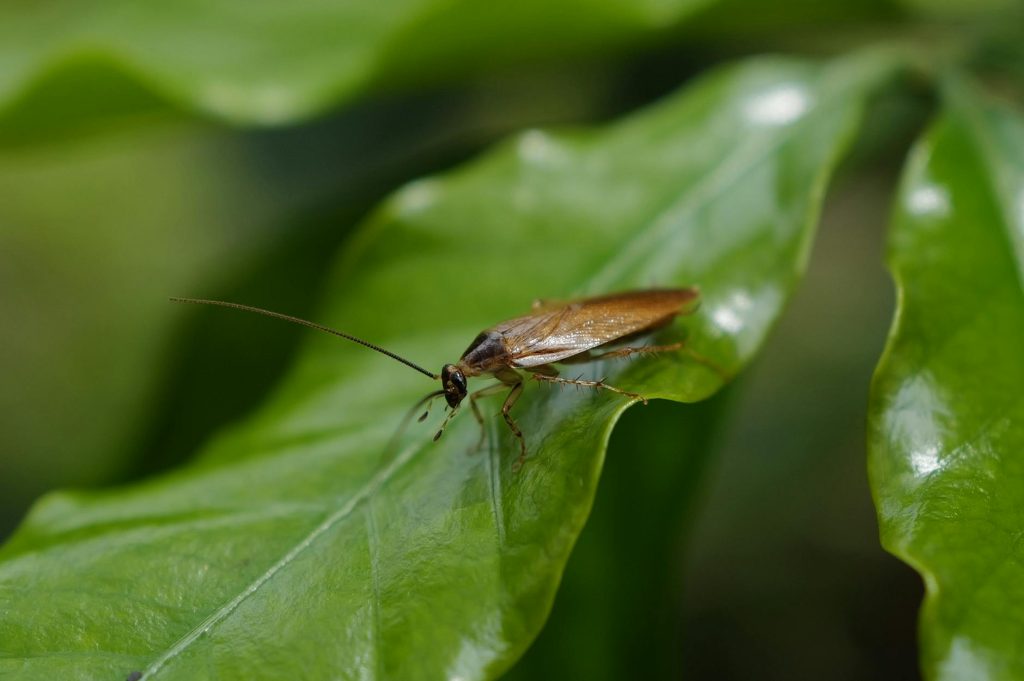
Red cockroach infestations can create costly problems when early signs are missed. Learn what to look for, why it matters, and when to call Sage Pest Control.
Key Takeaways About Red Cockroach
- Several cockroach species display reddish-brown coloring, so accurate identification is the first step toward choosing the right approach for your home.
- Cockroaches can carry disease-causing organisms and may trigger respiratory issues, making prompt attention worthwhile when you spot activity.
- Reducing moisture, sealing entry points, and keeping food areas clean are practical steps that help make your home less appealing to roaches.
- Because different species nest and behave differently, a professional inspection helps match the treatment to the specific cockroach you are dealing with.
How to Identify Red Cockroach
“Red cockroach” is a common catch-all term homeowners use when they spot a reddish-brown roach in or around the house. The trouble is that several cockroach species share that coloring, and each one behaves differently. Knowing which species you are dealing with is the first step toward solving the problem.
How to Tell Red Cockroach Types Apart
“Red cockroach” usually means one of a few reddish-brown species, and each one nests and behaves differently. Line up size, color, and where you spotted it to narrow down which one actually moved in.
/01
American cockroach
/02
Oriental cockroach
/03
German cockroach
Because these species nest and behave differently, a professional inspection is the fastest way to confirm which one you’re facing before treatment starts.
American cockroaches are among the largest species, with a reddish-brown body and a light yellow band behind the head. They prefer temperatures of about 80°F, roughly 5 to 10 degrees warmer than the range German cockroaches favor, according to UC IPM. German cockroaches are smaller, light brown with two dark stripes behind the head, and they favor warm, humid atmospheres in the 70° to 75°F range.
Oriental cockroaches are sometimes called “water bugs.” According to Purdue Extension, the female is about 1-1/4 inches long and the male about 1 inch, and both are dark brown in color. The Asian cockroach is another species that can appear reddish-tan. It readily flies and is attracted to light, which is rare for a cockroach and helps distinguish it from look-alike species.
How to Spot Red Cockroach Activity Inside Your Home
Cockroaches are most active at night and typically hide during the day in cracks, crevices, cabinets, and areas with food and moisture. If you see even one roach in a kitchen or bathroom, others may be nearby. Sticky traps are useful for catching roaches so you can identify the species, as noted by UC IPM.
German cockroaches are commonly found indoors in kitchens, bathrooms, and other warm areas with access to food and moisture. American cockroaches may enter homes in search of food and moisture as well, often turning up in basements or crawlspaces.
Where Red Cockroach Activity Shows Up Around Homes
Smokybrown cockroaches usually live outdoors in mulch, leaf litter, attics, and around rooflines, but they can enter homes during warm or humid weather. Oriental cockroaches prefer cooler temperatures than other species, and their populations often build to large numbers in masonry enclosures such as water meter boxes. Asian cockroaches tend to be found in shaded outdoor areas with leaf litter, mulch, or tall grass.
Exterior Entry Points Red Cockroach Use
Cockroaches can enter through small gaps in your home’s exterior walls and foundation. Drains, crawlspaces, and garages are common pathways, especially for American and Oriental cockroaches. Ensuring your garage door seal has no obvious gaps and placing covers on vents and drains can help reduce access points.
Because different cockroach species require different treatment approaches based on their nesting habits and preferred environments, accurate identification matters. If you are unsure which species you are seeing, placing a few sticky traps in areas of activity is a practical first step toward getting a clear answer.
Why Red Cockroach Problems Develop
When you spot a reddish-brown cockroach in your home, it usually means conditions nearby are giving it exactly what it needs: warmth, moisture, and food. Understanding what draws these pests in can help you figure out why they keep showing up.
Outdoor Nesting Areas for Red Cockroach
American cockroaches are reddish brown and can live outdoors, but they prefer dark, warm, and moist habitats. According to Kansas State University Extension, they may inhabit bathroom plumbing and storm drains, where they feed on decaying biological material. Sewer systems and outdoor drains give these cockroaches a reliable base close to your home’s foundation.
Food and Shelter That Attract Red Cockroaches
Different species gravitate toward different food sources. German cockroaches prefer cracks and crevices in warm locations near water and food. Brown-banded cockroaches can do well in drier areas and prefer starchy food. Keeping food sealed, cleaning up crumbs, and addressing moisture issues like leaks or standing water all reduce what cockroaches are searching for.
American cockroaches may come into contact with human excrement in sewers or with pet droppings outdoors, making the food sources they encounter a concern beyond just your kitchen.
How Red Cockroaches Move Around Homes
German cockroaches hide during the day and look for harborages in warm spots near food and water. You may notice tiny droppings deposited around these daytime hiding places. American cockroaches can transition from outdoor habitats like storm drains into bathroom plumbing, moving between outdoor and indoor spaces as conditions shift.
Trails and Entry Points Red Cockroach Use
Storm drains, bathroom plumbing, and gaps around your home’s exterior walls and foundation are common pathways. Keeping gutters and downspouts clear so water does not pool around your foundation also removes the moist conditions that draw cockroaches closer to entry points.
Risks From Red Cockroaches
Red cockroaches, including reddish-brown species like the American cockroach, can create real problems when they move through your home. Understanding what those risks look like helps you decide how seriously to take the signs you find.
Health Risks Linked to Red Cockroach
Cockroaches consume rotting, bacteria-laden biological matter and then spread disease-causing organisms around your home. They can carry pathogens across countertops, kitchen tables, and both stored and exposed foods. Diseases associated with cockroach activity include dysentery, typhoid fever, cholera, salmonellosis, gastroenteritis, leprosy, and plague.
If you or anyone in your household has asthma or another respiratory condition, cockroaches pose an additional concern. They release particulates into the air through shed skins and fecal matter that can trigger breathing problems. This issue tends to compound itself and worsen as an infestation grows larger.
Property Damage From Red Cockroach
While cockroaches are primarily a sanitation and health concern, their presence inside a structure can still affect your living space. Species that live indoors often concentrate in cracks, crevices, cabinets, behind appliances, and along baseboards, leaving behind droppings and shed skins in those areas. The longer activity goes unaddressed, the more these signs accumulate in hard-to-reach spots throughout your home.
Food Areas and Red Cockroach Activity
Kitchens and dining areas are high-priority zones because cockroaches seek out food and moisture. Crumbs, spills, unsealed food, and standing water all create conditions that allow cockroach activity to continue. These areas often become the center of indoor infestations, with cockroaches traveling across food-prep surfaces during nighttime hours.
Keeping food sealed, cleaning up after meals, and addressing leaks or standing water are important steps for reducing the conditions cockroaches need to thrive.
When to Look Closer at Red Cockroach Activity
Because cockroaches are most active at night and hide during the day, early signs are easy to miss. Spotting even a single cockroach in a kitchen, bathroom, or other moisture-prone area is worth investigating further. Different species require different treatment approaches since their behaviors and nesting habits vary, so identifying the species matters.
A thorough inspection can help locate nesting areas and determine which conditions may be contributing to the problem. Treatment can then be customized based on the type of cockroach, location of activity, and environmental factors in your home.
Professional Pest Control for Red Cockroaches
The answer depends on the species involved, where it is hiding, and what conditions are drawing it inside. Both nonchemical and treatment-based approaches play a role in bringing a cockroach infestation under control, and the right plan starts well before any product is applied.
How to Reduce Attractants for Red Cockroach
Cockroaches follow food and moisture. Even tiny crumbs or liquids can attract them, so consistent cleaning is one of the most practical steps you can take. Regularly vacuum indoor cracks and crevices, clean behind kitchen appliances, and wipe down floors and counters to remove anything that might draw cockroaches in.
Beyond the kitchen, limiting food consumption to specific areas of your home helps keep crumbs contained. Wash dishes daily, take out trash regularly, and place garbage in containers with locking lids. Addressing moisture issues such as leaking pipes, faucets, and hoses removes another key attractant.
Sealing openings in exterior walls and your foundation, placing covers on vents and drains, and making sure your garage door seal has no obvious gaps all help reduce the entry points cockroaches use to get inside.
Why Red Cockroach Control Starts With Inspection
A thorough inspection is the foundation of any cockroach control effort. Because different cockroach species behave differently and nest in different areas, identifying what you are dealing with determines what comes next. Sage Pest Control technicians begin by locating nesting areas and assessing the conditions that may be contributing to an infestation.
Inspection also reveals whether the issue is primarily indoors or outdoors. German cockroaches, for example, typically stay inside in kitchens, bathrooms, and other areas with moisture and food sources. American and oriental cockroaches, on the other hand, are often associated with outdoor environments or damp areas like crawlspaces and around foundations. Knowing the difference shapes every step of the control plan.
What to Expect During Professional Red Cockroach Treatment
Treatment is customized based on the species, the location of activity, and conditions in and around your home. For German cockroaches, treatment usually involves targeted interior applications in cracks, crevices, cabinets, under sinks, behind appliances, and along baseboards. Baits are especially useful against German cockroaches.
For American and oriental cockroaches, treatment of harborage sites may be required when populations are high and cockroaches are moving into buildings, according to UC IPM. This typically focuses on exterior treatments around the foundation and entry points, with interior spot treatments if activity is present inside.
All treatments use EPA-registered products applied according to label directions. Both product and nonchemical methods can play a part in controlling a cockroach infestation, as EPA outlines. Sanitation and preparation are also important components, particularly for indoor species.
What to Expect From a Red Cockroach Control Plan
At Sage Pest Control, technicians tailor the control plan to your specific situation. After the initial inspection and treatment, they may provide sanitation and prevention recommendations to help reduce the likelihood of future cockroach problems. Sage’s tri-annual programs use product rotation to help prevent resistance, so each visit builds on the last.
You can also count on speed when you need it. Sage guarantees same-day service and responds by text in under one minute. With GreenPro certification and low-impact, environmentally friendly products, the approach is designed to address the infestation while fitting the way you live in your home.
Bottom Line on Red Cockroach
Red cockroaches, a common name for reddish-brown species like the American cockroach, can show up in homes where moisture, food sources, and entry points make conditions inviting. Identifying the species matters because different cockroaches nest in different places and require different treatment approaches. Keeping your home clean, sealing gaps in exterior walls and foundations, and addressing moisture issues such as leaky pipes are practical steps that can help reduce the chance of cockroach activity.
When you spot signs of an infestation, a professional inspection helps pinpoint the species and locate harborage areas so treatment can be targeted where it counts. If you need help, reach out to Sage Pest Control for same-day service and a customized plan for your home.
Frequently Asked Questions
What Does a Red Cockroach Look Like?
Cockroaches often described as “red” are typically reddish-brown species such as the American cockroach. These are flat, oval-shaped insects with long antennae and six legs. American cockroaches are among the larger species, while others like the German cockroach are smaller and lighter brown with two dark stripes behind the head. Wings lie flat across the back in many species, and cockroaches are generally fast-moving and most active at night.
Are Red Cockroaches a Health Concern?
Cockroaches can consume rotting biological matter and may spread disease-causing organisms around your home, including over countertops, kitchen tables, and stored foods. Diseases associated with cockroach activity include salmonellosis, dysentery, and gastroenteritis. Shed skins and fecal matter may also release particulates into the air that can trigger breathing problems for people with asthma or respiratory conditions. These concerns can grow as an infestation becomes larger.
How Can I Prevent Cockroaches in My Home?
Wash dishes daily and vacuum floors regularly. Never leave food out on counters or tables, and limit eating to the kitchen and dining areas. Clean behind large appliances and fix any leaking pipes, faucets, or hoses. Keep gutters clear so water does not pool near your foundation. Seal openings in exterior walls, place covers on vents and drains, and make sure your garage door seal has no gaps. Take out garbage daily and store it in containers with locking lids.
What Does Professional Cockroach Treatment Involve?
Professional treatment starts with a thorough inspection to identify the cockroach species and locate nesting areas. Treatment is then customized based on the type of cockroach, the location of activity, and conditions contributing to the problem. Technicians may apply targeted treatments to cracks, crevices, cabinets, behind appliances, and along baseboards using EPA-registered products.
