
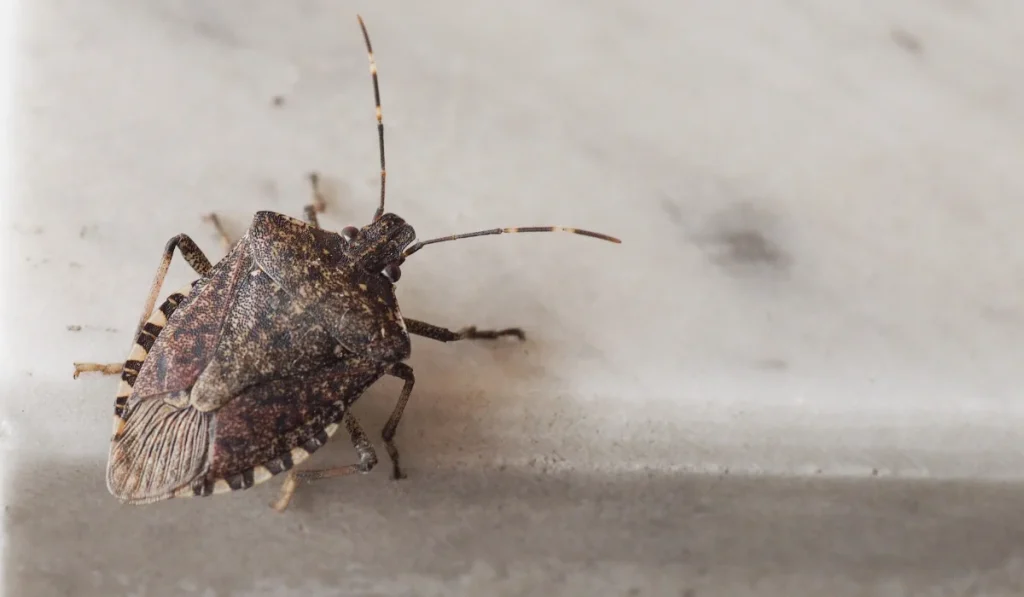
A cool September morning can make fall feel as though it arrived overnight. By midafternoon, the sun has warmed the house, and dozens of shield-shaped insects may be crawling around windows, rooflines, and exterior walls. Seeing stink bugs on siding during this shift is common because the insects have started searching for protected places to spend the winter.
The first cool week does not cause the movement on its own. Shorter daylight, seasonal changes, and favorable afternoon weather all influence when brown marmorated stink bugs leave feeding areas and approach buildings. Siding often becomes a temporary staging surface while they look for seams, vents, and other openings that lead to sheltered spaces.
For homeowners in Charlotte, Greensboro, Raleigh, Virginia Beach, and nearby communities, this exterior activity serves as an early warning. Finding stink bugs outside gives you a chance to inspect the home before more of them settle behind siding, inside attics, or within wall voids.
Why Stink Bugs Appear After the First Cool Nights
Stink bugs in fall are preparing for a period of winter inactivity called diapause. During spring and summer, adults and developing nymphs remain around trees, gardens, crops, and other food sources. As fall approaches, mature insects shift their attention from feeding to finding dry, protected overwintering sites.
This change often becomes noticeable during the first stretch of cool nights followed by mild, sunny afternoons. The insects may remain less active during a chilly morning, then begin flying and crawling as temperatures rise. A house that looked clear at breakfast can have visible clusters around siding seams and upper-story windows later in the day.
Shorter Days Help Start the Seasonal Movement
Temperature affects daily activity, but changing daylight also helps shape stink bug season. A Virginia field study published in Environmental Entomology documented a sharp increase in brown marmorated stink bug dispersal near September 21, around the autumnal equinox. The researchers concluded that day length likely helps trigger the shift toward winter shelter.
The same study found that daily movement often peaked between 2 p.m. and 4 p.m. Activity remained lower during cool, rainy, or windy conditions. This pattern explains why homeowners may notice the largest gatherings during a calm afternoon that follows a colder night.
The First Cool Week Is a Timing Marker
A sudden cluster does not mean the stink bugs recently hatched on the property. Brown marmorated stink bugs do not begin breeding on siding when temperatures drop. Most of the adults were already living and feeding in the surrounding landscape before moving toward the structure.
The first cool week acts more like a visible marker in an ongoing seasonal process. Daylight has shortened, nighttime temperatures have changed, and the insects are ready to move. When suitable flight conditions return, many can arrive at the same building within a short period.
Does Warm Siding Attract Stink Bugs?
Warm siding can make stink bug activity easier to see, but heat alone does not explain why they select a particular house. A sunlit wall may offer a comfortable surface for crawling during the afternoon. From there, the insects move upward and inspect trim, vents, windows, and roofline gaps.
Research has not shown a simple rule in which stink bugs always choose the warmest wall. Building design, nearby vegetation, exterior materials, wind exposure, shade, and access to protected openings can all influence where clusters form. Sun-warmed siding is better understood as a staging area than as the insects’ final destination.
The bugs are searching for places that can protect them from winter weather. They may remain outside for hours or days before finding a suitable gap. Once they enter the building envelope, they can move into dry, dark spaces that provide more stable conditions than an exposed exterior wall.
| What You Notice | What It Can Mean |
| Bugs spread across a sunny wall | Afternoon conditions are favorable for movement |
| Clusters around windows or trim | Nearby seams may provide access into the structure |
| Heavy activity near rooflines | Bugs may be following upward routes toward vents or gaps |
| Repeated activity in one location | A consistent entry point may be nearby |
| Indoor sightings weeks later | Bugs may already be overwintering in hidden spaces |
Why Some Houses Get More Stink Bugs Than Others
Why are stink bugs covering one house while the property next door has only a few? Differences in the surrounding landscape can affect how many adults reach each structure. Homes near wooded edges, gardens, orchards, or agricultural areas may have more nearby feeding habitat during the warmer months.
Brown marmorated stink bugs are now widespread across much of the region. According to NC State Extension’s brown marmorated stink bug update, the species was first reported in North Carolina in Forsyth County in 2009. By March 2026, confirmed records covered 80 of the state’s 100 counties.
Building Features Shape Where Bugs Gather
The number and location of entry points can matter as much as the siding material. Loose trim, worn weatherstripping, damaged screens, attic vents, soffit gaps, and openings around pipes or cables can make one building more accessible than another. Upper walls and rooflines may receive heavy activity because stink bugs tend to crawl upward while investigating a structure.
Exterior complexity also creates more sheltered places to pause. A plain wall with tight joints offers fewer hiding spots than a wall with shutters, decorative trim, utility boxes, vents, and overlapping materials. Clusters may appear concentrated around these features even when stink bugs are present on several sides of the house.
Every Side Of The House Deserves Attention
Homeowners often focus only on the brightest or warmest wall, but that can leave other active areas unnoticed. Wind, shade, nearby trees, wall height, and the shape of the building can affect where insects land and how they travel across the exterior.
Inspect the full perimeter during the afternoon, when movement is easier to observe. Pay close attention to window frames, door trim, gable vents, fascia boards, soffits, utility penetrations, and transitions between different siding materials. Repeated clusters in one spot may point to an opening that leads toward an overwintering site.
How Stink Bugs Move From Siding Into The House
Stink bugs on siding are not eating the exterior material or building a nest. They are using the wall as a route toward shelter. Adults can slip into narrow spaces around trim, vents, flashing, windows, doors, and other construction joints.
Once inside the building envelope, they may settle behind siding, in an attic, or within a wall void. They remain mostly inactive during colder conditions. Indoor warmth can wake some insects early, causing them to crawl into living areas and collect near windows or lights.
These indoor sightings can continue through winter and early spring, even when the original entry happened months earlier. Treating visible insects indoors does not close the opening they used or reach bugs hidden deep within the structure. Long-term stink bug prevention therefore depends heavily on exterior inspection and exclusion.
Brown marmorated stink bugs are nuisance pests rather than structural pests. The EPA’s brown marmorated stink bug guidance explains that they do not bite people, reproduce inside homes, or cause structural damage. Their main household effects are large numbers, repeated indoor appearances, and the odor they release when crushed or disturbed.
What To Do When Stink Bugs Cover Your Siding
When stink bugs start gathering on the house, first note where the heaviest activity occurs. Photographing clusters or recording their locations can help you inspect the same areas later. Look for nearby siding seams, loose screens, gaps around trim, damaged seals, and unprotected vents.
Repairing appropriate exterior openings can reduce future entry, but use care around features designed for airflow or drainage. Do not block weep holes, exhaust vents, or other functional openings with caulk or improvised materials. Use a suitable screen or building-safe repair method that preserves the feature’s purpose.
Address Exterior Gaps Before Peak Activity
The best time for major exclusion work is before large numbers of stink bugs begin entering the structure. Replace damaged weatherstripping and door sweeps, repair window screens, and seal suitable gaps around utility lines and exterior trim. Check attic and crawl space vents for missing or damaged screening.
Late-season sealing requires more caution. If insects have already moved behind siding or into wall spaces, closing every visible opening can trap them inside. They may then appear in rooms while searching for another route.
Rooflines, second-story trim, and steep sections of siding can be difficult to inspect safely. Those areas may require a qualified professional with the right equipment and experience.
Remove Indoor Stink Bugs Without Crushing Them
Use a vacuum to collect stink bugs that enter living spaces. Empty the contents promptly because the insects may release an odor after collection. A handheld vacuum reserved for pest cleanup can keep the smell out of the main household machine.
Avoid crushing stink bugs on walls, curtains, furniture, or carpet. Their defensive odor can linger, and body fluids may stain some materials. Indoor foggers and broad surface treatments also offer limited value against insects concealed inside walls and attics.
Professional stink bug control may be appropriate when large clusters return every fall, activity develops around inaccessible rooflines, or bugs repeatedly enter several rooms. A detailed inspection can help separate the visible gathering areas from the openings that allow indoor access.
Keeping Fall Stink Bugs Outside Your Home
The first cool week of fall does not create a new infestation on your siding. It makes an existing seasonal movement easier to see. Shorter daylight encourages brown marmorated stink bugs to seek winter shelter, while calm, warmer afternoons give them favorable conditions to reach and inspect buildings.
Acting while the bugs are still outside gives you more options. Track where they gather, inspect likely entry points, repair suitable gaps, and remove indoor insects without crushing them. These steps address both the immediate nuisance and the routes that can lead to repeated winter sightings.
For help with recurring stink bugs on siding, learn more about Sage Pest Control and its approach to residential pest service. You can also contact Sage Pest Control to discuss activity around your property and schedule an inspection.
