
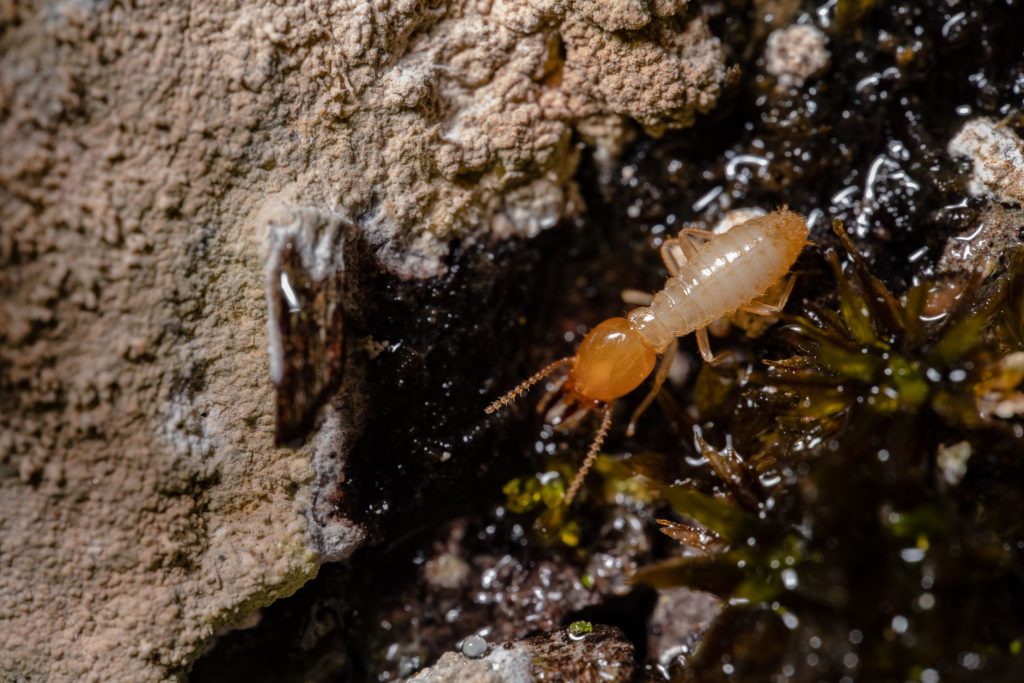
Know the difference between subterranean termites vs. drywood termites. Learn the signs, risks, and when to call Sage Pest Control to avoid costly problems.
Key Takeaways
- Subterranean termites live in the soil and travel into wooden structures, while drywood termites nest above ground inside the wood itself, with no soil connection needed.
- Because these two types of termites behave and nest differently, they can require different treatment approaches, so correct identification matters before choosing a plan.
- Both subterranean and drywood termites damage wood, but addressing moisture issues and minimizing termite access to your home are important steps regardless of the species involved.
- In North Carolina and the Virginia Beach area, subterranean termites are the most common species homeowners may encounter.
How to Identify Subterranean Termites vs. Drywood Termites
The quickest way to tell these two termite species apart is to look at where they nest. Subterranean termites live in the soil and build mud tubes to reach wood inside a structure. Drywood termites take a different approach. Their nests remain entirely above ground and do not connect to the soil, according to UC IPM. That single difference shapes every sign you will notice around your home.
How to Tell Termite Types Apart
Subterranean termites depend on moisture in the soil, so they maintain a constant link between their underground nest and the wood they feed on. Drywood termite species do not need that soil connection at all. They nest inside the wood itself, making them harder to detect early.
Both species can look similar at a glance. Workers tend to be pale, six-legged insects that resemble ants but lack the pinched waist ants have. Swarmers are roughly 3/8 of an inch long with wings that stack on top of each other. Identifying which termite species you are dealing with usually comes down to the signs they leave behind rather than the insects themselves.
How to Spot Termite Activity Inside Your Home
For subterranean termites, mud tubes along your foundation, crawlspace walls, or plumbing penetrations are the most recognizable signs. These pencil-width tunnels let the colony travel between soil and wood without drying out.
Drywood termite activity looks different. Because the nest stays entirely above ground, you may find small piles of frass near baseboards, door frames, or window frames. Drywood termites can show up in furniture and picture frames, as the University of Georgia termite guide notes. Keep in mind that multiple colonies of the same termite species, or even several different species, can infest a single building, so finding one sign does not rule out the other.
Where Termite Activity Shows Up Around Homes
Subterranean termites tend to appear wherever wood contacts or sits close to soil. Typical spots include the foundation perimeter, crawlspace supports, and areas with moisture issues. Most subterranean termite species consume wood at about the same rate, but certain factors can make some species potentially more damaging than others.
Drywood termite nests stay inside the wood they feed on, so activity can appear in attic framing, exposed wood trim, or even items brought into the home. Because their nest does not connect to the soil, drywood termites are not limited to ground-level entry the way subterranean species are.
Exterior Entry Points Termites Use
Subterranean termites enter through small cracks in the foundation, plumbing penetrations, or other openings where wood is in contact with soil. Their mud tubes are often visible on exterior foundation walls during an inspection.
Drywood termites can enter higher on the structure since they do not need a soil pathway. They may access your home through exposed wood along rooflines or upper-story trim. Recognizing which entry points are at play helps determine the right treatment approach, because different termite species can require different methods.
Why Subterranean and Drywood Termite Problems Develop
The core difference between these two termite types comes down to where they live and what they need to survive. Subterranean termites are soft-bodied and require moisture, so their colonies stay in the soil. Drywood termites need no soil contact or liquid moisture at all, obtaining everything they need from the wood itself. That single distinction shapes how each type finds your home, gets inside, and causes damage to wooden structures.
Outdoor Nesting Areas for Subterranean and Drywood Termites
Subterranean termite colonies are located below the soil surface, according to Kansas State University Extension, typically 1 to 30 feet deep. They follow moisture gradients to locate food sources, which means your yard’s soil conditions play a direct role in whether colonies settle nearby. Mature colonies can range from several hundred to several million individuals.
Drywood termites take a different approach. According to the University of Georgia termite guide, they require no soil contact and get all their moisture from wood and metabolic processes. Their colonies can develop entirely inside structural wood above ground, with no connection to the soil at all.
Food and Shelter That Attract Subterranean and Drywood Termites
Both types target wooden structures, but their needs differ. Subterranean termites depend on moisture, so conditions like unaddressed moisture damage near your home can draw colonies closer. According to Oregon State University Solve Pest Problems, removing sources of moisture and repairing moisture damage are key steps in minimizing termite access.
Drywood termites are less dependent on surrounding conditions. Because they pull moisture directly from the wood they consume, dry structural wood can still support their colonies without any additional water source nearby.
How Subterranean and Drywood Termites Move Around Homes
Subterranean termites build mud tubes to travel between their underground colonies and wood inside a structure. Their swarmers, which are black to caramel colored and measure 1/4 to 3/8 inch in body length, begin swarming as early as January and mostly finish by early July.
Drywood termite swarmers can land directly on exposed wood and start new colonies inside it. There is no soil trail or mud tube to follow, which can make their presence harder to notice at first.
Trails and Entry Points Subterranean and Drywood Termites Use
For subterranean termites, the entry points are ground-level: foundation cracks, plumbing penetrations, and wood-to-soil contact areas. Their colonies follow moisture gradients from the soil to the structure, so the trail often starts at the lowest point of your home.
Drywood termites skip the ground entirely. They can enter through any exposed wood, including areas well above the foundation. Because they need no return path to soil, their colonies can develop in upper stories or attic framing without any visible connection to the ground outside.
Risks From Subterranean Termites vs. Drywood Termites
The core difference between these two pests comes down to where they live and how they reach your home’s wood. Subterranean termites build nests in the soil and infest wood that touches the ground or access it through earthen shelter tubes. Drywood termites nest directly inside the wood itself and do not require soil contact at all. That distinction shapes the type of damage each one causes, where it shows up, and how quickly you might notice it.
Structural Risks From Subterranean and Drywood Termites
Because subterranean termites travel from the soil into your home’s structure, they typically target wood that is near or in contact with the ground. According to UC IPM, these pests build nests in soil and reach wood through earthen shelter tubes when direct contact is not available. That path gives them access to foundational framing and other load-bearing wood.
Drywood termites pose a different structural concern. They nest inside the wood they feed on and do not need a connection to the soil. This means they can establish themselves in wood well above ground level, including areas that homeowners may not routinely check.
Hidden Termite Damage in Homes
Subterranean termites leave a physical trail. Their shelter tubes are earth-hardened structures made by workers using saliva mixed with soil and bits of wood or even drywall. Spotting these tubes between the soil and wood in your home is one of the more visible signs of activity. Destroying any shelter tubes that subterranean termites have built between soil and wood structures is an important step during inspection.
Drywood termites, on the other hand, can be harder to detect early. Since they live entirely within the wood and do not build external tubes, the damage may stay hidden inside walls, trim, or other wood members until it becomes more advanced.
Belongings and Moisture Risks From Subterranean and Drywood Termites
Subterranean termites follow moisture. Their soil-based nesting habit means they are drawn to areas where wood and moisture meet, such as foundation penetrations or spots where wood contacts the ground. Conditions like plumbing leaks or poor drainage can create pathways these pests exploit.
Drywood termites do not depend on exterior moisture the same way. Because they nest in wood without requiring soil contact, they can infest wood in drier parts of your home. Both types of pests can affect more than just structural lumber if left unaddressed.
When a Termite Problem Needs Action
For subterranean termites, the presence of shelter tubes between soil and wood is a clear signal that the colony has already established a route into your home. A thorough inspection of the foundation, crawlspace, plumbing areas, and any exposed wood can help identify whether these pests are active.
With drywood termites, early detection is trickier since these pests leave fewer external clues. A professional inspection that checks areas like baseboards, door and window frames, and attic wood can help catch activity before it progresses. Different termite species can require different treatment approaches because they nest and travel differently, so identifying which pest you are dealing with matters before any plan moves forward.
Professional Pest Control for Subterranean and Drywood Termites
Because subterranean termites and drywood termites behave differently, the way a professional addresses each type of infestation also differs. Subterranean termites build working tubes from their nest in the soil to wooden structures, and those tubes may travel up concrete or stone foundations. Drywood termites, by contrast, can infest wood without any soil contact. That distinction shapes every step of prevention, inspection, and treatment.
How to Reduce Attractants for Subterranean and Drywood Termites
Homeowners can correct conditions conducive to a subterranean termite infestation on their own. Stucco siding that reaches the ground, for example, may promote termite infestations because termites can travel between the stucco and the foundation unseen. Keeping siding above the soil line and addressing any spots where wood contacts the ground can help reduce risk.
Replacing termite-damaged wood is another step you can handle without a professional. However, applications of registered treatments are regulated, so the control program itself requires a licensed pest control professional, according to UC IPM.
Why Termite Control Starts With Inspection
Finding live termites foraging within wood is a sure sign of an active infestation. If you break termite tubes open, you may see live workers and soldiers running through the tubes. These are the kinds of evidence a trained eye looks for during a thorough inspection.
At Sage Pest Control, the inspection covers the foundation, crawlspace, attic, baseboards, door and window frames, plumbing areas, and any exposed wood. The technician also checks for mud tubes, damaged wood, moisture issues, and other conducive conditions that could attract termites.
What to Expect During Professional Termite Treatment
Different termite species can require different treatment approaches. For subterranean termites, treatment typically focuses on soil treatments or termite bait systems installed around the perimeter of your home. Sage uses the Trelona Advanced Termite Bait System, with stations placed in the soil approximately every 10 to 20 linear feet. The active ingredient prevents termites from molting, and worker termites carry the bait back to the colony.
Another option is termiticide foundation trenching, where a barrier of liquid termiticide is applied in trenches around the foundation. Each application lasts approximately five years. The termiticide also has a transfer effect, allowing termites to spread it to other colony members.
What to Expect From a Termite Control Plan
After installation or treatment, Sage monitors your property regularly, checking stations and inspecting for any signs of termite activity. If activity is detected, the technician takes additional steps to maintain protection for the structure. Bait remains active for two to four years under typical conditions, and stations are inspected annually with bait replaced as needed.
For new construction, termite pre-treatments are applied directly to the soil before concrete is poured. These pre-treatments include a blue dye so building inspectors can verify correct application. Whether you are dealing with an existing infestation or planning ahead, the right control plan depends on which termite species is involved and how it is accessing your home.
Subterranean Termites vs. Drywood Termites: Bottom Line
Subterranean termites nest in the soil and travel into structures, while drywood termites settle directly inside the wood itself with no soil connection. That distinction shapes everything from the warning signs you look for to the treatment approach a professional recommends. Because different species call for different methods, a proper inspection is the starting point for any plan.
Registered termite treatments require a licensed pest control professional, so DIY options are limited beyond removing damaged wood and correcting conditions that invite activity. If you suspect termite activity in your home, contact Sage Pest Control to schedule a thorough inspection and get a treatment recommendation matched to the species involved.
Frequently Asked Questions
How Do I Know Which Type of Termite I Have?
A professional inspection is the most accurate way to identify the species, because a trained technician can distinguish mud tubes, frass, and damage patterns that look similar to an untrained eye. Subterranean termites typically leave mud tubes along foundations, while drywood termites tend to produce small pellet-like droppings near infested wood. Appearance alone can be tricky, so having a trained technician assess the evidence helps ensure the right treatment approach.
Can I Treat Termites on My Own?
Homeowners can replace damaged wood and correct moisture or access issues around the home. However, applying registered treatments is highly regulated and requires a licensed pest control professional to execute for either subterranean or drywood termites.
Do Both Types Cause the Same Kind of Damage?
Both types damage wooden structures, but they reach the wood differently. Subterranean termites travel from the soil into a structure, while drywood termites can infest wood without any ground contact. The location and pattern of damage often help a professional determine which species is present.
Why Does the Species Matter for Treatment?
Different termite species nest and behave differently, which means treatment strategies vary. For subterranean termites, treatment typically targets the connection between soil and structure through soil treatments or bait systems installed around the perimeter. Drywood infestations may call for a different set of methods. A correct identification ensures the treatment plan addresses the actual colony.
