
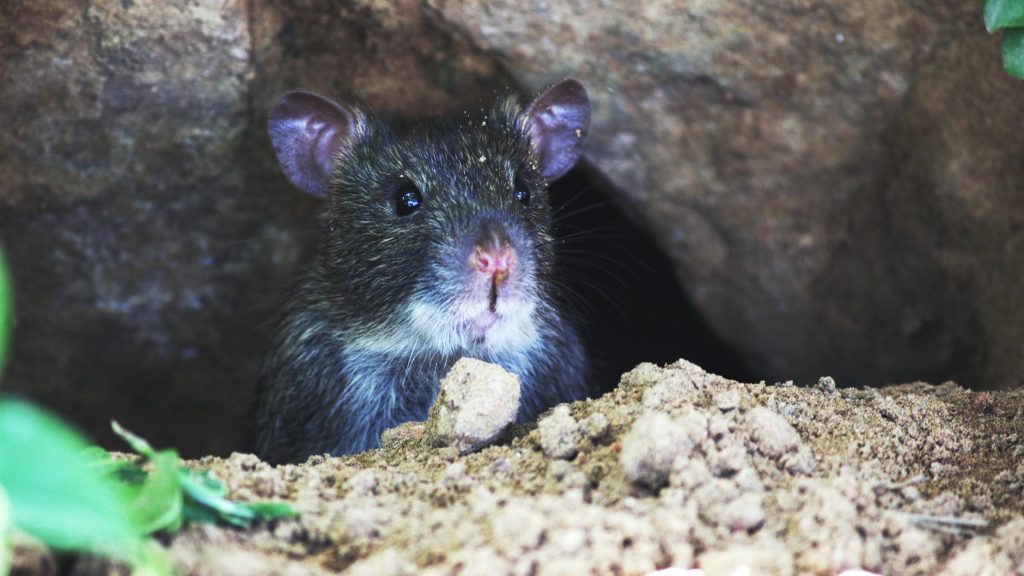
Mice can cause costly problems when early signs are missed. Learn what do mouse droppings look like, the signs, risks, and when to call Sage Pest Control.
Key Takeaways About What Do Mouse Droppings Look Like
- Mouse droppings are small, dark pellets that differ in size and shape from rat droppings, so knowing what to look for helps you figure out which rodent you may be dealing with.
- Droppings are one of several signs of a possible rodent problem, and finding even a small amount can justify taking action such as improving sanitation and sealing entry points.
- Where you find droppings matters. Location can tell you which areas rodents are traveling through and whether stored food may have been contacted.
- Addressing rodent droppings promptly and understanding the broader signs of activity can help you decide whether professional assistance is the right next step for your home.
What Do Mouse Droppings Look Like?
Finding small, dark pellets along a baseboard or inside a cabinet can stop you mid-step. Knowing exactly what mouse droppings look like helps you figure out what you are dealing with and whether a larger rodent might be involved. The differences come down to size, shape, and where you find them.
How to Tell Mouse Droppings Apart
House mouse droppings are pointed at the ends and measure about 1/8 inch long. That is noticeably smaller than what rats leave behind. According to the University of Tennessee Extension, roof rat droppings are also pointed but roughly 1/2 inch long, while Norway rat droppings are blunt-ended and about 3/4 inch long. If the pellets you are seeing are closer to the size of a grain of rice, you are likely looking at mouse droppings rather than rat droppings.
A young rat can look similar in overall body size to a house mouse, both around 6 to 7 inches. However, a young rat has noticeably large feet and a large head relative to its body, while a house mouse has small feet and a small head. Pairing dropping size with these body-proportion clues gives you a more reliable identification.
How to Spot Mouse Activity Inside Your Home
Look for droppings near food storage areas, in drawers, cupboards, and under sinks. Gnaw marks on surfaces can appear alongside droppings and confirm that a rodent has been active in the area. Even a single mouse or one set of fresh droppings and gnaw marks can justify taking action, including improving sanitation and sealing entry points.
Where there are mice, rodent mites may follow. According to Kansas State University Extension, these mites are tiny, roughly 1/32 inch, with eight legs and no wings or antennae. They feed and reproduce on mice and rats, so droppings paired with a rodent mite presence may indicate a secondary pest issue, since these mites move in search of a new host when the rodent host dies or leaves a nest.
Where Mouse Droppings Shows Up Around Homes
You may notice droppings along walls, near foundations, and around pipes or conduits where rodents travel. These pathways give mice cover as they move between nesting spots and food sources. Rodents can damage buildings, contaminate food, and transmit diseases to people, according to NPIC, so even a small number of droppings is worth investigating.
Exterior Entry Points Mice Use
Mice can squeeze through surprisingly small gaps. Look for droppings near foundation cracks, pipe entry points, and gaps around conduits on the outside of your home. Rodent-proofing the building by sealing these openings is a practical step once you confirm activity. Spotting droppings at an exterior opening often means mice are already moving inside.
Why Mice Problems Develop
Mouse droppings rarely appear out of nowhere. They show up because something in or around your home is giving rodents exactly what they need: a place to nest, a route inside, and a steady food source. Understanding why droppings accumulate in certain spots helps you figure out where the activity is concentrated and what’s driving it.
Outdoor Nesting Areas for Mice
Rodents often establish activity near foundations and along the exterior of structures. Signs of their presence, including droppings, gnaw marks, and grease marks, can appear along foundations and walls where rodents travel. These outdoor zones serve as staging areas before mice move closer to indoor food sources.
Food and Shelter That Attract Mice
Accessible food is the main driver. You may find droppings near food storage areas, inside drawers, in cupboards, and under sinks. These are all spots where mice can reach stored food with minimal effort. When food is left in these areas, rodents can contaminate it with droppings, hairs, and secretions, according to Oregon State University Solve Pest Problems.
The pattern is straightforward: wherever food sources are easy to reach, droppings tend to follow. Keeping food sealed and stored properly reduces what draws mice to those areas in the first place.
How Mice Move Around Homes
Mice don’t roam randomly. According to Texas A&M School IPM, signs of rodent activity appear along walls, pipes, and electrical conduits because rodents use these as travel routes. Grease marks, which are dark oil stains left where rodents rub against surfaces, often line these paths. You may notice droppings concentrated along the same corridors, connecting nesting spots to food sources.
Trails and Entry Points Mice Use
Pipes, conduit gaps, and wall edges act as highways for mice moving between outdoor areas and indoor food. Droppings along these routes confirm repeated use. Pilfered food packaging and gnaw marks often appear alongside the droppings, reinforcing that a trail is active rather than old.
When you spot droppings in a line rather than a single cluster, that’s usually a travel path worth investigating further. These trails connect entry points to the food sources mice rely on inside your home.
Risks From Mouse Droppings
Finding mouse droppings is more than a nuisance. Those small pellets can signal a larger problem that touches your family’s well-being, your stored food, and the condition of your home. Understanding the risks tied to droppings helps you decide how quickly to act once you spot them.
Health Risks Linked to Mouse Droppings
Rodents present serious public health threats by spreading diseases. According to the EPA, rodent-borne diseases can be transmitted through contact with droppings and other waste. This means the droppings you find along a baseboard or inside a cabinet may carry pathogens that pose a real concern for anyone living in the home.
Because droppings can accumulate in areas where you prepare or store food, the potential for exposure grows if the problem goes unaddressed. Recognizing what mouse droppings look like early gives you a head start on reducing that risk.
Property Damage From Mice Activity
Droppings are often just the visible evidence of a broader issue. Rodents create substantial annual damage to property, crops, and food supplies throughout America. Where you find droppings, you may also find damage to materials nearby, since mice tend to gnaw and nest in the same spaces they frequent.
Certain non-native rodent species pose particularly notable problems for homes and structures. Spotting droppings early can help you gauge how active the issue is before property damage accumulates further.
Food Areas and Mice Activity
Rodents cause substantial damage to food supplies. Droppings found near pantries, counters, or storage bins suggest mice have been accessing those areas. Even a small number of pellets in a food zone warrants a closer look, because it usually means the mice have already been feeding nearby.
Cleaning up droppings without addressing the source of the problem often leads to finding more pellets in the same spots within days. You have options for ridding your property of a rat or mouse infestation, so acting on what you see is a practical next step.
When to Look Closer at Mouse Activity
A single dropping can be easy to overlook, but clusters or repeated sightings in the same area suggest ongoing activity. Paying attention to the condition of the droppings you find can help you judge whether the activity is recent or old.
If you keep finding droppings after cleaning, the mice are still active in your home. That repeated pattern is a clear sign the situation deserves a closer look and a plan to address the root cause.
Professional Pest Control for Mice in Raleigh
Once you have identified mouse droppings in your home, the next step is figuring out how to address the issue. A professional approach focuses on prevention, thorough inspection, and a structured control plan rather than jumping straight to reactive measures.
How to Reduce Attractants for Mice
If you are finding droppings, mice are finding something worth coming back for. According to NPIC, experts recommend an IPM approach that prioritizes prevention, sanitation, and exclusion before considering rodenticides. That means keeping your home clean and removing the food and shelter sources that draw mice inside.
Sanitation is one of the most practical first steps you can take. Store food in sealed containers, keep counters wiped down, and avoid leaving anything out overnight. The goal is to make your home a less appealing destination so mice move on rather than settle in.
Why Mouse Control Starts With Inspection
Finding droppings is a signal, but it does not always tell you where mice are nesting. A careful inspection helps trace the trail back to entry points and harborage areas. Staying alert for signs of activity is a critical first step in prevention, since mice often stay hidden and may go unnoticed until evidence like droppings appears.
Exclusion, or sealing up the gaps mice use to get inside, is a core part of the IPM framework. Professionals look for openings that homeowners typically overlook and focus on closing those pathways before turning to other control methods.
What to Expect During Professional Mouse Treatment
A professional service starts with a thorough inspection of your home to locate activity and potential entry points. According to NPIC, experts recommend an IPM approach that includes prevention, sanitation, and exclusion before turning to rodenticides. When nests are difficult to locate, professionals may use bait stations as part of a broader control plan. This approach targets mice where they are active rather than relying on guesswork.
Professionals also focus on exclusion work to keep new mice from entering. Combining bait placement with physical barriers addresses both the current population and future risk, following the IPM framework that prioritizes long-term results over short-term fixes.
What to Expect From a Mouse Control Plan
A structured control plan follows the IPM hierarchy: prevention and sanitation come first, exclusion seals off access, and rodenticides are reserved as a last resort. This layered approach helps address the root cause rather than just the symptoms you see on your kitchen floor.
Sage Pest Control offers same-day service and uses environmentally friendly, low-impact products. With a tri-annual program and product rotation to help prevent resistance, the focus stays on keeping your home protected over time rather than chasing one problem after another.
What Do Mouse Droppings Look Like: Bottom Line
Knowing what mouse droppings look like helps you act quickly when something turns up in a cabinet or along a baseboard. Small, dark, pointed pellets are the hallmark of a mouse, and their size and shape can help you tell them apart from rat droppings. Finding droppings alongside other signs is a good reason to improve sanitation, seal entry points, and consider professional help. If you spot droppings in your home and want a hand figuring out the next step, reach out to Sage Pest Control for same-day service.
Frequently Asked Questions
How Can I Tell Mouse Droppings From Rat Droppings?
Mouse droppings are generally much smaller than rat droppings. Shape matters too: mouse pellets tend to be pointed at the ends, while rat droppings may be blunt or pointed depending on the species and are noticeably larger overall. Comparing size and shape together gives you the clearest answer.
Where Are Droppings Most Likely to Show Up?
You may find droppings in areas where mice travel or search for food. Drawers, cupboards, spots near food storage, and areas under sinks are common places to check. Droppings along walls or near pipes can also point to regular travel routes.
Should I Be Concerned About a Few Droppings?
Even a small amount of evidence can justify taking action. Droppings suggest that at least one rodent is active in your home, and where there is one, there may be more. Improving sanitation and sealing gaps early can help keep the situation from growing.
What Other Signs Should I Look For Besides Droppings?
Droppings are one piece of the puzzle. Gnaw marks on food packaging or building materials, pilfered food, and dark greasy marks along walls or foundations can all point to rodent activity. Noticing multiple signs together gives you a more complete picture of what you are dealing with.
