
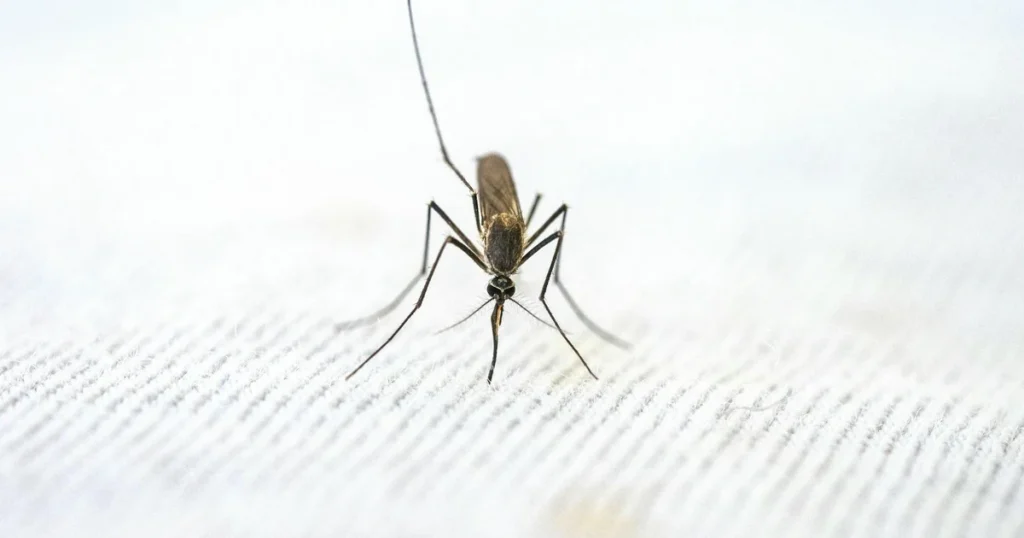
Mosquito season in Virginia runs March through October, peaking July–August when heat and humidity keep populations at their highest.
Key Takeaways
- Virginia Beach mosquitoes emerge in March and stay active through October, with peak pressure in July and August.
- Temperatures above 50 °F trigger mosquito activity; above 80 °F, populations surge.
- The Asian tiger mosquito is the dominant species in Virginia and bites during the day, not just at dusk.
- Standing water as shallow as a bottle cap breeds hundreds of eggs within days.
- Professional recurring treatments, combined with yard modifications, deliver the strongest reduction in mosquito activity.
When Mosquito Season in Virginia Starts and Ends
Mosquitoes in Virginia begin appearing in March as daytime temperatures climb above 50 °F. Activity stays low through spring and accelerates sharply once temperatures hit the 70s. By late June, most of the state is dealing with significant mosquito pressure. The season runs roughly seven to eight months in coastal areas like Virginia Beach, where mild winters and high humidity extend both ends of the window.
The mosquito season peaks in July and August. Warm nights, standing water from summer storms, and dense landscaping create near-perfect breeding conditions. Activity starts tapering in September as temperatures drop. Most adult mosquitoes in Virginia die off or become dormant by early November, though warm stretches in October can bring brief resurgences.
Monthly Mosquito Activity in Virginia Beach
Virginia Beach sits in a coastal zone where winter temperatures rarely stay low enough to shut mosquito populations down completely. Eggs laid in fall can survive winter in moist soil and hatch when spring warmth returns. Residents near tidal wetlands, retention ponds, or heavily landscaped neighborhoods typically see mosquitoes emerge two to three weeks earlier than inland areas.
Here is how activity builds through the season:
- March–April: Isolated sightings near standing water; low overall activity.
- May–June: Populations expand; evening bites become common.
- July–August: Peak season. Day and night biting. High humidity accelerates breeding cycles.
- September–October: Activity slows but remains noticeable through warm stretches.
- November–February: Dormant period; eggs overwinter in soil and containers.
What Drives Mosquito Activity in Virginia Yards
Temperature and standing water are the two biggest factors controlling mosquito populations in Virginia. Female mosquitoes need water to lay eggs, and they need warmth to complete their development cycle. When both conditions are present, a single female can lay up to 300 eggs at a time, and those eggs hatch into larvae within 24 to 48 hours in warm weather.
Mosquitoes develop through four stages: egg, larva, pupa, and adult. In summer temperatures, the full cycle from egg to biting adult takes as little as seven to ten days. That compressed timeline explains why populations explode after heavy rainfall. Every low spot in your yard that holds water for a week becomes a breeding site.
How Mosquitoes Find You in Virginia
Female mosquitoes locate hosts by sensing carbon dioxide, body heat, and sweat. Dark colors absorb heat and make you more visible to them. Light colored clothing reduces that signal. Mosquitoes are most active at dawn and dusk when temperatures cool, but the Asian tiger mosquito bites throughout the day, which means Virginia homeowners face exposure during outdoor activities at any hour.
What Keeps Mosquito Populations High in Virginia
Virginia’s summer humidity gives mosquito populations a strong seasonal advantage. Heavy rainfall fills bird baths, pet bowls, clogged gutters, and hollow logs. Even animal burrows near the property line can collect water and support larvae. The combination of warm temperatures and regular summer storms means conditions rarely stay dry long enough to interrupt a breeding cycle between June and August.
Shaded landscaping compounds the problem. Mosquitoes rest on the underside of leaves during the hottest part of the day. Dense shrubs, overgrown bushes, and shaded areas around patios and decks give mosquitoes a place to shelter and re-emerge at dusk. Reducing that harborage is a key part of any effective yard program.
Mosquito Species Found in Virginia: Asian Tiger Mosquito
The Asian tiger mosquito (Aedes albopictus) is the most common mosquito Virginia homeowners encounter. A statewide survey published in the Journal of Medical Entomology found that Aedes albopictus accounted for 81% of over 67,000 mosquito specimens collected across 18 North Carolina counties, and the same species dominates Virginia Beach and the surrounding region. It is recognizable by its black body and white striped legs.
Unlike the common house mosquito, the Asian tiger mosquito bites during daylight hours. It breeds in small containers, which is why bird baths, pet bowls, and flower pot saucers become significant sources even in well-maintained yards. Research published in the Journal of the American Mosquito Control Association confirmed that this species has spread across all 100 North Carolina counties, with similar saturation across coastal Virginia.
Other Mosquito Species Found in Virginia
The common house mosquito (Culex pipiens) is the primary nighttime biter in Virginia Beach. This species breeds in stagnant water, including neglected gutters and unmaintained ornamental ponds. A third species, Aedes aegypti, appears in small numbers in the southernmost parts of the state. Most mosquitoes a Virginia homeowner encounters, though, will be the Asian tiger or house mosquito.
Mosquito-Borne Diseases to Watch in Virginia
West Nile virus is the leading mosquito-borne disease in Virginia, transmitted by Culex mosquitoes that feed on infected birds and then bite humans. Most people infected with West Nile virus develop flu-like symptoms or no symptoms at all, but a small percentage develop severe neurological complications. Surveillance data published in MMWR tracks West Nile as the dominant arboviral disease in the eastern United States year over year.
Eastern equine encephalitis is a rarer but more severe disease present in Virginia, with a higher fatality rate than West Nile virus. La Crosse encephalitis, carried by a different Aedes species, affects primarily children in wooded, humid regions. Zika virus and yellow fever remain historically significant mosquito-borne diseases, though current transmission risk within Virginia is low. Malaria was once endemic in Virginia’s coastal areas and remains a reference point for understanding how aggressively mosquitoes spread disease when populations go unmanaged.
An infected mosquito passes these viruses through its saliva during a bite. No vaccine exists for most of these diseases, which makes reducing mosquito bites and controlling mosquito populations the primary lines of defense.
How to Prevent Mosquito Bites and Protect Your Yard in Virginia
Eliminating standing water is the single highest-impact step you can take to reduce mosquito populations around your home. Walk your yard after every rain and tip out anything that collects water: bird baths refreshed every two to three days, pet bowls brought inside overnight, clogged gutters cleared so water flows freely. Flower pot saucers, tarps, and toys left in the yard all collect rainwater and breed eggs within days.
Personal protection during peak hours matters too. The EPA’s integrated pest management framework recommends repellent products registered with the Environmental Protection Agency for skin application. Products containing DEET, picaridin, or oil of lemon eucalyptus provide the strongest documented protection against bites. Wearing long sleeves and light colored clothing during dawn and dusk hours reduces exposure when house mosquitoes are most active. Staying indoors during peak evening hours on high-pressure nights is the most direct way to avoid bites entirely.
Yard Modifications That Stop Mosquitoes in Virginia
Dense landscaping feeds the problem as much as standing water does. Trim shrubs and bushes to reduce shaded resting areas. Keep grass cut short so adult mosquitoes have fewer places to shelter during the day. Address moisture-retaining areas around patios, fences, and decks. These modifications do not replace professional treatment, but they extend the time between service calls and improve results between visits.
Professional Mosquito Control Services in Virginia Beach
Professional mosquito control targets the harborage areas where mosquitoes rest, not just the open spaces where they bite. Sage Pest Control technicians begin every service with a property inspection to identify dense shrubs, shaded foliage, standing water, and other areas where mosquitoes are likely to breed or shelter. Treatment uses EPA-registered products applied with professional mist blower equipment to the underside of leaves, undergrowth, and shaded vegetation where mosquitoes spend daylight hours.
Most treatments cover a residential property in approximately 20 to 30 minutes, depending on landscaping volume and yard size. Because mosquito populations rebuild quickly in Virginia’s humid summers, control is most effective on a recurring schedule throughout mosquito season. Products are applied directly to harborage areas and continue working to reduce mosquito activity even after normal rainfall, though heavy weather can reduce effectiveness between visits.
If you continue to experience mosquito activity between scheduled treatments, Sage will return and re-treat the property at no additional cost. That guarantee reflects the reality that a single treatment does not resolve a full season of pressure. Recurring service, timed to stay ahead of Virginia’s breeding cycles, delivers the most consistent results for homeowners in Virginia Beach and the surrounding area.
Bottom Line on Mosquito Season in Virginia
Mosquito season in Virginia runs from March through October, with the hardest pressure in July and August when temperatures and humidity peak together. The Asian tiger mosquito dominates in Virginia Beach and bites throughout the day, not just at dusk. Standing water anywhere on your property can breed hundreds of mosquitoes within a week. Removing water sources, trimming harborage, using EPA-registered repellent, and scheduling recurring professional treatments gives you the best chance of reclaiming your yard through the long Virginia summer.
Frequently Asked Questions
When do mosquitoes come out in Virginia Beach specifically?
Virginia Beach mosquitoes typically emerge in late March, earlier than inland parts of the state because coastal temperatures stay milder through winter. Activity builds through May and June and peaks in July and August. The season usually winds down by early November, though warm October weeks can extend it.
What temperature do mosquitoes become active in Virginia?
Mosquitoes become active when temperatures rise above 50 °F. Development accelerates above 70°F and populations surge when temperatures stay consistently above 80 °F. Below 50 °F, adult mosquitoes cannot survive long, and most either die or enter a dormant state waiting for warmer weather.
What is the most common mosquito species in Virginia?
The Asian tiger mosquito is the dominant species in Virginia. It breeds in small containers, bites during daylight hours, and is present throughout the state. The common house mosquito is the primary nighttime biter and is responsible for most West Nile virus transmission in the region.
How do I reduce mosquitoes in my yard in Virginia?
Empty anything that holds standing water every two to three days, including bird baths, pet bowls, and gutters. Trim dense shrubs and shaded vegetation where mosquitoes rest. Apply EPA-registered repellent when spending time outdoors. For the strongest yard-wide reduction, schedule recurring professional mosquito treatments through mosquito season.
