
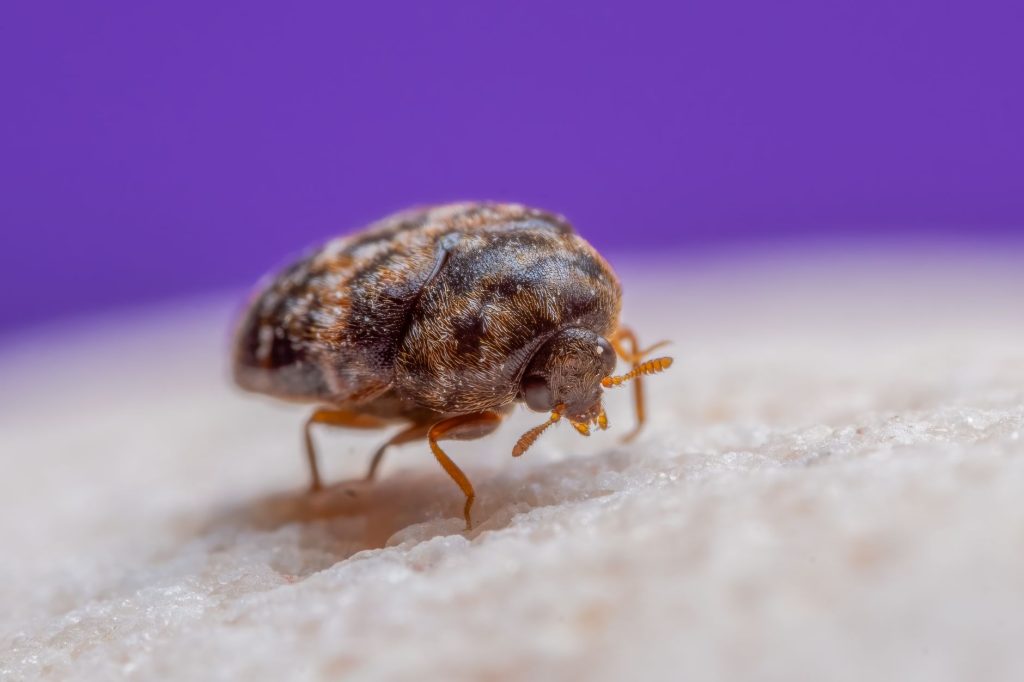
Bed bugs can create costly problems when early signs are missed. Learn what to look for and when to call Sage Pest Control for effective bed bug removal.
Key Takeaways About Bed Bug Removal
- Bed bugs can be difficult to spot because they tuck themselves into tight spaces near where you sleep, making them easy to overlook.
- Reducing clutter and using protective encasements on mattresses and box springs can help limit where bed bugs settle in your home.
- Sage Pest Control’s bed bug treatment includes a detailed inspection by a state-certified inspector, targeted treatment across common hiding areas, and a complimentary two-week follow-up, all backed by a 90-day unlimited warranty.
- Pricing starts at $300 per bedroom plus $300 for the rest of the home, with same-day service available.
How to Identify a Bed Bug Infestation
Knowing what bed bugs look like and where they tend to show up is the first step toward getting them out of your home. These pests are small and good at staying hidden, so knowing what to look for goes a long way when you start searching.
How to Tell Bed Bug Types Apart
Bed bugs are small, flat, oval-shaped insects. Adults are reddish-brown and grow to about five to seven millimeters, roughly the size of an apple seed. In the nymph stage, they start out a creamy white color and darken as they mature. Their flat shape makes it easy for them to tuck into tight spaces, and their small size can make early-stage infestations tough to spot with the naked eye.
One important thing to keep in mind: bed bugs are not a sign of poor hygiene. According to Texas A&M AgriLife Extension, they can be found in high-end hotels as well as budget accommodations. Anyone can bring them home, regardless of how clean the space is.
How to Spot Bed Bug Activity Inside Your Home
You may not always see the bugs themselves right away. Bed bug bites may take a few hours to as long as nine days to appear. Some people develop lesions resembling mosquito bites due to a sensitivity to bed bug saliva, while others show no visible reaction at all. Unlike mosquito bites, bed bug bites usually do not have a red dot in the center and tend to appear in lines or clusters, while flea bites are typically random and concentrated around the ankles.
Because not everyone reacts to the bites, it is possible to have an infestation without anyone in your household noticing bite marks at all.
Beyond bites, look for small red dots of blood on your sheets or blankets. These stains, along with the presence of tiny brown spots, can signal that bed bugs are active nearby.
Where Bed Bug Activity Shows Up Around Homes
Bed bugs prefer to stay close to where you sleep or rest. Approximately 80% are found within three to five feet of a bed’s headboard. They are drawn to your warmth and the CO2 you produce when you exhale.
To check, use a flashlight and search along the seams of your mattress and box spring. Inspect your headboard and any furniture where you or your family spend time resting. Bed bugs also hide in bed frames, baseboards, and furniture throughout the room.
Exterior Entry Points Bed Bugs Use
Bed bugs do not typically enter your home from the yard or landscape the way many other pests do. Instead, they travel on luggage, clothing, secondhand furniture, and personal belongings. They can move between rooms in multi-unit buildings as well.
Because they hitchhike rather than crawl in from outside, focusing your inspection efforts indoors, especially around sleeping areas, gives you the best chance of catching activity early.
Why Bed Bug Removal Problems Develop
Bed bug problems often catch homeowners off guard because these pests are small, secretive, and drawn to the places where you spend the most time resting. Understanding where they settle, what keeps them there, and how they spread through your home can help you spot the early signs before things get harder to manage.
Outdoor Nesting Areas for Bed Bugs
Bed bugs are indoor pests. They don’t nest in yards or gardens the way ants or mosquitoes do. Instead, they stay near their food source: you. According to the EPA, bed bugs hide in narrow spaces when not feeding, occupying spots around and near beds. Their world revolves around sleeping and resting areas rather than any outdoor habitat.
Food and Shelter That Attract Bed Bugs
Bed bugs feed on the blood of humans and warm-blooded animals. They are attracted by body warmth and exhaled CO2. Between feedings, they tuck themselves into mattress seams, box springs, cracks in furniture, and personal belongings near sleeping sites.
Clutter plays a big role in how quickly a problem grows. As the EPA notes, a cluttered home gives bed bugs more places to hide. The more undisturbed spots available, the easier it is for them to stay out of sight.
How Bed Bugs Move Around Homes
Bed bugs typically start near the bed, but they don’t always stay put. As an infestation increases in number, bugs may move to other furniture, hiding in cracks along floorboards, under switch plates and outlets, and even inside electronics such as clocks, televisions, and smoke detectors.
This outward movement is one reason early detection matters. The longer bed bugs go unnoticed, the more hiding spots they can occupy throughout your home.
Trails and Entry Points Bed Bugs Use
Bed bugs travel short distances between their hiding spots and where you rest. Common harborage points include mattress seams, box springs, bed frames, baseboards, and furniture crevices. They also hide behind electrical outlets and picture frames, and even in popcorn ceilings.
Caulking and sealing cracks where bed bugs hide can reduce available entry points. Bed bug traps placed near furniture legs can intercept bugs moving to or from the bed, trapping them before they reach you.
Risks From a Bed Bug Infestation
Bed bug removal is about more than just comfort. When these pests settle into your home, the risks extend to your health, your belongings, and the spaces where your family spends the most time. Understanding what can go wrong helps you prepare and respond with the right steps.
Health Risks Linked to Bed Bugs
Bite reactions vary widely among household members. Some people develop itchy welts, while others show no reaction at all. This inconsistency means an active problem can go undetected for days or weeks, allowing the infestation to grow.
Because bedrooms are a primary target, bed bugs can disrupt rest for your entire family.
Property Damage From Bed Bugs
Bed bugs can work their way deep into mattresses, box springs, and upholstered furniture. Specially designed mattress encasements help prevent further spread and seal bed bugs within so they cannot bite, according to UC IPM. Without encasements, mattresses and box springs may need repeated attention or replacement.
Items like picture frames, clothing, and personal belongings stored near sleeping areas can also harbor these pests. Nonwashable items may need a hot dryer cycle of 30 to 45 minutes, or several days in a freezer, to address bed bugs present on them. Skipping these steps can allow pests to persist in your home even after treatment.
Food Areas and Bed Bug Activity
While bed bugs do not feed on food, they can still travel into common areas as an infestation grows. Items from tables, nightstands, and dressers near sleeping areas should be removed and inspected before treatment. If your family uses bedrooms or living spaces for snacking or eating, loose items in those areas deserve a close look during preparation.
When to Look Closer at Bed Bug Activity
Focus inspections within three to five feet of the headboard, where most bed bugs concentrate. Check mattress seams, box springs, headboards, and nearby furniture with a flashlight. Small red dots of blood on sheets or blankets are another sign worth investigating.
Multiple treatment methods are often necessary to address an infestation, as Purdue Extension notes. Mattress and box spring encasements seal remaining pests inside, helping to reduce ongoing risk for your family. Early attention and thorough preparation give your home the best starting point.
Professional Pest Control for Bed Bug Removal
Bed Bug Removal works best when prevention, thorough inspection, and professional treatment all come together. Whether you are dealing with an active infestation or want to stay ahead of one, understanding each step helps you get better results and feel more confident about the process.
How to Reduce Attractants for Bed Bugs
Mattress and box spring encasements are one of the simplest steps you can take. They keep bed bugs from entering the mattress and remove hiding places, which also makes future inspections and treatments easier. Laundering sheets and blankets on a regular hot wash and hot dry cycle can help address any bed bugs, larvae, or eggs on bedding.
Good communication between you and your pest control team matters, too. An integrated pest management (IPM) program works best when homeowners cooperate with guidance on steam treatments, encasements, and inorganic powders such as diatomaceous earth. Following your provider’s preparation instructions helps keep your family from harm, as Oregon State University Solve Pest Problems recommends.
Why Bed Bug Control Starts With Inspection
Pest management professionals perform careful inspections as the first step in any bed bug control plan. At Sage Pest Control, the process begins with a phone consultation or inspection with one of our state-certified inspectors. During this step, the team determines whether bed bugs are the cause of the issue, often reviewing photos, bite patterns, or symptoms you share.
If bed bugs are suspected, a technician inspects common hiding areas, including beds, mattresses, box springs, bed frames, headboards, side tables, furniture seams, baseboards, wall hangings, electrical outlets, and nearby upholstered furniture. According to the University of Minnesota Extension, professionals combine careful inspections with non-product controls and targeted treatments to address infestations.
What to Expect During Professional Bed Bug Treatment
Pest management professionals are trained to apply treatments that involve heat, vacuuming, and insecticides. Hot steam machines and vacuum cleaners can be used to kill or remove many bed bugs in heavily infested areas. Heat treatment involves maintaining temperatures of at least 118°F for a minimum of 70 minutes in target areas.
Licensed applicators also have access to insecticides labeled for bed bug control and know which ones should work best in local areas. They bring the proper experience, application equipment, and safety equipment to handle the job. At Sage, treatment begins at the farthest point in the room and works back toward the exit to avoid recontaminating treated areas.
The technician may apply targeted dust inside bed frames, box springs, and other voids. High-temperature steam may also be used on mattresses, furniture seams, cushions, and cracks or crevices to reach areas where liquid products may not penetrate as well.
What to Expect From a Bed Bug Control Plan
Sage Pest Control’s bed bug treatments use a combination of liquids, sprays, and dusts to address infestations. Every initial service includes a complimentary two-week follow-up to apply an insect growth regulator designed to interrupt the life stage cycle. Pricing starts at $300 per bedroom, plus an additional $300 for the rest of the home.
Our bed bug treatments include a 90-day unlimited warranty. If you see continued bed bug activity during that period, we return and re-treat at no additional cost. For the warranty to remain valid, all preparation instructions must be completed before treatment and the technician must have full access to all areas requiring service.
Before treatment begins, you will receive a preparation sheet outlining steps like removing loose items from dressers and nightstands, laundering bedding on hot cycles, and vacuuming infected furniture. All occupants and pets must leave the home for a minimum of three hours while products dry per label instructions.
Bottom Line on Bed Bug Removal
Bed Bug Removal works best when you combine thorough preparation with professional treatment. Washing and drying bedding on high heat, clearing furniture surfaces, and following a detailed prep checklist all help your service professional access every area where bed bugs may be present. A trained pest control team brings the tools, inspection skills, and follow-up visits needed to address an infestation at every stage.
If you suspect bed bug activity in your home, reach out to Sage Pest Control to schedule an inspection and get same-day service started.
Frequently Asked Questions
How Much Does Bed Bug Removal Cost?
A four-bedroom home, for example, would come to $1,500.
What Should I Do Before a Bed Bug Treatment?
You will receive a preparation sheet listing everything to complete before your appointment. Remove sheets and blankets from beds, wash them on a hot cycle, and dry on high heat. Clear items from nightstands, dressers, and tables. Take pictures and wall hangings down. Bag cleaned clothing and store it on the patio. Vacuum any furniture that shows signs of activity.
How Long Does the Warranty Last?
Sage Pest Control includes a 90-day unlimited warranty from the date of your initial treatment. If bed bug activity continues during that window, the team will return and re-treat at no additional cost. All preparation instructions must be completed and the technician must have full access to every area that needs service for the warranty to remain valid.
Can I Move Furniture Out Before Treatment?
Do not remove any furniture before treatment unless it is first sealed in plastic sheeting. Bed bugs can fall off items while being moved and spread to other areas of your home. Your technician will treat furniture in place, working from the farthest point in the room toward the exit to prevent recontamination.
