
Bed bug infestations can create costly problems when early signs are missed. Learn what to look for, why it matters, and when to call Sage Pest Control.
Key Takeaways: Can Bed Bugs Jump?
- Bed bugs cannot jump or fly. They move by crawling and rely on hitching rides on personal belongings to spread from place to place.
- These pests tend to hide near where you sleep or rest, so knowing where to look is the first step toward catching an issue early.
- A thorough inspection with a flashlight, along with proper preparation, helps set the stage for a targeted professional treatment.
- Sage Pest Control offers bed bug treatments backed by a 90-day unlimited warranty, with a complimentary two-week follow-up included in every initial service.
How to Identify Bed Bug Activity
Bed bugs cannot jump. Unlike fleas and other jumping insects, bed bugs are not built to jump or leap. Instead, bed bugs crawl from one surface to the next, which means identifying them comes down to knowing what they look like, where they hide, and the signs they leave behind.
How to Tell Bed Bug Types Apart
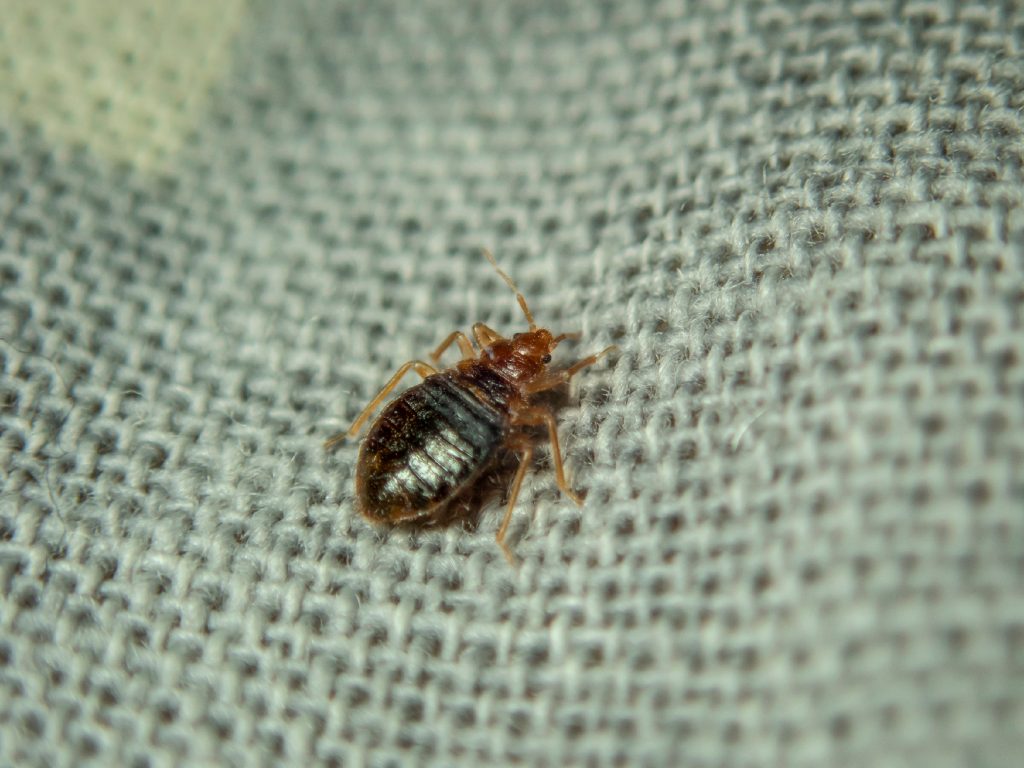
Adult bed bugs are small, oval-shaped insects roughly five to seven millimeters long, about the size of an apple seed. They start out creamy white as nymphs and darken to a reddish-brown as they mature. Their flat profile helps them slip into tight spaces that jumping insects would never need to use.
Bed bug eggs are even harder to spot. According to Oregon State University Solve Pest Problems, females lay 200 to 500 tiny eggs in cracks and crevices. Each egg is yellow-white and about 1/20 of an inch. Those eggs hatch in 6 to 15 days at room temperature, so catching an infestation early matters.
How to Spot Bed Bug Activity Inside Your Home
Because bed bugs crawl rather than jump, they tend to stay close to where you sleep or rest. Check mattress seams, box springs, headboards, and bed frames with a flashlight. Roughly 80% of bed bugs concentrate within three to five feet of a bed’s headboard.
Look for small red dots of blood on sheets or blankets. Bed bugs feed on blood from humans and other animals, and their bites can cause itching and skin irritation. Some people show no visible reaction, so physical signs on bedding may be your first clue.
Where Bed Bug Activity Shows Up Around Homes
Bed bugs gravitate to cracks between cushions, mattress seams, and upholstered furniture. They also hide behind electrical outlets, picture frames, and even in popcorn ceilings. Side tables, dressers, and baseboards near sleeping areas are common spots as well.
Bed bugs are attracted to the warmth of your body and the CO2 you exhale. That is why activity clusters around beds and furniture where your family spends time resting.
Exterior Entry Points Bed Bugs Use
Since bed bugs cannot jump or fly, they rely on hitching rides rather than entering through gaps the way other pests do. Luggage, clothing, and secondhand furniture are typical pathways into your home. A bed bug tucked into a suitcase seam can end up in your bedroom without ever needing to leap across a threshold.
Once inside, their flat bodies let them squeeze into cracks and crevices throughout a room. Inspecting items before bringing them indoors is one of the most practical steps you can take to keep bed bugs out.
Why Bed Bug Problems Develop
Bed bugs cannot jump or fly, yet they still manage to spread through homes with surprising ease. Understanding where they hide, what draws them in, and how they travel helps you recognize a problem before it grows.
Outdoor Nesting Areas for Bed Bugs
Bed bugs are primarily indoor pests, but related species such as swallow bugs deposit eggs on rough surfaces near bird nests. These close relatives share a similar life cycle and must have a blood meal between each molt. When outdoor hosts leave, the bugs may move toward occupied structures looking for a new food source.
Food and Shelter That Attract Bed Bugs
Human blood is the single food source that draws bed bugs to bedrooms and resting areas. They feed while people sleep, guided by warmth and CO2.
According to Texas A&M AgriLife Extension, bed bugs are not a sign of poor hygiene and can be found in high-end hotels as well as budget accommodations. Clutter gives them additional places to hide, so reducing clutter removes potential harborage sites.
How Bed Bugs Move Around Homes
Rather than jumping, bed bugs are efficient hitchhikers. They depend on humans to transport them in luggage, clothing, beds, furniture, and other personal items. Their small, agile bodies let them hide undetected in belongings and ride along into previously uninfested rooms.
Once inside, they can squeeze into cracks as small as the width of a credit card. That ability allows them to spread from a single bedroom to adjoining rooms, moving along baseboards, furniture seams, and wall voids.
Trails and Entry Points Bed Bugs Use
Common entry points include cracks in walls and areas around windows and doors. Bed bugs also travel along bed frames, furniture legs, and the edges of upholstered pieces as they move to and from feeding spots. Sealing these openings and using traps at furniture legs can intercept bugs in transit.
Because some people have no reaction to bites, an infestation can develop without obvious signs. Thorough inspection of harborage sites near the headboard is the best way to catch activity early.
Risks From Bed Bug Infestations
Even though bed bugs cannot jump, the risks they pose once they reach your sleeping area are real. Because these pests crawl into tight spaces near where you rest, the problems they create build over time and affect both your well-being and your living space.
Health Risks Linked to Bed Bugs
Bed bugs are not known to transmit disease. However, according to Kansas State University Extension, they may reduce your quality of life through sleeplessness, discomfort, or anxiety. Bites can be itchy, and scratching them can lead to secondary skin infections. Reactions vary between individuals.
Distinguishing bed bug bites from flea, mosquito, or spider bites is difficult. A bed bug typically needs to be found and identified to confirm it as the cause, which is why a thorough inspection matters.
Property Damage From Bed Bugs
Bed bugs do not chew through wood or wiring, but they can still affect your belongings. Over time, staining from their activity can damage bedding and upholstered items.
As an infestation grows, bugs may move to floorboards, switch plates, outlets, and even electronics such as clocks, televisions, and smoke detectors. That spread makes the situation harder to address.
Food Areas and Bed Bug Activity
Bed bugs are blood-feeding pests, not pantry pests. They are drawn to areas where people sleep or rest, not to kitchens or food storage. Their presence does not indicate unsanitary conditions, and they do not contaminate food supplies. The risk centers on bedrooms, living rooms, and other resting spots.
When to Look Closer at Bed Bug Activity
If you notice unexplained bites or spot small dark marks on your sheets, it is worth investigating further. Specially designed mattress encasements can seal bed bugs within and make inspections easier. Start your search near the headboard with a flashlight.
Because these pests require a blood meal between each stage of development, they stay close to hosts. Catching activity early, before bugs spread to other rooms, gives you more options for treatment.
Professional Pest Control for Bed Bugs
Because bed bugs crawl into hiding spots close to where you sleep, that behavior shapes every part of a solid control plan. Understanding how they move helps you take the right steps and know what to expect when a trained team handles the problem.
How to Reduce Attractants for Bed Bugs
Limiting bed bug access to resting areas is a practical first step. Keep furniture, especially beds, away from walls so bed bugs have fewer pathways to reach you. According to Purdue Extension, mattress and box spring encasements remove hiding places and keep bed bugs from entering the mattress.
If you suspect an infestation, do not discard beds or bedding. Dragging infested items through your home can spread bed bugs to new areas. Any item you plan to dispose of should be wrapped in plastic, sealed with tape, and marked so others do not salvage it.
Why Bed Bug Control Starts With Inspection
A thorough inspection is the foundation of any bed bug control effort. At Sage Pest Control, the process begins with a phone consultation or inspection with one of our state-certified inspectors to determine whether bed bugs are the cause.
If bed bugs are suspected, a technician performs a detailed inspection of common hiding areas, including beds, mattresses, box springs, bed frames, headboards, side tables, furniture seams, baseboards, wall hangings, electrical outlets, and nearby upholstered furniture.
What to Expect During Professional Bed Bug Treatment
Professional treatment targets the spots where bed bugs crawl and hide. According to Purdue Extension, liquid applications are most useful when applied to the bed bugs rather than relying on them to crawl over dry residues. Technicians treat bed frames, baseboards, inside furniture, and most cracks and crevices.
Technicians typically apply dust formulations in cracks behind baseboards, inside electrical outlets, beneath furniture, and inside void areas. As long as the dust stays dry, it can continue to provide value over time. Technicians may also use high-temperature steam on mattresses, furniture seams, and crevices to reach areas where liquid products may not penetrate.
Nonchemical methods often play an important role as well. Mattress and box spring encasements seal bed bugs inside, addressing any that may have avoided other control measures.
What to Expect From a Bed Bug Control Plan
At Sage Pest Control, every initial bed bug service includes a complimentary two-week follow-up to apply an insect growth regulator and reinforce treatment. Before treatment, you will receive a preparation sheet with steps such as laundering sheets and blankets in a hot wash and hot dry cycle, removing loose items from dressers and nightstands, and keeping cleaned clothing in airtight bags.
All occupants and pets must leave the structure for a minimum of three hours while products dry. Treatment is priced at $300 per bedroom plus $300 for the rest of the home. Our bed bug treatments include a 90-day unlimited warranty starting from the date of initial treatment. If you continue to see activity during the warranty period, we will return and re-treat at no additional cost.
Can Bed Bugs Jump: Bottom Line
Bed bugs cannot jump. They crawl from one surface to another and rely on close contact with people and belongings to move between locations. Prevention focuses on careful inspection of sleeping areas and reducing clutter where they can hide. If you suspect bed bug activity in your home, Sage Pest Control offers same-day service, a detailed inspection process, and a 90-day unlimited warranty on bed bug treatments. Reach out to our team by text or phone to get started.
Frequently Asked Questions About Bed Bug Movement
How Do Bed Bugs Get Around if They Cannot Jump?
Bed bugs are crawlers. They move between furniture and sleeping areas on foot and depend on people to carry them from place to place in luggage, clothing, and personal items. Their small size makes them easy to overlook during travel.
Where Should I Check for Bed Bugs?
Focus on areas where you sleep or rest. Inspect mattress seams, box springs, headboards, and nearby furniture using a flashlight. You may also notice small blood spots on sheets or bedding.
What Does a Bed Bug Bite Look Like?
Bites may appear as red welts and can take hours to several days to show up. Some people have no visible reaction at all. Bed bug bites often appear in linear patterns, typically on the trunk or other areas of skin exposed during sleep. Flea bites, by contrast, tend to occur around the ankles and lower legs.
How Much Does Bed Bug Treatment Cost?
Every initial service includes a complimentary two-week follow-up visit. Our 90-day unlimited warranty covers re-treatment at no extra cost as long as preparation instructions have been completed.
