
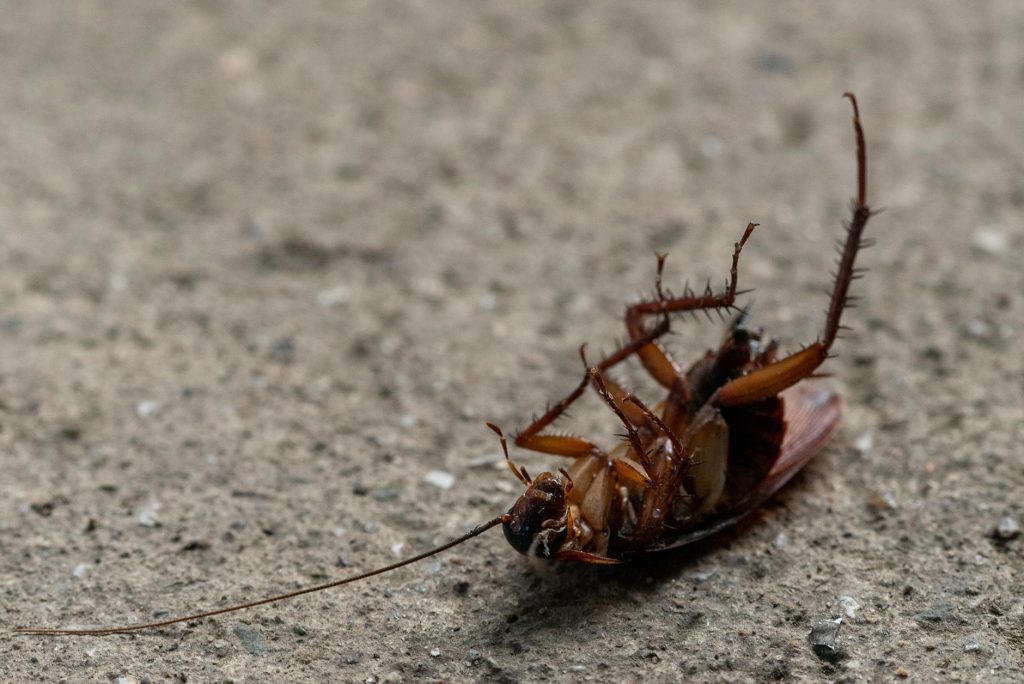
New home pest problems can be costly when early signs are missed. Learn what to look for, why it matters, and when to call Sage Pest Control.
Key Takeaways About New Home Pest Problems
- Moving into a new home can bring unexpected pest problems, so an early inspection of the property helps you spot signs of activity before they grow.
- Pests may already be present in a house when you move in, and knowing what to look for in areas like walls and around the foundation makes identification easier.
- DIY steps can help with prevention, but professional pest control is often professional pest control is often the most effective way to address an infestation, with free re-services included if pests return.
- Sage Pest Control’s tri-annual service program covers a wide range of common household pests, with free re-services between scheduled visits if issues pop up again.
How to Identify New Home Pest Problems
Moving into a new home is exciting, but it can also reveal unwelcome guests that were hiding before you unpacked the first box. Knowing what signs to look for and where to check helps you catch pest problems early, before they have time to settle in alongside you.
How to Identify Common Pest Types in a New Home
Different pests leave different clues. Carpenter ants damage wood while building their nests, and according to Oregon State University Solve Pest Problems, a common sign of carpenter ant activity is sawdust piles near wooden structures. Odorous house ants, on the other hand, nest in shallow mounds in soil and under rocks and wood outdoors. Indoors, they sometimes nest in wall gaps or warm places around heaters or water pipes.
Mice leave a distinct trail too. You may notice small droppings near food storage areas, in drawers, cupboards, and under sinks. As Texas A&M School IPM notes, mice typically forage within 30 feet of their nests, so checking nearby voids and enclosed spaces can reveal where they are living.
How to Spot Pest Activity Inside Your New Home
Inside your home, focus on areas where pests find shelter and resources. Mouse droppings near food storage, inside drawers, and under sinks are among the most common signs. Sawdust piles along baseboards or near wooden framing can point to carpenter ants tunneling through wood.
Odorous house ants may show up near heaters or water pipes, where warmth draws them into wall gaps. Pay attention to these spots during your first walkthrough and again as you settle in.
Where Pest Activity Shows Up Around New Homes
Some pests build nests in crawl spaces, attics, and walls, using dry wood, water-damaged wood, and insulation as nesting material. These hidden areas are easy to overlook during a move but worth inspecting. Searching wall voids, cardboard boxes, and spaces around appliances can reveal mouse nests that might otherwise go unnoticed.
Outdoors, check the soil around your foundation, under rocks, and near woodpiles. Odorous house ants often nest in shallow mounds in these areas, according to Oregon State University Solve Pest Problems.
Exterior Entry Points Pests Use in New Homes
Pests move between outdoor nests and your interior through gaps along the exterior. Carpenter ants nesting in water-damaged wood or insulation may enter through those same vulnerable spots. Mice take advantage of small openings to travel between nesting and foraging areas.
Walk the perimeter of your new home and note any gaps where walls, pipes, or utilities meet the exterior. These transition points are where outdoor pest activity often becomes an indoor problem.
Why New Home Pest Problems Develop
Construction activity, landscaping changes, and months of vacancy before closing can all create conditions that draw pests indoors. Understanding what attracts them and how they get inside helps you stay a step ahead.
Outdoor Nesting Areas That Attract Pests to New Homes
Some pest problems in a new home trace back to activity that was already underway outside. Rodent or bird nests in eaves, attics, or wall cavities can support secondary infestations. According to Texas A&M AgriLife Extension, mite infestations typically occur in structures where rodent or bird nests are located, and bites are usually noticed only in specific rooms near those nests.
Termites are another concern tied to outdoor conditions. They need wood for food and soil for moisture, so wood in direct contact with soil creates an ideal setup. When that contact is not present, termites may build shelter tubes from mud to bridge foundation walls and other masonry separating wood from soil.
Food and Shelter That Attract Pests to New Homes
Pests are attracted by light, warm air, moisture, and food. Odors from a dead bird or rodent, dead insects or a nest inside a wall, or spilled materials can also draw them in. They seek protection and shelter in dark cavities in walls or crawl spaces.
Conditions favorable to insects and rodents include warm temperatures in the 75 to 85 degree range, condensation, moist wood, plumbing leaks, and food left overnight in pet feeding dishes. If you find moths or beetles, inspect food packages for an infestation and dispose of any affected items.
How Pests Move Around New Homes
Once inside, pests tend to settle where resources are easiest to reach. Good sanitation is one of the most important steps you can take, though removing all food, water, and hiding places can be difficult. Consistent housekeeping helps minimize favorable habitats throughout your home.
Rodents may stash nuts or pet food in wall voids, creating caches that sustain them and attract other pests. Pest feces and webbing are often found in infested areas, so checking less-visited spaces like closets and utility rooms can reveal activity early.
Trails and Entry Points Pests Use in New Homes
Cracks and crevices in foundations, around pipes, and along baseboards give insects places to hide and travel. Bed bugs can show up on personal belongings and settle into bed sheets, box springs, furniture, baseboards, and wall crevices. According to Oregon State University Solve Pest Problems, signs include reddish stains, tiny dark spots, and live bed bugs in those locations.
Paying attention to these entry points and harborage areas early, especially during your first weeks in a new home, gives you the best chance of catching pest activity before it becomes harder to manage.
Risks From New Home Pest Problems
Pests that arrive with you or were already present can create real headaches. Bed bugs are among the most common pests found in human dwellings, and they can show up in any home, whether it is brand new or decades old. Understanding the risks helps you act quickly instead of letting a small issue go unnoticed.
Health Risks Linked to Pests in New Homes
Bed bug bites may be the first sign of a problem in your new home. According to Purdue Extension, bites usually appear as small welts similar to mosquito bites that itch and sometimes swell. Because the bites do not cause immediate itching or pain, your sleep is not disturbed at the time, which means an infestation can grow before you realize what is happening.
The itching and swelling from repeated bites can become a persistent nuisance, especially when you are still unpacking and settling in. Catching the issue early keeps the situation from becoming more uncomfortable over time.
Property Damage From Pests in New Homes
Bed bugs leave visible marks on your belongings. They leave blood stains on sheets and mattresses, and they defecate after feeding, which creates small dark stains on bedding and mattress surfaces. For homeowners who just invested in new furnishings, these stains can be frustrating to discover and difficult to remove.
If you find bed bugs or their signs on your belongings, cleaning your home and affected items as soon as possible is an important step.
How Pest Activity Affects Food Areas in New Homes
While bed bugs are not drawn to food prep areas the way some common pests are, they do spread through shared spaces. In multi-family buildings, all apartments and rooms need to be inspected, along with common areas, offices, and storage rooms. If your new home shares walls or hallways with other units, pests can move between spaces without you knowing.
When to Take a Closer Look at Pest Activity in Your New Home
During an infestation, you can find multiple signs in hiding areas: bed bugs in various growing stages from egg to adult, as well as shed skins, fecal spots, and bloodstains. Because inspections can be complex, it is usually best to contact a professional pest manager. A trained eye can catch what you might miss during the busy first weeks in a new home.
Professional Pest Control for New Home Pest Problems
Whether pests were already present or arrived with your belongings, addressing an infestation early matters. Here is how prevention, inspection, and professional treatment work together to protect your new home.
How to Reduce Pest Attractants in a New Home
Prevention starts with simple habits you can build into your move-in routine. Keep furniture, especially beds, away from walls to limit hiding spots and access points for pests like bed bugs. According to Oregon State University Solve Pest Problems, these steps will not resolve a bed bug infestation on their own but work best when paired with professional treatment.
Staying consistent matters. Small adjustments to your furniture layout and regular visual checks help you catch problems before an infestation takes hold. These habits are easy to maintain and cost nothing extra as you settle into your space.
Why Pest Control in a New Home Starts With Inspection
Before any treatment plan can begin, you need to know what you are dealing with. Inspect mattresses, box springs, and headboards for bed bugs as well as fecal or blood spots. These are the areas where signs of activity tend to show up first, and catching them early gives you a head start.
A professional pest control company will perform a thorough inspection using special skills and tools that go beyond a visual check at home. Hiring a professional is recommended for confirmed infestations, as their trained eye can identify activity you might miss on your own.
What to Expect During Professional Pest Treatment for a New Home
When you bring in a pest control company, the process typically begins with a detailed inspection of your home. Professionals use specialized tools and methods to address infestations that DIY efforts alone cannot resolve. Their training allows them to target the specific areas where pests are active and apply treatments to those areas.
Sage Pest Control’s general pest control package includes a thorough interior and exterior inspection, exterior perimeter treatment, spot treatment in accessible interior areas as needed, de-webbing and nest removal, and targeted baiting or rodent treatment when appropriate. For bed bugs specifically, a specialized treatment program is required since they fall outside the standard plan.
What to Expect From a Pest Control Plan for Your New Home
A solid pest control plan does not stop at a single visit. As Purdue Extension notes, following up on inspections and treatments is an important part of the process. Ongoing monitoring helps confirm that the issue has been addressed and catches any new activity early.
Sage Pest Control offers a tri-annual service program with product rotation to help prevent resistance. Plans start at $299 initial with monthly service fees based on your home’s square footage. Free re-services between scheduled visits are included, so if something comes up between appointments, you are covered without extra cost.
Staying proactive with regular inspections and a consistent treatment schedule gives your new home the best chance of staying pest-free from the start.
New Home Pest Problems: Bottom Line
Whether you notice small dark spots on bedding, sawdust piles near woodwork, or droppings in cabinets, catching the signs early gives you the best chance of staying ahead of a problem. Good sanitation habits help reduce favorable conditions, and a professional inspection can uncover issues that are easy to miss on your own.
If you’re settling into a new home and want peace of mind, reach out to Sage Pest Control for same-day service and a thorough interior and exterior inspection.
Frequently Asked Questions
What Are the Most Common Pest Signs in a New Home?
Look for stains on sheets or mattresses, small dark spots on bedding, and droppings or debris near baseboards and furniture. These clues can point to an active issue that may need professional attention.
Should I Get a Pest Inspection Before Moving In?
Inspections can be complex, so it is usually best to have a professional pest manager assess the property. They have the tools and training to check areas you might overlook, such as wall voids, box springs, and furniture seams.
Can I Handle a Pest Problem on My Own?
DIY steps like thorough cleaning and reducing clutter can help minimize favorable habitats. However, for established infestations, these activities on their own may not resolve the issue. Pairing good housekeeping with professional treatment tends to produce better results.
What Does Sage Pest Control’s General Pest Plan Cover?
The standard plan covers a wide range of common household pests, including ants, spiders, cockroaches (excluding German cockroaches), crickets, earwigs, silverfish, beetles, pantry pests, centipedes, millipedes, fleas, indoor ticks, mice, rats, and more. Tri-annual service starts at $299 initial with $49 per month, and free re-services are included between scheduled visits.
