
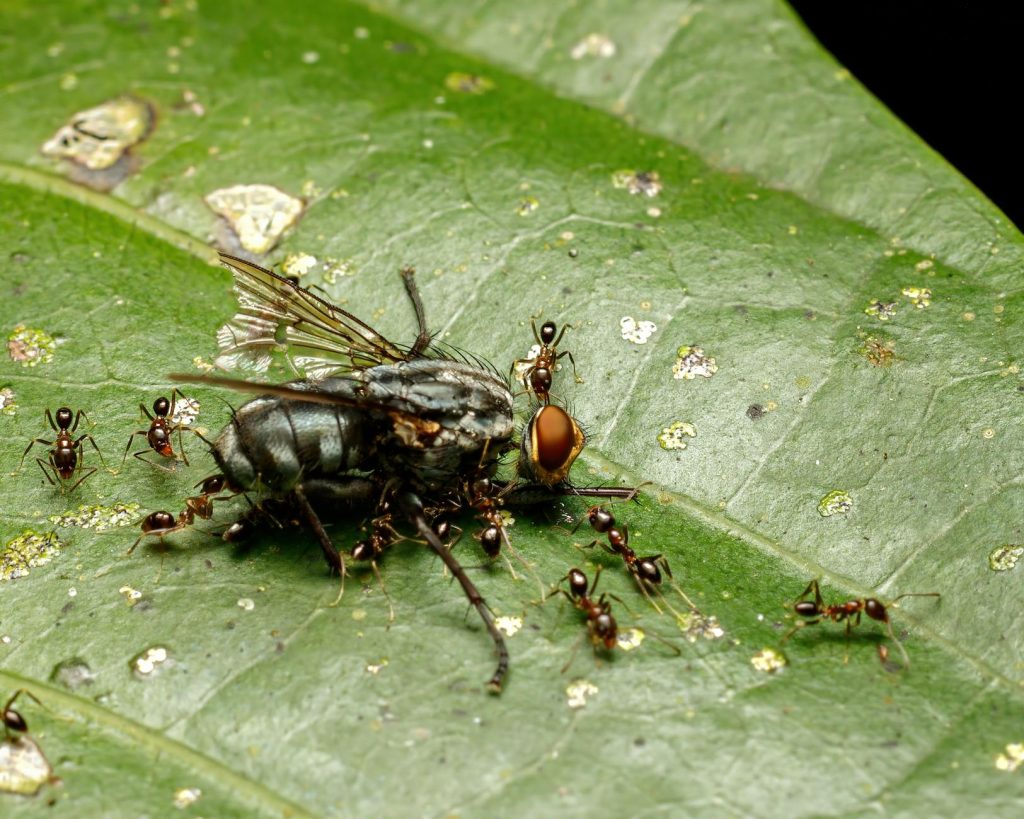
Ant infestations can create costly problems when early signs are missed. Learn facts about ants, what to look for, and when to call Sage Pest Control.
Key Takeaways About Ants
- Ants live in organized colonies with distinct roles, including queens that lay eggs and workers that forage for food and maintain the nest.
- Different ant species vary in size, nesting habits, and behavior, so accurate identification matters when deciding how to respond.
- Some ants can bite or cause minor property concerns, while others are mainly a nuisance when they trail indoors looking for food and water.
- Understanding how ants find and share food sources helps you take the right prevention steps around your home.
How to Identify Ants
One of the most useful facts about ants is that accurate identification starts with a close look at the workers themselves. Different ant species vary in size, color, and body shape, and those physical details help you figure out what you’re dealing with before choosing a next step.
How to Tell Ant Types Apart
Some ant species have distinct features that set them apart from similar-looking relatives. According to Texas A&M AgriLife Extension, carpenter ant workers have dull red bodies with black abdomens and measure 1/4 to 1/2 inch long. They can be distinguished from most other large ant species because the top of the thorax is evenly convex with no spines, and the attachment between the thorax and abdomen has a single flattened segment.
Diet preferences also vary by species. Some ant species feed mostly on sugar or sucrose, while others prefer oils or proteins. Imported fire ants, for example, feed on many types of foods. Knowing what a species is attracted to can help confirm which ant you’re seeing.
How to Spot Ant Activity Inside Your Home
Inside your home, the clearest sign of ant activity is a visible line of workers moving along a consistent path. These trails usually follow edges like countertops, baseboards, or door frames as ants search for food and water. Watching which food sources attract them can narrow down the species involved.
Pay attention to what the ants are gathering around. If they cluster near sugary spills, you may be looking at a sugar-feeding species. If they gravitate toward greasy or protein-rich items, a different species is likely responsible.
Where Ant Activity Shows Up Around Homes
Outdoors, nest location is one of the most telling facts about ants. Mound-building ants construct nests in the ground and form hills around the nest opening. According to Kansas State University Extension, these mounds can be difficult to mow over and may smother surrounding grass. Some ant species can also weaken grass stands by destroying grass seeds and roots.
Other species nest just below the soil surface. Argentine ants, for instance, often build shallow nests that sit right under the top layer of soil, unlike many other ant species that dig deeper.
Exterior Entry Points Ants Use
Ants nesting near your home’s exterior can find their way inside when searching for food or water. Cracks along the foundation, gaps where the ground meets siding, and openings around doors are common transition points between an outdoor nest and your living space.
Because nest styles differ by species, where you spot mounds or shallow soil disturbances outside can hint at which entry points are most at risk. Identifying the nest type helps you understand the route ants are likely taking into your home.
Why Ant Problems Develop
Understanding why ant problems develop starts with one key fact: most ant species nest outdoors and only become a nuisance when foraging workers enter your home looking for food or water. Once a few scouts find a food source inside, they can bring in more ants, and the problem grows from there.
Outdoor Nesting Areas for Ants
Most ant colonies start outdoors. Worker ants construct a maze of tunnels to extend the colony, and these nests can shift over time. Ant colonies do not nest in permanent locations, which means a colony near your foundation today may move closer tomorrow. Some species commonly nest indoors, while others nest outside and enter a home just to look for food.
Food and Shelter That Attract Ants
When foraging ants find a food source, they take it back to the colony and share it with the other ants, including the queen and brood. That shared feeding loop is what keeps ant colonies growing. Most ant species have only one queen per nest, and she lays the eggs to maintain or increase the colony size.
Some ant colonies can have more than one queen, and mating may occur within the nest without swarming. These colonies can form new groups when queen ants, along with some workers and brood, leave the nest and move to a new location.
How Ants Move Around Homes
Worker ants forage for food, feed the queen, fight off enemies, and care for the young. Parent carpenter ant colonies sometimes establish satellite nests in nearby indoor or outdoor sites, and workers move between their nest and the parent colony. This back-and-forth movement can make it look like ants are coming from multiple directions at once.
Trails and Entry Points Ants Use
In many species, foragers create a pheromone trail that helps other ants find a food source or water. If foraging ants find food inside your home, they may recruit others, creating the characteristic trail that becomes a source of irritation for homeowners. Treating only the visible trail may remove a few foraging workers but does not address the colonies themselves.
Risks From Ant Infestations
Not every ant species poses the same threat, so knowing what to watch for makes a real difference in how you respond.
Health Risks Linked to Ants
Several ant species can bite, though many do not sting. Bigheaded ants also bite without stinging. Carpenter ants can spray formic acid when they bite, which may cause irritation at the site.
While these bites are not typically a major medical concern, they can catch you off guard, especially if you brush against a nest or disturb a foraging trail indoors.
Property Damage From Ants
Carpenter ants are the species most likely to cause property damage. According to the University of Tennessee Extension, carpenter ant workers do not eat wood, but they excavate smooth galleries inside it to raise their young. Over time, these galleries can compromise the wood they are carved into.
Piles of coarse sawdust or splintered wood near wooden structures are a strong indicator that a carpenter ant nest is nearby. Dead insects falling from a wooden porch may also point to an active nest above. These pests are nocturnal, so damage can progress before you notice daytime activity.
Food Areas and Ant Activity
Foraging worker ants leave the nest to seek out food sources such as insects, decaying fruit, and honeydew. When these foragers enter your home, they can become a nuisance, especially around areas where food is stored or prepared.
Because workers establish trails between food sources and the nest, a few visible ants in your kitchen often means more are on the way. Keeping food areas clean and sealed helps reduce what draws them inside.
When to Look Closer at Ant Activity
Some warning signs deserve a closer look. Sawdust piles near wooden trim, porches, or structural wood may signal carpenter ant galleries. Dead insects beneath a wooden overhang can also indicate nesting activity overhead.
Black carpenter ants are among the largest pest ants you may encounter, with workers ranging from 1/4 to 5/8 inches. If you spot ants that size, especially at night when they are most active, it is worth investigating further to check for wood damage before the problem grows.
Professional Pest Control for Ants
Understanding ant behavior is one thing, but putting that knowledge to work in your home takes a focused approach. Because different ant species have different diets, habitats, and nesting habits, a one-size-fits-all treatment rarely gets the job done. Here is how prevention, inspection, and professional treatment come together.
How to Reduce Attractants for Ants
Ants follow food, so limiting what is available goes a long way. Some ant species feed on sweets, while others prefer meat and grease and are even predators of other insects. Knowing which type you are dealing with helps you target cleanup efforts toward the food sources those ants seek out.
Keeping counters, floors, and dining areas free of crumbs and spills removes the signals that draw foraging ants indoors. Sealed containers for stored food and prompt cleanup after meals reduce the chance that scouts find something worth reporting back to the colony.
Why Ant Control Starts With Inspection
Inspection matters because ant species can require different treatments. As Kansas State University Extension notes, carpenter ants live in a different habitat and require different treatment than other ant species that may find their way into homes. Treating the wrong habitat or using the wrong product can leave the actual colony untouched.
Sage Pest Control service professionals look for trails, entry points, and nesting signs so they can identify the species before choosing a treatment approach. This step helps ensure the team matches the right strategy to the right ant.
What to Expect During Professional Ant Treatment
Once the technician identifies the species and nesting location, they can tailor treatment. Bait-based approaches take advantage of natural ant behavior: foraging ants take the bait back to the nest, where they transfer it among workers, larvae, and queens, according to Oregon State University Solve Pest Problems.
The goal is to address the colony itself, not just visible foragers. Because ants share food throughout the colony, bait carried by foragers can reach members that never leave the nest.
What to Expect From an Ant Control Plan
Sage Pest Control uses a tri-annual program with product rotation to help prevent resistance over time. With same-day service guaranteed, you will not have to wait long once you notice activity. The team covers 50+ pest types, so if the inspection turns up more than just ants, you are already in good hands.
Every plan starts with species identification and builds from there. The team selects treatments using GreenPro-certified, EPA-standard, environmentally friendly products that fit the low-impact approach Sage is known for across Charlotte, Raleigh, Greensboro, and Virginia Beach.
Facts About Ants: Bottom Line
Ants are organized, persistent, and built to find their way into your home when conditions allow it. Understanding how colonies work, what draws foraging workers indoors, and which species you might encounter gives you a real advantage in keeping your space comfortable. Prevention starts with reducing the food and moisture sources that attract scouts, and when a trail does show up, knowing whether you’re dealing with a nuisance species or one that can affect your home’s structure helps you respond the right way.
If ants have already moved in and you’re not sure what you’re looking at, Sage Pest Control offers same-day service across Charlotte, Raleigh, Greensboro, and Virginia Beach to help you get answers fast.
Frequently Asked Questions
Why Do Ants Keep Coming Back After I Clean?
Cleaning helps, but ants are colony-driven. Workers that find food or water may leave behind trails that guide other ants to the same spots. Even after you wipe surfaces down, the colony itself may still be active nearby. Addressing the colony and sealing the entry points workers use gives you a better shot at long-term relief.
Are All Ant Species Harmful to My Home?
Most ant species nest outdoors and become a nuisance mainly when foraging workers come inside looking for food. They can form trails that are frustrating to deal with, but they don’t all pose the same level of concern. Carpenter ants are one group worth watching more closely because they can affect wood in your home. Identifying the species helps determine the right response.
How Can I Tell Carpenter Ants Apart From Other Ants?
Carpenter ants tend to be larger than many common household species, with some workers reaching about 5/8 of an inch. They are often active at night, which means you might spot them after dark near wood or moisture sources. If you’re finding large, dark-colored ants indoors, it’s worth having them identified.
When Should I Call a Professional Instead of Handling Ants Myself?
If you’ve tried basic cleanup and ants keep returning, or if you suspect the species involved could affect your home’s structure, professional help makes sense. Some species may not respond well to common store-bought bait, and success can vary depending on the ant’s food preferences. A trained service professional can identify the species and target the colony rather than just the visible workers.
