
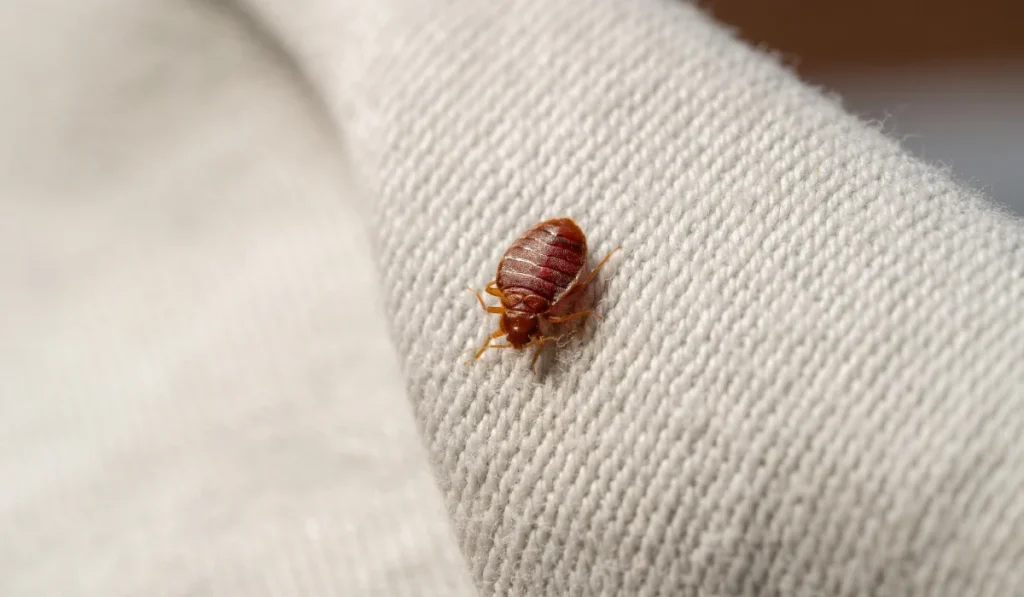
North Carolina bed bugs can enter homes in luggage, clothing, bedding, furniture, and other belongings, then hide close to where people sleep. Raleigh ranked No. 16 and Charlotte No. 27 on Orkin’s 2026 Bed Bug Cities List, based on the company’s residential and commercial treatment volume from May 12, 2025, through May 12, 2026. That ranking is not a population-based infestation rate, but it shows why North Carolina homeowners should know how to identify bed bugs, prevent their spread, and respond when signs appear.
How Common Are North Carolina Bed Bugs?
Bed bugs are not limited to a certain type of home or neighborhood. According to the CDC’s guidance on bed bugs, they can be found in houses, apartments, hotels, shelters, dorm rooms, and other places where people sleep. The CDC also notes that the cleanliness of a property does not determine whether bed bugs are present.
That distinction matters because bed bugs spread differently from many common household pests. They are effective hitchhikers, hiding in the seams and folds of luggage, bags, clothing, bedding, furniture, and other belongings. A trip, move, overnight stay, or infested piece of furniture can give them a route into a home.
Bed bugs are not known to transmit diseases to people. Their bites can still cause itching and interfere with sleep, and some people can have stronger reactions than others. An active infestation should be addressed even when no one in the household has a noticeable bite reaction.
How to Identify North Carolina Bed Bugs
Correct identification should come before bed bug treatment. Several insects can be mistaken for bed bugs, and skin reactions alone are not enough to confirm an infestation.
What Bed Bugs Look Like
Adult bed bugs are small, flat, wingless insects with reddish-brown bodies. The CDC describes them as roughly 1 to 7 millimeters long. Their flattened shape helps them fit into narrow cracks, mattress seams, furniture joints, and other sheltered spaces.
Young bed bugs, called nymphs, are smaller and lighter than adults. NC State Extension notes that bed bugs develop from eggs through five nymphal stages before reaching adulthood. Young nymphs can be especially difficult to see because of their size and pale coloring.
Because smaller stages are easy to miss, knowing what bed bugs can look like to the naked eye can help when you inspect mattress seams, bed frames, and nearby furniture.
Signs of a Bed Bug Infestation
Seeing a live bed bug provides the strongest evidence, but you may notice other signs first. NC State Extension recommends looking for dark fecal spots, shed skins, and live bugs rather than relying on bites alone. The CDC also lists rusty-colored blood spots around mattresses or nearby furniture among signs worth checking.
| What You Find | What It May Mean | Where to Look Next |
|---|---|---|
| Live bed bugs | Active bed bug presence | Mattress seams, bed frames, headboards, and nearby furniture |
| Black or brown fecal spots | Bed bugs have been active nearby | Seams, cracks, crevices, and furniture joints |
| Shed skins | Developing bed bugs have used the area | Around beds, baseboards, and sheltered gaps |
| Rusty blood spots | Possible feeding activity near a sleeping area | Sheets, mattresses, and nearby furniture |
| Bites without other evidence | Bed bugs are one possible cause | Look for physical signs before assuming the cause |
A careful inspection should begin around the bed and then move to nearby furniture and cracks. Bed bugs tend to stay near places where people regularly sleep or rest, although an established infestation can occupy other sheltered spaces.
Why Bites Alone Are Not Enough
Bed bug bites affect people differently. One person may develop itchy marks while someone sleeping nearby shows no visible reaction. Bites can also resemble reactions caused by other insects.
NC State Extension’s bed bug prevention guidance specifically warns that bites, bite-like lesions, or rashes should not be used by themselves to identify or rule out a bed bug infestation. The familiar idea that three bites in a row automatically confirms bed bugs is not supported by conclusive evidence. Physical signs provide a more reliable basis for identification.
How Bed Bugs Get Into North Carolina Homes
Bed bug prevention starts with understanding how they travel. Household infestations commonly begin when bed bugs hide in personal belongings and are carried from one location to another.
Travel and Overnight Stays
Luggage, overnight bags, folded clothing, and bedding all give bed bugs places to hide. Before unpacking in a hotel or rental, inspect mattress seams, the bed frame, and the area around the headboard for bugs or spotting. Keep luggage away from the bed while you check the room.
When you return home, inspect luggage before placing it near a bedroom. Clothing and other washable belongings should be handled carefully if you have reason to think they were exposed.
Furniture, Clothing, and Moving
Secondhand furniture and belongings from an infested home can also carry bed bugs. Upholstered furniture, mattresses, bed frames, bags, and items with seams or folds offer sheltered spaces where bugs can remain unnoticed.
This is also why moving suspected items from room to room can create a larger problem. If you find bed bug activity on a mattress or piece of furniture, do not immediately carry it through the house. Keep the area contained and determine the appropriate preparation steps before moving belongings.
What to Do If You Find Signs of Bed Bugs
Finding suspicious spots or insects does not mean you should start treating everything in the room. A measured response helps you confirm the pest and limits unnecessary movement of potentially infested items.
Confirm What You Found
If possible, save a suspected insect in a sealed container or take a clear photo. Check the mattress, box spring, frame, headboard, nearby furniture, baseboards, and other tight spaces for additional evidence.
Do not diagnose the problem from bites alone. Carpet beetles, cockroach nymphs, ticks, and other small pests can be mistaken for bed bugs, so accurate identification helps ensure that the treatment matches the pest.
Keep Suspected Items Contained
Avoid carrying mattresses, bedding, furniture, or loose belongings into unaffected rooms. If something needs to be removed, contain it first so bed bugs cannot fall off during transport.
For professional service, follow the preparation instructions supplied by your pest control provider. Sage’s preparation process can include removing loose items from treatment areas, laundering bedding, organizing clothing, and giving technicians access to furniture and other potential hiding places.
Reduce Clutter Around Sleeping Areas
Clutter does not cause bed bugs, but extra items can create more hiding places and make an inspection harder to complete. Clearing floors, nightstands, dressers, and areas around beds gives a technician better access to seams, cracks, baseboards, and furniture joints.
Avoid simply moving clutter into another bedroom or closet. Items from a suspected treatment area should be handled according to the preparation plan so bugs are not carried elsewhere.
Do Not Rely on Bug Bombs
Total-release foggers are not a dependable solution for bed bug control. NC State Extension notes that research has found foggers largely ineffective against bed bugs because the pests can remain protected in cracks, crevices, and other hiding places.
If you continue seeing live bugs, find evidence in several areas, or cannot determine how far the infestation has spread, a professional bed bug inspection can provide a clearer next step.
How Professional Bed Bug Treatment Works
Professional bed bug control is based on where activity is found, how widely it has spread, and which hiding areas need attention. For a closer look at Sage’s bed bug removal process, the service begins with inspection and preparation before targeted treatment is applied.
Inspection and Preparation
A Sage technician inspects common bed bug hiding areas, including beds, mattresses, box springs, bed frames, headboards, furniture seams, baseboards, nearby upholstered furniture, and other sheltered areas. Customers receive preparation instructions before treatment so technicians can reach the areas that require service.
Preparation may include laundering bedding, removing loose items from furniture, and preparing affected furnishings for treatment. Occupants and pets must remain out of the treated structure for a minimum of three hours while applied products dry according to their instructions.
Targeted Treatment and Follow-Up
Sage uses targeted treatments on areas where bed bugs hide, including beds, box springs, furniture, cracks, crevices, and other nearby harborages. High-temperature steam may also be used on mattresses, furniture seams, cushions, and suitable cracks or crevices when appropriate.
A follow-up visit is performed about two weeks after the initial service. Sage’s bed bug service includes a 90-day unlimited warranty from the initial treatment date, with re-treatment available during that period if activity continues. Preparation requirements must be completed and technicians must have access to areas requiring treatment for the warranty to remain valid.
Professional treatment works best when the technician can inspect and address the full treatment area rather than only the first place a bug was seen. Bed bugs can occupy several small hiding spaces around a room, so preparation, targeted service, and follow-up all serve different roles in the control process.
Taking the Right Next Step With North Carolina Bed Bugs
North Carolina bed bugs can reach a home through ordinary travel, moving, clothing, luggage, and furniture. The clearest signs are physical evidence such as live bugs, fecal spots, shed skins, and staining around sleeping areas. Bites may raise suspicion, but they should not be the only basis for identifying an infestation.
If you find signs of bed bugs in Charlotte, Greensboro, Raleigh, or another North Carolina community served by Sage Pest Control, avoid spreading belongings into other rooms and get the pest properly identified. You can contact Sage Pest Control to discuss what you are seeing and determine the appropriate next step for bed bug treatment.
