
Termite Size can create costly problems when early signs are missed. Learn what to look for, why it matters, and when to call Sage Pest Control.
Key Takeaways About Termite Size
- Termite size varies by caste and species, so knowing what to look for helps you tell termites apart from ants and other insects.
- Subterranean termites live in soil and can go unnoticed inside a structure for years, making early size-based identification valuable for protecting your home.
- Drywood termites have different habits and do not require soil contact, so the type you’re dealing with shapes the right approach to treatment.
- Professional inspection is the most reliable way to confirm termite activity and determine the best course of action for your property.
How to Identify Termite Size
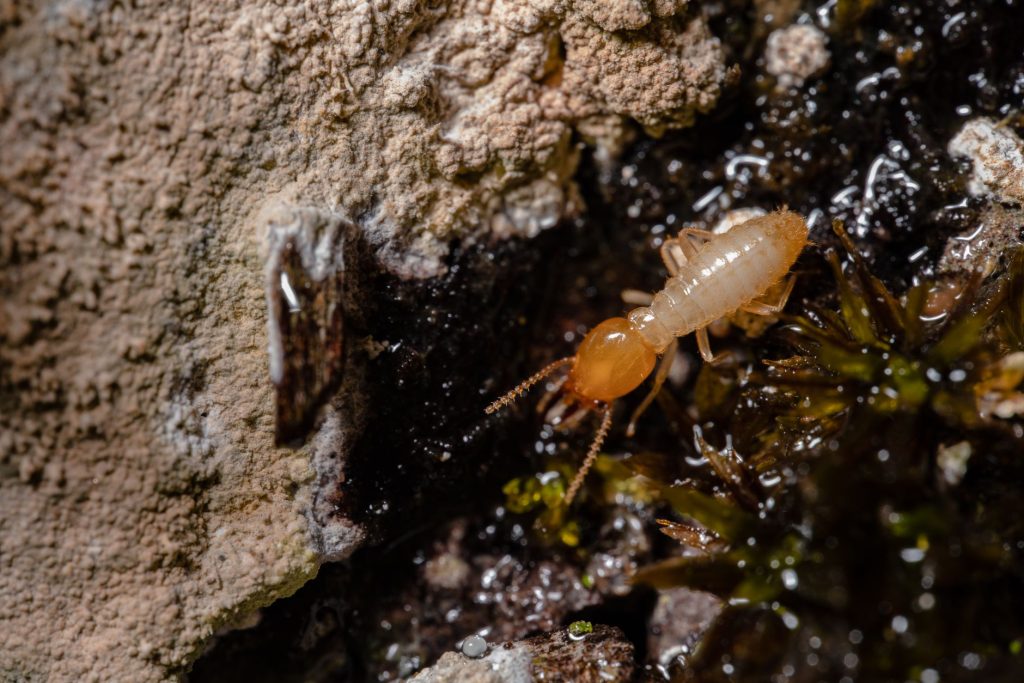
Each termite caste has a distinct size and shape, so learning the differences helps you identify activity early. The workers that damage wood are small, white, and soft-bodied. Swarmers are only about 3/8 of an inch long. Soldiers are larger than workers and have big orange heads with black pincers. Understanding caste differences is the fastest way to tell what you’re dealing with.
How to Tell Termite Size Types Apart
Worker termites damage wood by eating the springwood layers. According to Purdue Extension, they are white and soft-bodied, and they feed the other forms in the colony and expand the nest size. Soldier termites have enlarged mandibles and protect the colony from intruders. Swarmers have long white wings that stack on top of each other. Queens have a bloated, shiny abdomen that is tan with brown hash marks.
One easy way to identify termites is to check the waist. Ants have pinched waists, while termites do not. Kings look like swarmers without their wings. Recognizing these size and shape differences between castes helps you figure out which role a termite plays in its colony.
How to Spot Termite Size Activity Inside Your Home
Look for mud tubes along your foundation, baseboards, and plumbing areas. Subterranean termites build these tubes to travel between their underground colony and the wood inside a structure. Damaged wood, moisture issues, and conducive conditions can all point to an active infestation. Check door and window frames, crawlspaces, and attics for signs of termite presence.
Keep in mind that multiple colonies of the same termite species, or even several different species, can infest a single building. Drywood termites may also appear in furniture and picture frames. Spotting workers or soldiers in any of these areas is worth investigating further.
Where Termite Size Activity Shows Up Around Homes
Subterranean termites live in the soil and need ground contact to thrive. They typically show up where wood meets soil or where moisture collects near the foundation. Tree stumps and dead trees on your property can also attract termites. According to UC IPM, most subterranean termite species consume wood at about the same rate, but certain factors can make some species potentially more damaging than others.
Exterior Entry Points Termite Size Use
Termites can enter homes through small cracks in the foundation, plumbing penetrations, or other openings where wood is in contact with soil. Formosan subterranean termites are one notable species worth watching for. According to the EPA, the National Invasive Species Information Center provides information on Formosan subterranean termites for homeowners who want to learn more.
Because termites travel hidden behind mud tubes and inside wood, the entry points they use often go unnoticed until damage has already started. A thorough inspection of the foundation, exposed wood, and any areas where the structure contacts soil is the best way to identify where termites are getting in.
Why Termite Size Problems Develop
Understanding termite size starts with understanding how termite colonies grow and spread. A mature colony can range from several hundred to several million individuals, and every one of those termites needs a food source and moisture to survive. When conditions around your home provide both, colonies can expand steadily and send workers farther in search of wood.
Outdoor Nesting Areas for Termite Size
Subterranean termites are soft-bodied and require moisture to survive. Their colonies are typically located in the soil, following moisture gradients as deep as 1 to 30 feet below the surface, according to Kansas State University Extension. The queen stays deep within the colony, cared for by workers, while the rest of the colony fans out to locate new food sources. Tree stumps, dead trees, and other wood debris on your property can support nesting activity close to your home’s foundation.
Food and Shelter That Attract Termite Size
Termites are social insects, and each type of individual in the colony serves a different role. Workers forage for cellulose, their primary food source, while soldiers defend the colony. In eastern subterranean termite colonies, soldiers make up less than 5% of the total population, meaning the vast majority are workers actively seeking wood. Any structural wood in contact with soil or exposed to moisture can become a target.
How Termite Size Move Around Homes
Once a colony reaches thousands of individuals, a small percentage develop into winged reproductives called swarmers. These swarmers leave the nest, fly in swarms to mate, and disperse to establish new colonies. Native subterranean termite species typically begin swarming in January and are mostly finished by early May or June, swarming in the morning or early afternoon. Winged ants are often mistaken for winged termites during warm weather, so accurate identification matters.
Trails and Entry Points Termite Size Use
Mud tubes follow product and moisture gradients from the soil to wood in a structure. Areas with persistent dampness near your foundation tend to be the most vulnerable entry points. Keeping wood away from direct soil contact and addressing moisture issues around your home can reduce the conditions that draw termite colonies closer.
Risks From Termite Size
Subterranean termite workers and soldiers are soft-bodied insects only about 1/8 to 3/16 inch long, according to the University of Tennessee Extension. That tiny size is exactly what makes them so hard to spot and so capable of reaching places you would never think to check. Understanding the risks their small stature creates can help you know what to watch for in your home.
Structural Risks From Termite Size
Termites invade and eat wood and other cellulose material, causing extensive damage in structural parts of a building. At just 1/8 to 3/16 inch, workers slip through gaps in foundations and other small openings. They build shelter tubes made of saliva mixed with soil and bits of wood or drywall to move undetected between soil and wood.
Hidden Termite Damage in Homes
Subterranean termites frequently become household pests, yet their presence may not be discovered until they swarm, sometimes years after infesting a structure. Their small body size lets workers operate inside walls and other concealed areas without any visible sign on the surface. By the time a swarm appears indoors, the colony may have been feeding on wood for a long time.
Belongings and Moisture Risks From Termite Size
Termites feed on wood and other cellulose material, so items made from those materials can be at risk wherever termites gain access. Shelter tubes introduce moisture wherever they extend, which means areas of your home that should stay dry can develop unwanted dampness alongside termite activity.
When a Termite Size Problem Needs Action
If you find mud tubes connecting soil to wood in or around your home, that is a clear sign subterranean termites are present. According to UC IPM, any shelter tubes that subterranean termites have built between soil and wood structures should be destroyed. Because colonies can go unnoticed for years, waiting rarely works in your favor. A thorough inspection is the right next step when you suspect activity.
Professional Pest Control for Termite Size
Knowing what termite size looks like in person helps you spot an infestation early, but handling the problem yourself has limits. You can correct conditions around your home that attract termites, yet the actual control work calls for professional help. Here is how prevention, inspection, and a structured pest control plan come together.
How to Reduce Attractants for Termite Size
Subterranean termites build working tubes from their nest in the soil to wooden structures, and these tubes may travel up concrete or stone foundations. Homeowners can correct conducive conditions such as removing wood-to-soil contact near the foundation and addressing moisture issues around the home’s perimeter.
At Sage Pest Control, our technicians look for conducive conditions during every inspection, including plumbing areas and exposed wood. Keeping these areas less inviting to termites of any size is one of the simplest steps you can take between professional visits.
Why Termite Size Control Starts With Inspection
A thorough inspection is the foundation of any termite control plan. According to UC IPM, finding live termites foraging within wood is a sure sign of an active infestation. Our technicians check key areas throughout the home for evidence of activity, including the foundation, crawlspace, attic, and plumbing areas.
Mud tubes are another key indicator. If you break them open, you may see live workers and soldiers running through them. Because these tiny insects can be difficult to distinguish from ants at first glance, a trained eye matters. Sage technicians know exactly what termite size and body shape to look for in every caste.
What to Expect During Professional Termite Size Treatment
Control of subterranean termites in your structure is best left to professional pest controllers. According to UC IPM, applications of registered products for termite control are highly regulated and require a licensed pest control professional to carry out the inspection and control program.
Sage Pest Control offers the Trelona Advanced Termite Bait System, with stations installed in the soil approximately every 10 to 20 linear feet around your home. Each station comes pre-loaded with two Termite Bait Cartridges. We also offer termiticide foundation trenching, which creates a long-lasting vertical barrier around the foundation. Each liquid application lasts approximately five years.
What to Expect From a Termite Size Control Plan
After the initial service, Sage monitors your property regularly. For bait stations, the bait remains active for two to four years under typical conditions, and we inspect stations annually, replacing bait as needed. If activity is detected at any check, the technician takes additional steps to address the problem and maintain protection for your structure.
For new construction, Sage provides termite pre-treatments applied directly to the soil surface before concrete is poured. These pre-treatments include a blue dye so building inspectors can verify correct application. Whether you are dealing with a current termite infestation or planning ahead, a structured pest control plan matched to the termite species and your home’s layout gives you the clearest path forward.
Bottom Line on Termite Size
Termite Size varies across species and castes, so understanding those differences helps you spot an issue before it turns into a larger concern for your home. Workers tend to be small and pale, soldiers are slightly bigger with distinctive large heads, and swarmers measure around 3/8 of an inch with stacked wings. In North Carolina and the Virginia Beach area, subterranean termites are the most common type, living in the soil and building mud tubes to reach wood inside a structure.
Mature colonies can contain enormous numbers of individuals, which is why catching activity early matters. If you notice any signs of termites around your home, reach out to Sage Pest Control for a free termite inspection and a treatment plan tailored to your property.
Frequently Asked Questions
How Can I Tell Termites Apart from Ants Based on Size and Shape?
The quickest way to tell them apart is by looking at the waist. Ants have a pinched, narrow waist, while termites have a straight, broad waist with no visible pinch. Swarmers also differ from flying ants because their wings are equal in length and stack directly on top of each other.
What Do the Different Termite Castes Look Like?
Each caste has a distinct appearance. Workers are small and pale. Soldiers have big orange heads with black pincers. Swarmers have long white wings and measure about 3/8 of an inch. Queens have a bloated abdomen that is shiny and tan with brown hash marks, while kings resemble swarmers without wings.
What Are the First Signs of a Termite Problem?
One common indicator of subterranean termites is the presence of mud tubes along your foundation or walls. For drywood termites, small uniform-sized fecal pellets, roughly the size of a grain of sand, found beneath infested wood can be an early clue. Either sign warrants a closer look from a professional.
Why Should I Hire a Professional Instead of Treating Termites Myself?
Termites often go unnoticed for extended periods, and colonies can grow to contain millions of individuals. Sage Pest Control begins with a thorough inspection of all vulnerable areas throughout the home. Treatment options such as the Trelona Advanced Termite Bait System or termiticide foundation trenching target the colony where it lives, and ongoing monitoring helps maintain protection for your structure.
