
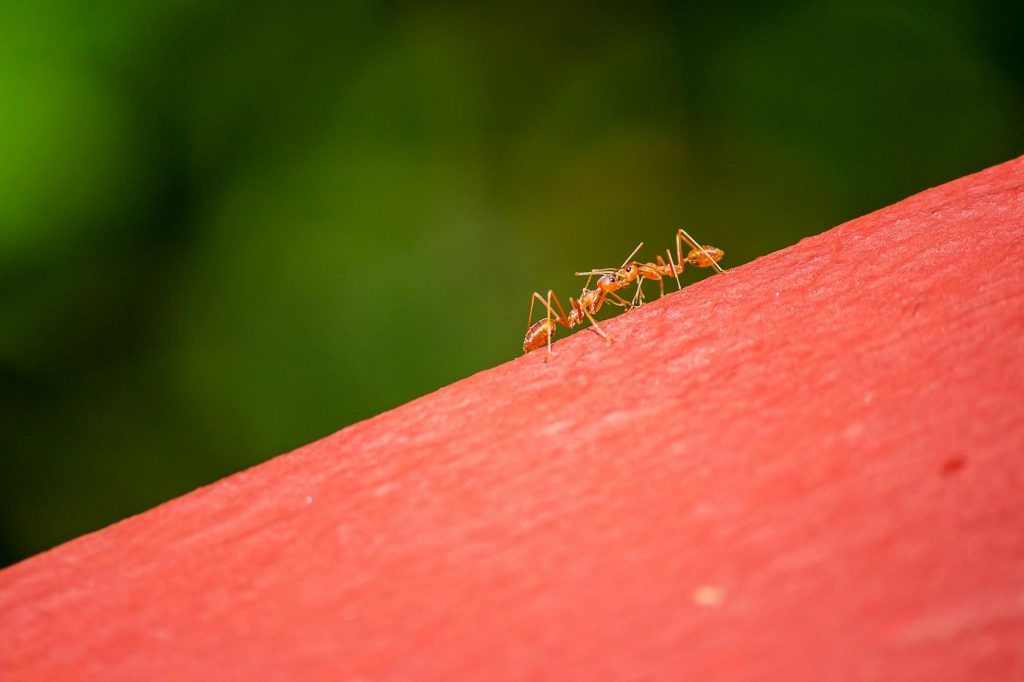
Ant infestations can create costly problems when early signs are missed. Learn why ants love bathrooms, what to look for, and when to call Sage Pest Control.
Key Takeaways About Why Ants Love Bathrooms
- Ants may enter your bathroom looking for moisture or a sheltered nesting site, making this room one of the more common spots to find them indoors.
- Spotting a few ants near drains or your bathroom sink can point to a larger colony nearby, and some species can nest inside wall voids or other hidden areas of your home.
- Reducing moisture, sealing gaps around plumbing, and addressing ant activity early can help you get rid of ants before they become harder to manage.
- When bathroom ants keep returning, a professional assessment can help locate nests and target the colony rather than just the visible foragers.
How to Identify Ants in Your Bathroom
Bathrooms offer exactly what ants are searching for: moisture and potential nesting sites. Ants can enter buildings looking for both, and once they find a reliable water source, they may build nests containing several thousand ants. Recognizing the signs early helps you understand what you’re dealing with and where to look next.
How to Tell Ant Types Apart
Ant nests are often hidden and not easily discovered, which makes identification tricky. Some species may maintain more than one nest within a structure. Carpenter ants, for example, sometimes establish satellite nests in indoor or outdoor sites apart from their main colony. According to Texas A&M AgriLife Extension, some species have satellite colonies separate from the main nest, so professional assistance may be important.
Parent carpenter ant colonies can set up satellite nests nearby. Workers from satellite nests move frequently between their nest and the parent colony. These satellite nests typically contain workers, pupae, and mature larvae. Knowing this helps explain why ant activity in your bathroom may persist even after you clear out the ants you can see.
How to Spot Ant Activity Inside Your Home
Watch out for foraging ants trailing along walls, floors, or near fixtures. These workers are scouting for moisture or carrying resources back to their nest. You can wipe up foraging ants with soapy water and a sponge to remove them before they return to the nest.
Careful observation of worker ants can help you locate a hidden nest. According to the University of Minnesota Extension, watching worker ants between sunset and midnight during the spring and summer months is often the best approach for tracking them back to their nesting location.
Where Ant Activity Shows Up Around Homes
Ant colonies are mobile and quickly move to new locations when disturbed. This means the trail you notice near your sink one week may shift to a different part of the bathroom or house the next. Because nests are often well concealed, pinpointing the exact location typically takes repeated observation rather than a single check.
Exterior Entry Points Ants Use
Ants enter buildings searching for nesting sites or moisture. Workers from satellite nests travel back and forth between indoor nests and outdoor parent colonies. This regular movement means you may notice ants appearing along exterior walls or gaps where plumbing enters your home, following the same paths their nestmates have already established.
Why Ant Problems Develop in Bathrooms
Carpenter ants in particular can enter buildings looking for moisture, and a bathroom with even minor water damage gives them a reason to stay. Understanding how these problems begin helps you address them before the colony grows.
Outdoor Nesting Areas for Ants
Carpenter ant colonies often start outdoors. Homes near wooded areas are particularly vulnerable to invasion. The colony may be nesting outside while workers enter your home to forage for food sources. A mature outdoor nest can hold several thousand ants, and your bathroom may simply be the closest entry point to the moisture they need.
Food and Shelter That Attract Ants
Carpenter ants do not eat wood. Instead, they excavate smooth galleries inside it to raise their young. Bathrooms with water-damaged wood around tubs, showers, or vanities provide ideal nesting material. According to Oregon State University Solve Pest Problems, carpenter ants’ food preferences are complicated, and they may not be attracted to typical ant-bait food sources. That means the moisture and softened wood in your bathroom can be the primary draw rather than any food left behind.
How Ants Move Around Homes
When carpenter ants are found inside a structure, the colony is either nesting within the building or foraging indoors from an outside nest. They can enter buildings in search of nesting sites or moisture. Once inside, nests containing several thousand ants can develop in wall voids or under flooring. Piles of coarse sawdust or splintered wood near baseboards or cabinets are a tell-tale sign of carpenter ant activity nearby.
Trails and Entry Points Ants Use
In many ant species, foragers create a pheromone trail that helps the rest of the colony find a source of food or water. These trails often follow plumbing lines and gaps around pipes, which are common entry points in bathrooms. Good building maintenance means you should seal entry points and address water damage to make these pathways less inviting. Spot treatments work best when applied at known entry points and along established foraging trails.
Risks From Ants in Bathrooms
Bathrooms give ants exactly what they want: steady moisture and hidden voids. That combination does more than create a nuisance. Depending on the species involved, these pests can threaten the structure of your home or even your comfort outdoors.
Health Risks Linked to Ants
Most bathroom-dwelling ants are more of a nuisance than a direct health concern, but fire ants are the exception. Red imported fire ants, which are not native to the United States, inflict a painful sting. They build mounds in sunny, disturbed areas like yards and playgrounds, so the same pests that forage near your home’s exterior can become a real problem close to entry points.
Property Damage From Ants
Carpenter ants are among the most damaging pests that show up in bathrooms. According to the Mississippi State University Extension, indoor carpenter ant infestations often point to some type of moisture problem from structural or plumbing leaks. Because bathrooms concentrate both water supply lines and drain connections, they create ideal conditions for these pests to settle in.
Once established, carpenter ants can nest inside wall voids, floor voids, fascia board, soffit voids, roofs, and even underneath shingles. Over time, the damage to wood framing around a bathroom can grow if the underlying moisture issue goes unaddressed.
Food Areas and Ant Activity
Bathrooms may not seem like food sources, but pests that nest in bathroom walls often forage into nearby kitchens and pantries. A carpenter ant nest hidden in a floor void can send foragers throughout your home. That means a bathroom moisture problem can quickly become a whole-house pest issue, connecting wet areas and food areas through shared wall and floor cavities.
When to Look Closer at Ant Activity
Seeing a handful of ants near a sink or tub drain deserves a closer look. Carpenter ants nesting indoors often signal a leak you may not have noticed yet. Pest control companies have the training to locate nests and address them without causing additional property damage, as Oregon State University Solve Pest Problems notes. If you spot large, dark ants in your bathroom regularly, it is worth investigating the moisture source behind the wall before the problem grows.
Professional Pest Control for Ants in Charlotte
Bathrooms give ants exactly what they need, so keeping them ant-free takes more than a quick wipe-down. A solid plan combines reducing what draws ants in, inspecting for hidden moisture issues, and treating the actual source of the problem. Here is how each step works.
How to Reduce Attractants for why ants love
Prevention starts with making your bathroom less inviting. Sealing off potential entry points is one of the most practical nonchemical measures you can take to help prevent an infestation. Look for gaps around pipes, baseboards, and where plumbing meets the wall. Caulking those openings removes easy access for foraging ants.
Addressing moisture is just as important. Fix dripping faucets, dry up standing water around the tub or shower, and run your exhaust fan to keep humidity down. When you remove the moisture that draws ants toward your bathroom in the first place, you make the space far less appealing to them.
Why Ant Control Starts With Inspection
Sealing entry points helps, but it does not solve an existing infestation. That is why inspection matters. According to the University of Minnesota Extension, pest management professionals may use a moisture meter to find areas prone to carpenter ants. Bathrooms are natural hot spots for that kind of reading because of the moisture around showers, sinks, and toilet bases.
A thorough inspection helps pinpoint where ants are coming from rather than just where you see them. Identifying moisture-prone zones guides the rest of the treatment process and reveals whether any wood in the area needs attention.
What to Expect During Professional Ant Treatment
According to the University of Minnesota Extension, the best way to control carpenter ants is to locate and destroy the nest, replace damaged or decayed wood, and address any moisture problems. That three-part approach targets the root cause of the infestation instead of just the visible ants trailing across your tile.
At Sage Pest Control, our service professionals focus on finding the nest and the conditions that support it. Same-day service is available, so you do not have to wait while ants keep showing up around your sink every morning. We cover 50-plus pest types, and ants are one of our core areas of focus.
What to Expect From an Ant Control Plan
A one-time treatment can knock back a visible infestation, but bathrooms tend to stay humid, which means ongoing attention makes a difference. Sage Pest Control offers a tri-annual program with product rotation designed to help prevent resistance over time. That recurring schedule keeps your bathroom and the rest of your home covered across seasons.
Between visits, you can keep doing your part by sealing entry points and staying on top of moisture. When both sides of the equation are working together, your bathroom becomes a much harder target for ants looking for their next water source.
Why Ants Love Bathrooms: Bottom Line
Bathrooms offer the two things ants need most: moisture and sheltered spaces. When plumbing leaks or lingering dampness go unchecked, ants can move indoors and establish nests that are tough to reach on your own. Fixing moisture issues, sealing gaps in exterior surfaces, and keeping an eye out for foraging ants are the best first steps you can take. If the problem persists, Sage Pest Control offers same-day service across Charlotte, Raleigh, Greensboro, and Virginia Beach, so reach out and let us take a closer look.
Frequently Asked Questions
Why Do Ants Keep Coming Back to My Bathroom?
Bathrooms often have ongoing moisture from showers, sinks, and plumbing connections. As long as that moisture source remains, ants may continue returning. Addressing leaks and improving ventilation can help make the space less inviting to them.
How Do I Know If Ants in My Bathroom Are Carpenter Ants?
Carpenter ants tend to be larger than most household ant species. A pest management professional can inspect for moisture-prone areas and help confirm which species you are dealing with, since treatment approaches can differ.
Can I Handle a Bathroom Ant Problem on My Own?
Minor activity may be managed by wiping up foraging ants and removing the moisture that drew them in. However, locating and addressing a hidden nest is often challenging, and professional assistance can make a real difference in those cases.
What Should I Fix First to Stop Attracting Ants?
Start with any plumbing or structural leaks, then seal gaps along exterior surfaces where ants may be entering. Replacing damaged or decayed wood and reducing standing moisture are key steps that make your bathroom far less appealing to ants over time.
