
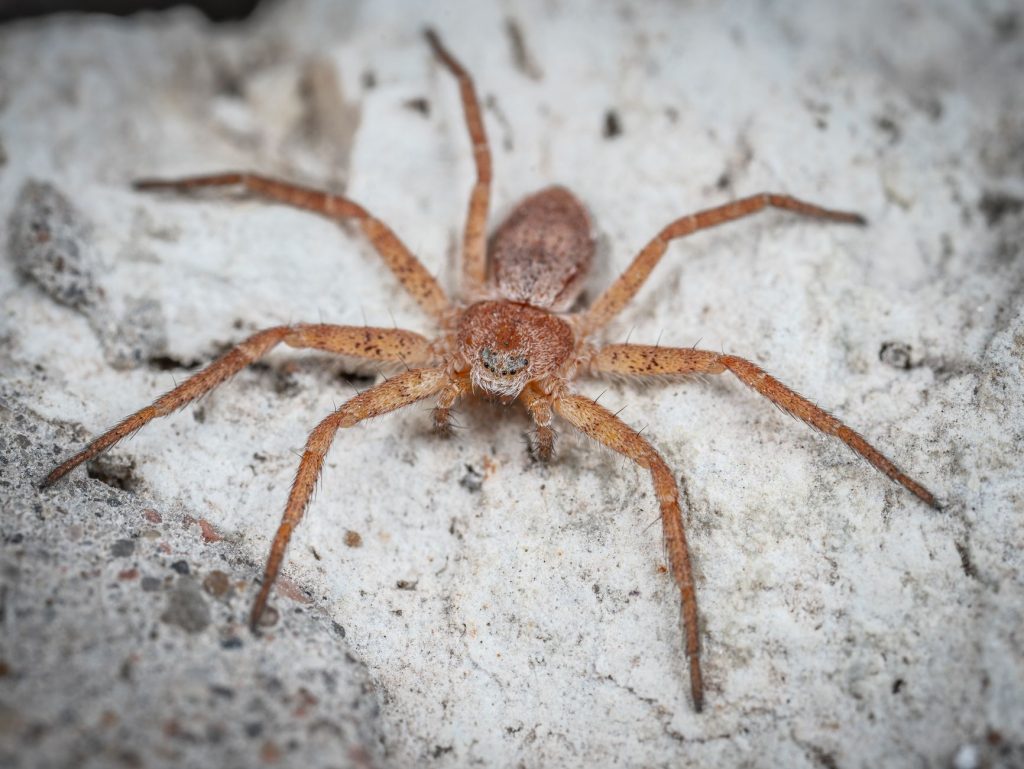
Brown Recluse in Virginia can cause costly problems when early signs are missed. Learn the signs, risks, and when to call Sage Pest Control.
Key Takeaways About Virginia Brown Recluse
- Brown recluse spiders can be difficult to identify without expert knowledge, and many spiders in Virginia are mislabeled as brown recluses.
- A brown recluse bite can be serious, and suspected bites deserve prompt medical attention rather than self-diagnosis.
- Reducing clutter and addressing dark, undisturbed storage areas in your home can help lower the chance of an unwanted encounter with recluse spiders.
- Professional pest control is often necessary for a brown recluse infestation, since managing these spiders typically requires a combination strategy.
How to Identify Virginia Brown Recluse
If you have spotted a spider in your Virginia home and suspect it could be a brown recluse, accurate identification matters. Many spiders are mistaken for this species, and knowing what to look for on the body can help you make a better initial assessment before getting professional confirmation.
How to Distinguish a Brown Recluse From Similar Spiders in Virginia
The brown recluse spider is the proper common name for only one species, Loxosceles reclusa. A mature brown recluse has a body about 3/8 inch long and 3/16 inch wide, with a leg span roughly the size of a half dollar. According to Purdue Extension, the overall color ranges from light tan to deep reddish brown, and the distinguishing mark is a darker contrasting brown fiddle-shaped area on the front half of the back.
That said, do not rely on the fiddle marking alone. Other spider species can carry similar markings, leading to frequent misidentification. Identifying Loxosceles spiders to species level actually requires a high-magnification microscope and the skills of an arachnologist.
Loxosceles species are virtually restricted to their known distributions but are often perceived to exist throughout the United States. A nationwide study from 2000 to 2005 offered to identify any spider that was considered to be a brown recluse, highlighting how common misidentification can be.
How to Spot Brown Recluse Activity Inside Your Virginia Home
Because the body of a brown recluse is small and its coloring is subtle, these spiders can be easy to overlook indoors. Look for the light tan to reddish brown body and uniform, slender legs without banding or spines. If a spider you find has obvious leg stripes or a body larger than about 3/8 inch, you may be looking at a different species entirely.
Keep in mind that other wandering spiders can be confused with brown recluses. As UF/IFAS Extension documents, other wandering spider species have been implicated in necrotic bites first attributed to brown recluses. Proper identification of the spider’s body features is the first step toward knowing what you are dealing with.
Where Brown Recluse Activity Shows Up Around Virginia Homes
Brown recluses tend to stay hidden in undisturbed areas. When they are present, you are more likely to notice them in spaces that do not see regular foot traffic or cleaning. Because the body is small and the coloring blends with cardboard and wood tones, a brown recluse can go unnoticed for a while.
Exterior Entry Points Brown Recluse Use Around Virginia Homes
Gaps and openings on the exterior of your home can give spiders a path inside. Sealing entry points is a practical step, though confirming the species is just as important. If you are unsure whether a spider you have found is a brown recluse, a trained service professional can help you identify the species and determine whether further steps are needed.
Why Brown Recluse Problems Develop in Virginia
Understanding why brown recluse spiders show up around Virginia homes starts with knowing what draws them in. These spiders prefer quiet, low-traffic spaces where they can hunt and hide without being disturbed. Once they settle into a comfortable spot, they can be difficult to notice until the population has grown.
Outdoor Nesting Areas for Brown Recluse Around Virginia Homes
Brown recluses favor dark, undisturbed areas where they can nest without interference. Around the outside of a home, this can include stacked storage items, seldom-moved yard equipment, or cluttered areas near foundations. The less foot traffic a spot gets, the more appealing it becomes for these spiders to settle in.
Food and Shelter That Attract Brown Recluse Around Virginia Homes
Closets, garages, and basements offer the sheltered environments brown recluses seek. These spaces tend to stay quiet for long stretches, giving the spiders room to establish themselves without being noticed.
Part of the challenge is that Replace with: ‘the male southern house spider, which is light brown, long-legged, and slender-bodied, is often mistaken for a brown recluse.’. Both species gravitate toward the same types of sheltered spots, which can make it harder to tell what you’re actually dealing with.
How Brown Recluse Move Around Virginia Homes
Once inside, brown recluses tend to stay in areas that match their preference for low light and minimal disturbance. According to Mississippi State University Extension, these spiders live in closets and other storage areas, and they can also be found around voids, cracks, crevices, and baseboards. They slip through a home undetected for weeks.
Common Indoor Pathways Brown Recluse Follow in Virginia Homes
Cracks, crevices, and gaps along baseboards create natural pathways for brown recluses to travel through your home. Voids in walls and spaces behind stored items give them covered routes between rooms. Keeping these gaps sealed and storage areas tidy reduces the hiding spots they rely on.
Risks From Virginia Brown Recluse
Health Risks Linked to Virginia Brown Recluse
The brown recluse is a venomous spider whose bite can cause serious effects. According to Purdue Extension, the bite is especially dangerous to children, the elderly, and those in poor physical condition. That said, fatalities from brown recluse bites are rare.
Not every bite delivers the same outcome. Two key variables shape how a bite affects you. The first is the amount of venom injected. Like some venomous snakes, spiders can sometimes give “dry” bites with little or no venom. The second variable is the sensitivity of the person bitten.
Brown recluse spiders usually bite only when trapped against your skin. According to UF/IFAS Extension, bites occur when sleeping people roll onto the spider or when someone puts on clothes the spider has crawled into. The bite may go unnoticed at first, but the venom causes localized tissue death that can spread from the bite point over hours or days.
Property Damage From Brown Recluse in Virginia
Brown recluse spiders do not cause structural or property damage. Their concern is entirely health-related. However, their presence in your home can create ongoing stress, especially when they settle into undisturbed spaces where encounters become more likely over time.
Food Areas and Brown Recluse Activity in Virginia Homes
Brown recluse spiders are not drawn to food sources the way some household pests are. They are not a food-contamination risk. Still, any room with quiet, undisturbed areas can harbor these spiders, including storage spaces near kitchens or pantries where items sit untouched for long stretches.
When to Look Closer at Brown Recluse Activity in Virginia
If you are finding brown recluse spiders in clothing, bedding, or storage areas around your Virginia home, that activity is worth investigating. Compared to related recluse species, the brown recluse falls in a middle range for venom potency, so bites still warrant attention even though most are not life-threatening.
If you suspect a bite, seek prompt medical attention. Although no specific antidote is available, early treatment can help prevent severe reactions and lessen long-range effects.
Professional Pest Control for Brown Recluse in Virginia
Brown recluse spiders can be tricky to manage on your own. They build irregular webs in cracks and crevices in undisturbed areas, and some homes can harbor heavy infestations. According to Texas A&M AgriLife Extension, the best solution to a household infestation is to hire a professional pest control company. A combination approach is typically required.
How to Reduce Attractants for Brown Recluse in Virginia
One of the most practical steps you can take is reducing what draws brown recluses indoors. According to Mississippi State University Extension, indoor spiders such as brown recluses prey on insects that get inside, so anything you do to exclude insects will also help reduce spider populations. Sealing gaps around doors and windows limits the insects brown recluses feed on.
Stored items can also create hiding spots. Boxes of old books, for example, may contain brown recluse spiders. Clearing out cluttered storage areas removes the undisturbed spaces where these spiders tend to settle.
Why Brown Recluse Control in Virginia Starts With Inspection
Brown recluses may live outside, but they are common in homes, where they favor undisturbed spaces. A thorough inspection helps a pest control professional locate the irregular webs these spiders build in out-of-the-way spots. Identifying the spider correctly matters, too. Most spiders have eight eyes, but brown recluses have only six, grouped into three pairs.
Without a careful inspection, it is easy to confuse a brown recluse with a less concerning species. Proper identification guides the right control plan for your Virginia home.
What to Expect During Professional Brown Recluse Treatment in Virginia
Brown recluse infestations can be difficult to manage, so professional pest control typically relies on a combination approach rather than a single treatment. Service professionals focus on the cracks, crevices, and undisturbed areas where brown recluses build their webs. Sage Pest Control uses EPA-standard, low-impact products and rotates them to help prevent resistance.
If you suspect a bite, seek immediate medical attention. When possible, capture the spider so a medical provider or pest control professional can confirm the species.
Ongoing Brown Recluse Prevention in Virginia
A solid control plan addresses both the current spider population and the conditions that attracted them. That means ongoing insect exclusion, decluttering storage areas, and scheduled service visits. Sage Pest Control offers tri-annual programs designed to maintain control over time, with same-day service when you need a faster response.
Because brown recluses thrive in undisturbed areas, consistent monitoring is a key part of any long-term plan. Your pest control professional can check known trouble spots during each visit and adjust the approach as needed to keep your Virginia home protected.
Bottom Line on Brown Recluse in Virginia
Brown recluse spiders can be tricky to identify and tend to stay hidden in undisturbed areas of a home. If you suspect an infestation, a professional pest control company is often the best route, since managing these spiders typically requires a combination approach. If you think you’ve been bitten, seek medical attention promptly. For Virginia Beach homeowners looking for help, Sage Pest Control offers same-day service and can assess your situation quickly.
Frequently Asked Questions About Brown Recluse in Virginia
How Can I Tell If a Spider in My Home Is a Brown Recluse?
Brown recluse spiders have six eyes arranged in three pairs, unlike most spiders that have eight. They are sometimes called “fiddle-back” spiders because of a dark violin-shaped marking on the cephalothorax. However, eye arrangement is generally a more reliable feature than the marking alone.
Where Do Brown Recluse Spiders Hide Indoors?
These spiders prefer dark, undisturbed storage areas. They may build irregular webs in cracks and crevices throughout a home. Closets, boxes, and similar spaces are worth checking.
What Should I Do If I Think I’ve Been Bitten?
A brown recluse bite may not cause immediate pain and can go unnoticed at first. Because early treatment can lessen the effects, seek immediate medical attention if you suspect a bite.
Should I Hire a Professional for Brown Recluse Control?
Infestations can be difficult to manage on your own. A professional pest control company can use a combination approach, treating voids, cracks, and crevices where these spiders nest. This is generally considered the best solution for a household infestation.
