
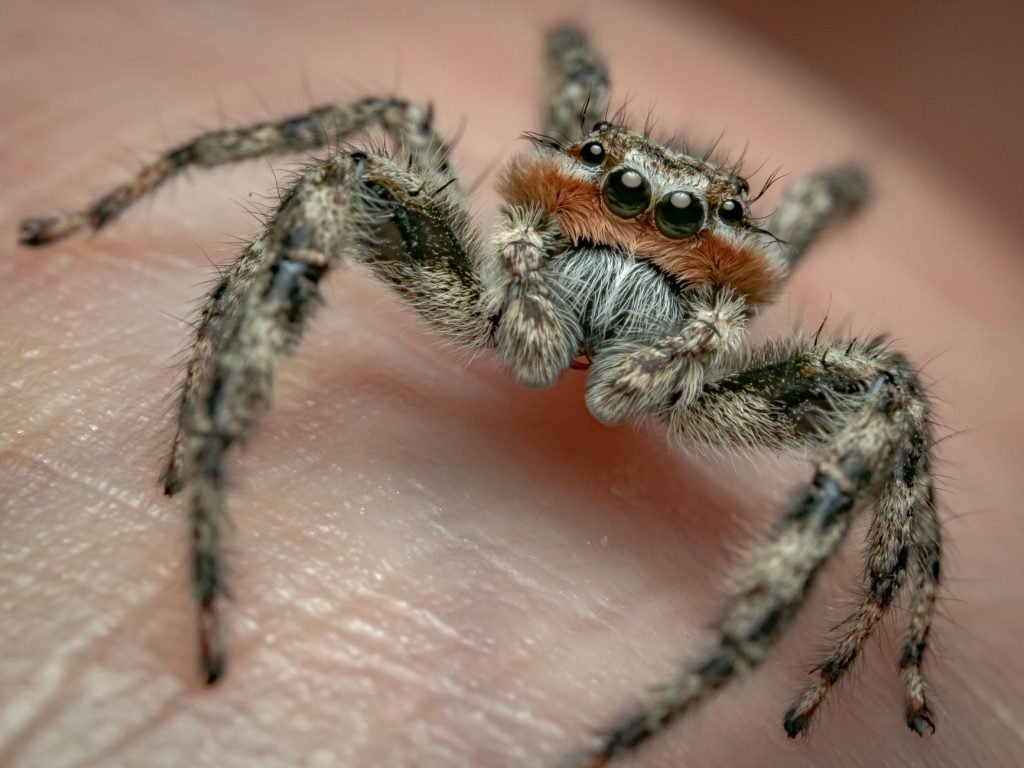
Symptoms Of A Spider Bite can cause costly problems when early signs are missed. Learn the signs, risks, and when to call Sage Pest Control.
Key Takeaways About Spider Bite Symptoms
- Spider bite symptoms can include pain, swelling, and blisters that may develop hours after the bite occurs, so a reaction is not always immediate.
- Most spider bites are minor, but bites from species like the brown recluse or black widow can produce more serious symptoms that may need medical attention.
- The amount of venom a spider injects can vary, and some bites deliver little or no venom at all, meaning reactions differ from person to person.
- Reducing clutter and debris around your home can help limit spider activity and lower the chance of an unexpected bite.
How to Identify a Spider Bite by Its Symptoms
Most spiders can bite, but the vast majority of those bites pose little concern. According to Mississippi State University Extension, only a few species, including the black widow, the brown widow, and the brown recluse, are seriously venomous to humans. Understanding the difference between a routine bite and one that needs medical attention can help you respond with the right level of urgency.
How to Tell Different Spider Species Apart
Spider bite symptoms generally follow one of two paths: necrotic or systemic. With a necrotic reaction, the venom stays localized in the tissue. A systemic reaction involves venom spreading through the body, and systemic effects usually take two to three days to show symptoms. Bites that become systemic usually do not also become necrotic, as noted by UF/IFAS Extension.
For a Loxosceles (brown recluse) wound, the necrotic timeline is more defined. By 12 to 24 hours, a wound headed toward necrosis usually turns purple in color. According to UF/IFAS Extension, if necrotic symptoms do not express by 48 to 96 hours, then they will not develop. If the skin does turn purple, it will then turn black as cells die.
How to Spot Spider Activity Inside Your Home
Because bite reactions can take hours or even days to fully develop, many people are unsure when the bite happened or which spider was responsible. If you notice a bite mark that begins changing color within the first 24 hours, particularly turning purple, that progression may point to a more serious wound worth having a medical professional review.
A bite that does not change color or worsen within the first 48 to 96 hours is less likely to develop necrotic symptoms. Keeping an eye on the timeline gives you a practical way to gauge whether a wound needs attention.
Where Spider Activity Shows Up Around Homes
Spiders that are seriously venomous to humans tend to favor undisturbed areas. Geography also matters. The brown recluse and the hobo spider, for example, do not live in California. Species distribution varies by region, so knowing which spiders are present near your home helps you assess risk with more precision.
Exterior Entry Points Spiders Use
Spiders enter homes through gaps and openings around the exterior. Reducing clutter and sealing entry points can help lower the chance of encountering a spider indoors. If you keep noticing spiders inside your home, a professional review of your property can help identify where they are getting in and which species you are dealing with.
Why Spider Bite Problems Develop
Most spider bite symptoms trace back to where spiders live and how they end up near people. Understanding what draws spiders close to your home helps you make sense of why bites happen and whether the symptoms you notice call for a closer look or a calmer response.
Outdoor Nesting Areas for Spiders
Spiders settle where they can find shelter and prey. Outdoor debris piles are a common habitat, especially for black widow spiders. According to Kansas State University Extension, keeping debris from piling up outdoors is a key part of managing black widow habitat around your home. Stacked firewood, leaf litter, and stored materials all create the kind of undisturbed spaces spiders prefer.
Food and Shelter That Attract Spiders
Spiders follow their food supply. Where insects gather, spiders move in. Black widows are less common indoors than brown recluse spiders, though control measures for both overlap. When outdoor shelter and prey are abundant near your foundation, spiders may settle close enough to come into contact with you.
Bites from most spiders produce symptoms that range from not noticeable to a small, short-lived pinprick to localized pain and swelling similar to a wasp or bee sting. These reactions typically develop because a spider was disturbed in a spot where it had already taken up residence.
How Spiders Move Around Homes
Misidentification plays a role in how people perceive bite symptoms. The male Southern house spider, for example, has eight eyes in a single aggregation, while the brown recluse has six eyes arranged in three distinct pairs. Homeowners sometimes mistake a Southern house spider for a brown recluse, which can change how they interpret a minor reaction on the skin.
Brown recluse spiders are uncommon in many parts of the Southeast. As the University of Georgia pest guide notes, the brown recluse is rare in Georgia and known only in the northwest part of the state, where it remains uncommon. That regional rarity means many suspected brown recluse bites may actually come from less concerning species.
Trails and Entry Points Spiders Use
Spiders typically enter homes through gaps near ground level, drawn by sheltered spaces that mimic outdoor debris habitat. Once inside, they tend to stay in undisturbed areas. Most bite symptoms develop when a person reaches into a spot a spider has already claimed, not because the spider moved toward them.
Health and Property Risks From Spider Bites
Health Risks Linked to Spider Bites
Many suspected spider bites are not actually spider bites at all. According to the University of Minnesota Extension, most people and even medical professionals over-diagnose a “potential spider bite” based on symptoms such as redness, swelling, cramps, severe pain, or necrotic lesions. These symptoms are usually caused by other factors, including bacterial skin infections and underlying medical conditions.
When a spider does bite, most species carry only mild venom. As UC IPM notes, bites may cause symptoms similar to a yellowjacket wasp sting: initial burning pain followed by minor localized swelling around the bite site. That reaction, while uncomfortable, typically stays contained to a small area.
The real health risk often comes from misidentifying a separate condition as a spider bite. When you assume a skin wound is from a spider, you may delay getting the right care for the actual cause, whether that is an infection or another medical issue.
Property Damage From Spiders
Spider bites themselves do not cause property damage. However, the spiders behind them can leave their mark on your home in other ways. Joro spider egg sacs, for example, contain hundreds of eggs and are deposited on leaves, walls, tree bark, and nearby structures. Over time, webs and egg sacs can accumulate on siding, eaves, and outdoor fixtures, creating a nuisance that takes regular attention to manage.
Spider Activity Near Food Preparation Areas
Spiders are not attracted to your food the way ants or roaches might be. Still, spiders follow the insects that are attracted to food prep areas. If you notice spiders near kitchens, pantries, or dining spaces, their presence may point to an underlying pest population drawing them in. Addressing what attracts their prey can reduce how often spiders settle in those spots.
When to Take a Closer Look at Spider Activity
Because so many skin reactions are mistakenly blamed on spiders, it is worth pausing before assuming any red or swollen mark came from a bite. If you did not see the spider bite you, the symptom may have a completely different origin. Consulting a medical provider can help rule out bacterial infections or other conditions that share those same symptoms.
If you are finding spiders regularly around your home, that pattern is worth looking into. Recurring sightings, webs on walls and eaves, or egg sacs near your home’s exterior can all signal that spider activity is building rather than passing through.
Professional Pest Control for Spider Bites
Most spider bite symptoms stay mild, and many spiders coexist with people without incident. But when a bite does cause pain, swelling, or skin changes, it can be hard to tell whether you are dealing with a routine reaction or something that needs attention. Understanding what draws spiders indoors and how a professional inspection works can help you stay ahead of the problem rather than reacting after a bite happens.
How to Reduce Attractants for Spiders
Spiders follow their food sources. If your home harbors other insects, spiders are more likely to move in and settle into quiet, undisturbed spaces. Reducing general pest activity around your home is one of the most practical steps you can take to lower your chances of encountering spiders such as the brown recluse, black widow, or hobo spider.
Sage Pest Control’s tri-annual program uses product rotation to prevent resistance in the insects that attract spiders in the first place. Fewer prey insects mean fewer reasons for spiders to stick around. Keeping clutter to a minimum in storage areas also removes the kind of sheltered spots spiders prefer.
Why Spider Control Starts With an Inspection
Brown recluse spiders often coexist with humans without incident, but bites can be serious, potentially causing pain, secondary infections, or disfiguring skin ulcers. Rarely, life-threatening complications may occur. An inspection that covers entry points, harborage areas, and species identification helps determine whether a medically notable spider is present before anyone gets bitten.
According to UF/IFAS Extension, spider bites cause clean infarctions in the skin, and if an inflammatory core lesion exists, a necrotizing infection should be anticipated rather than a spider bite. A professional inspection can help separate an actual spider concern from other issues.
What to Expect During Professional Spider Treatment
Sage Pest Control offers same-day service, which matters when you have spotted a spider you cannot identify or are already dealing with bite symptoms. Service professionals assess your home, locate harborage areas, and apply GreenPro-certified, EPA-standard treatments using environmentally friendly, low-impact products.
Venom from certain spiders can cause reactions ranging from mild to serious, though death is unlikely, and many symptoms can be alleviated with medical treatment. A professional treatment plan focuses on reducing the spider population in your home so you are less likely to encounter a bite scenario in the first place.
What to Expect From a Spider Control Plan
Sage Pest Control covers 50-plus pest types, and spiders are part of that scope. A control plan typically includes recurring visits on a tri-annual schedule, with product rotation built in so that target pests do not develop resistance over time.
For most brown recluse bites that do not develop severe symptoms, according to UC IPM, the recommended first aid is RICE therapy: rest, ice, compression, and elevation. A control plan works alongside those basic first-aid steps by addressing the root cause, which is spider activity in your living space, rather than just reacting to individual bites after they happen.
With 2,500-plus five-star reviews and a family-owned approach, Sage pairs lasting treatments with the kind of follow-through that keeps your home less inviting to spiders season after season.
Bottom Line on Recognizing Spider Bite Symptoms
Most spider bites produce mild reactions that resolve on their own, ranging from barely noticeable marks to localized pain and swelling. Knowing what to watch for helps you decide whether a bite needs medical attention or simply time. If you notice spiders becoming a regular presence in your home, Sage Pest Control offers same-day service to help you address the problem before bites become a recurring concern.
Frequently Asked Questions
How can I tell if a bite is from a spider or something else?
Spider bites are often blamed for skin lesions that have other causes. A bite from a common house spider may feel like a brief pinprick and leave a small red mark. If a wound shows signs of spreading inflammation or infection, it is worth having a medical professional evaluate it rather than assuming a spider is responsible.
When should I see a doctor after a suspected bite?
Seek medical advice if pain or swelling worsens over several hours, if blistering develops around the bite area, or if you experience symptoms beyond the bite site. Early evaluation gives a healthcare provider the best opportunity to recommend appropriate care.
Are most spider bites dangerous?
The vast majority are not. Bites from most common spiders produce symptoms similar to a bee or wasp sting, with short-lived discomfort and minor swelling. Only a small number of species in the U.S. can cause more serious reactions, and even those bites vary in severity from person to person.
Should I call a pest control company for spiders in my home?
A few spiders here and there are normal. However, if you are seeing spiders frequently or suspect a species that concerns you, a professional assessment can help identify what you are dealing with and reduce the population in your living spaces. Sage Pest Control covers 50+ pest types and can typically respond the same day you reach out.
